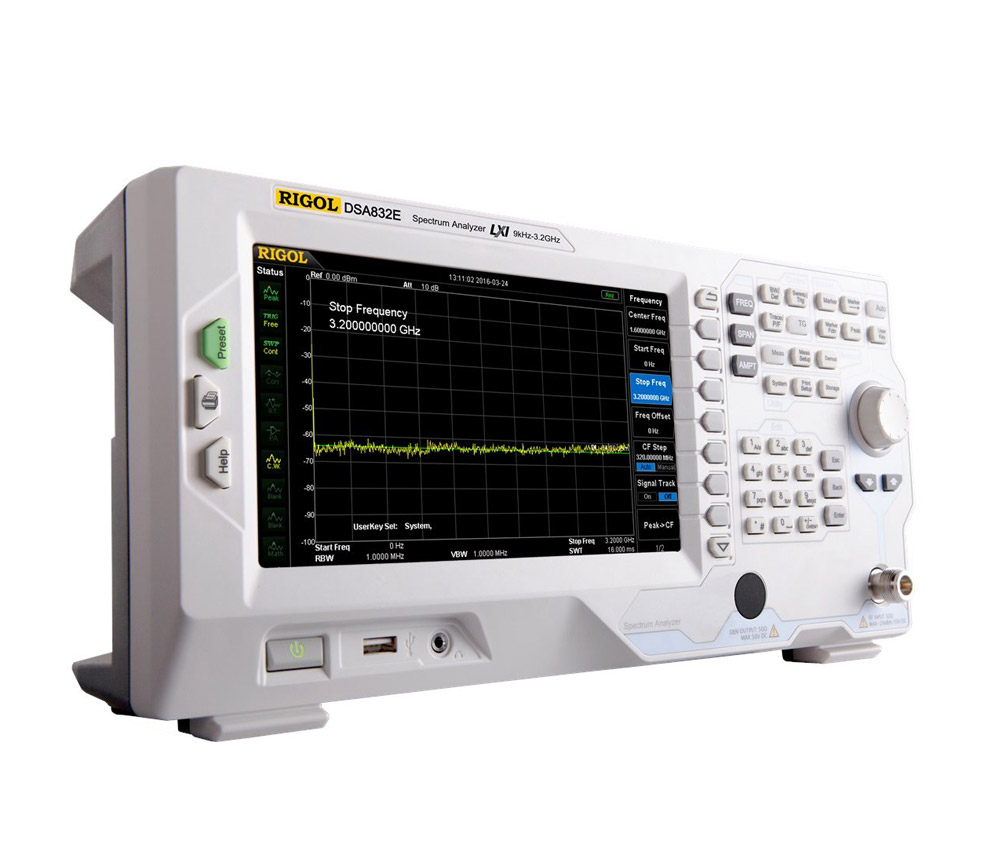
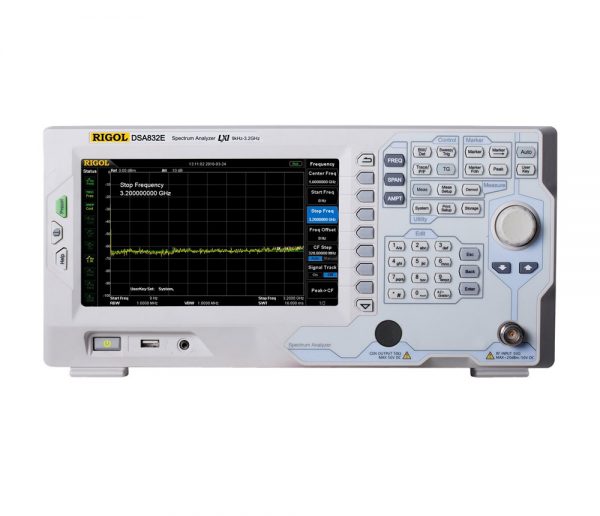
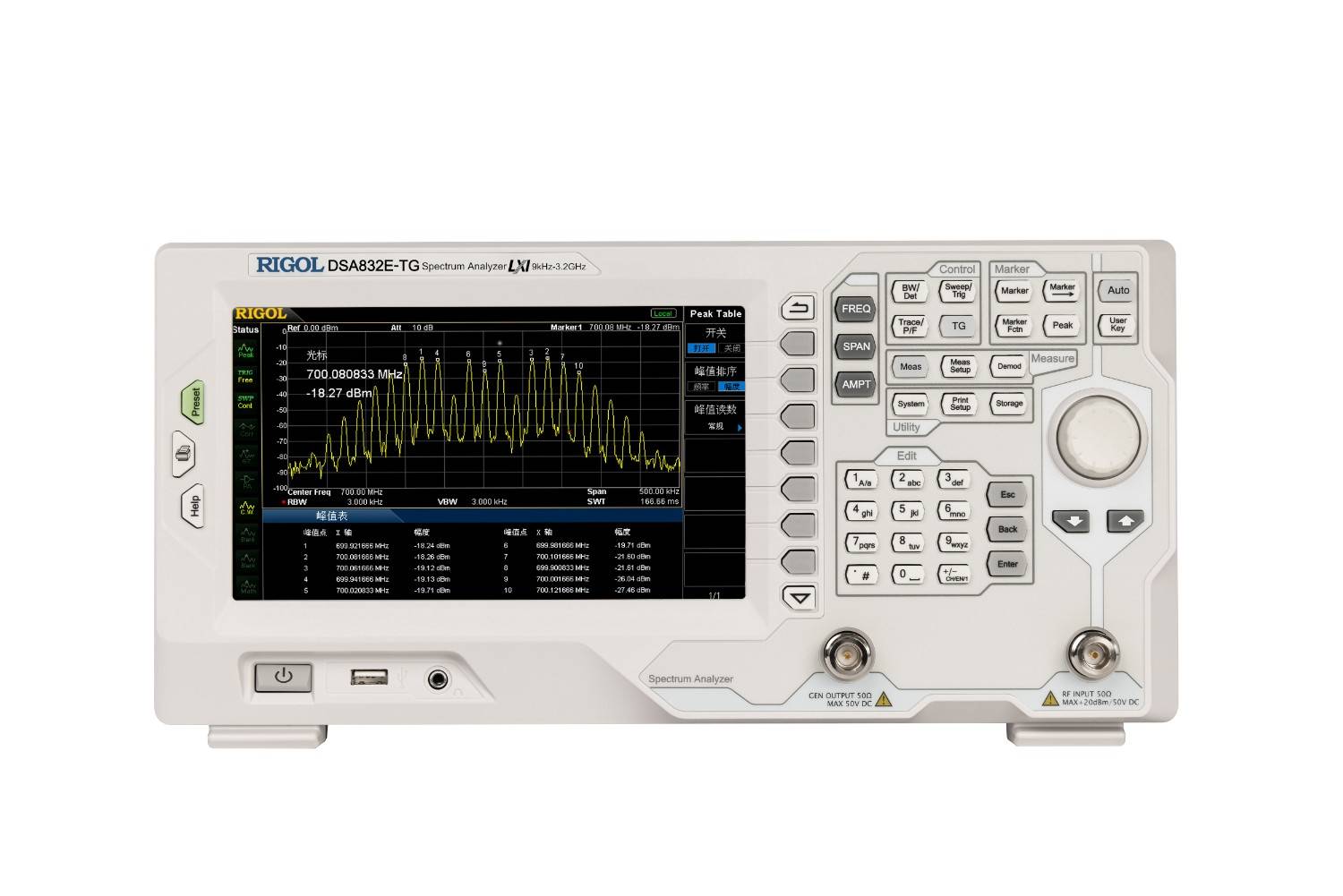
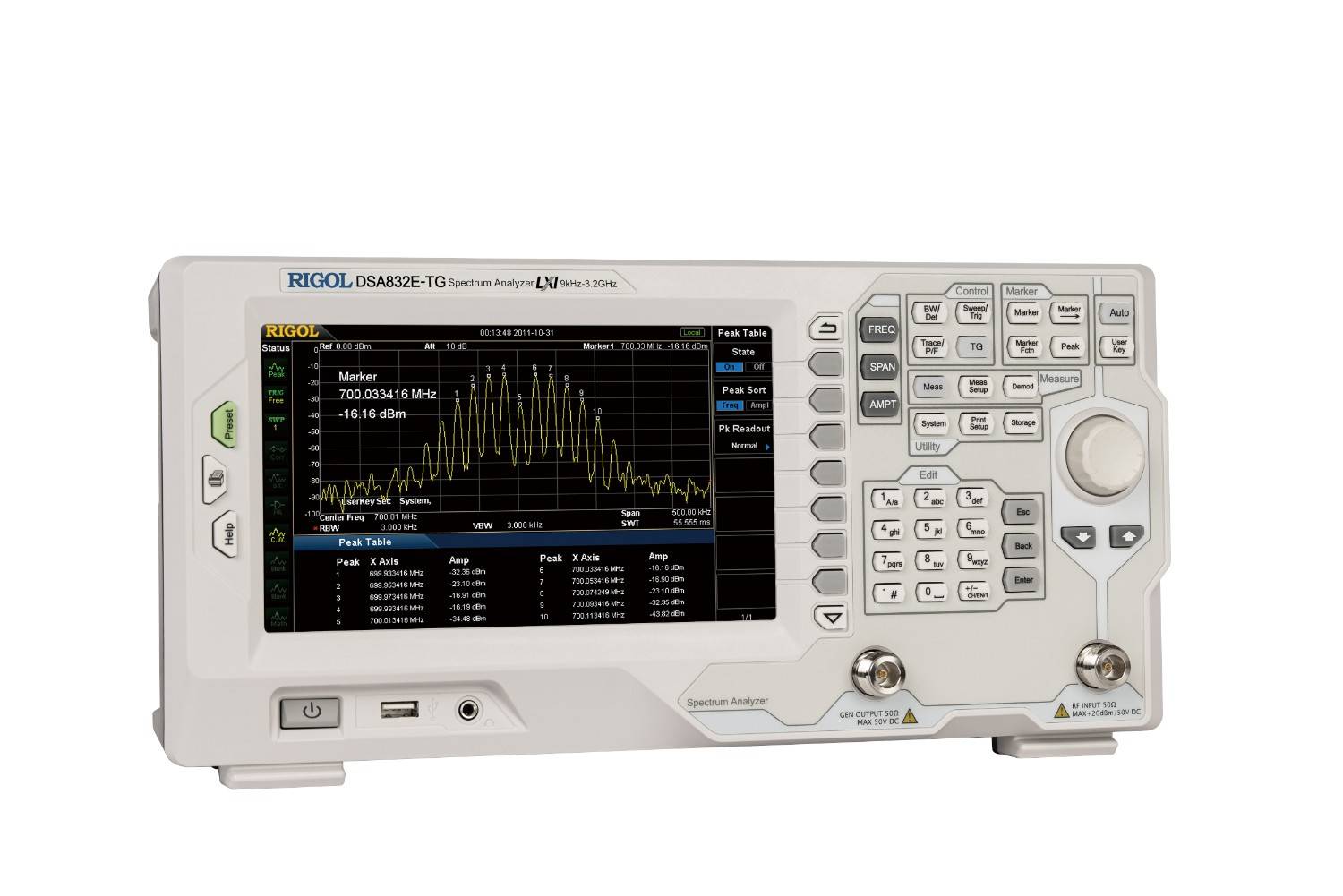
Spectrum Analyzers: Essential Tools for RF and Signal Frequency Analysis
Welcome to Revinetech's comprehensive category for Spectrum...
Spectrum Analyzers: Essential Tools for RF and Signal Frequency Analysis
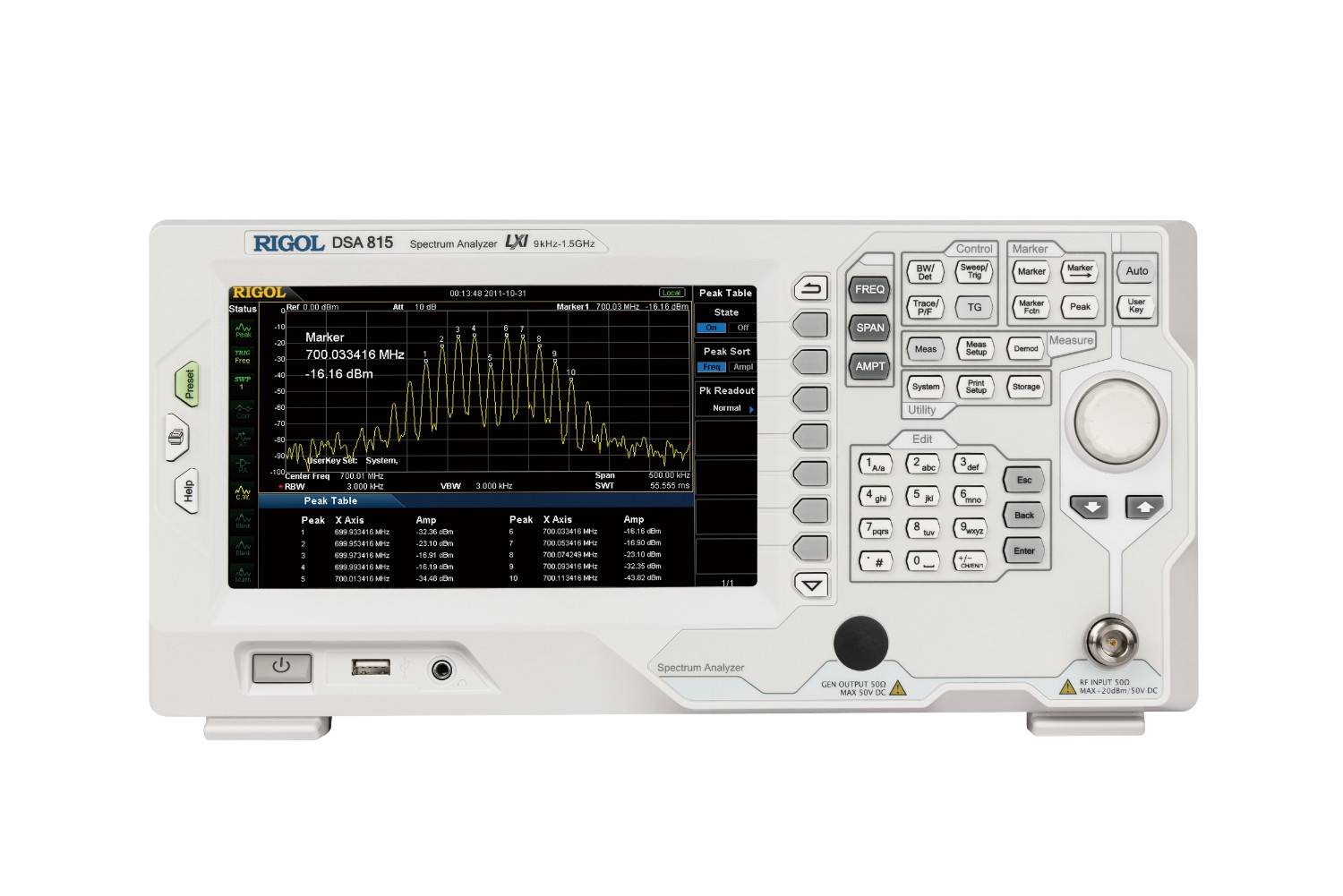
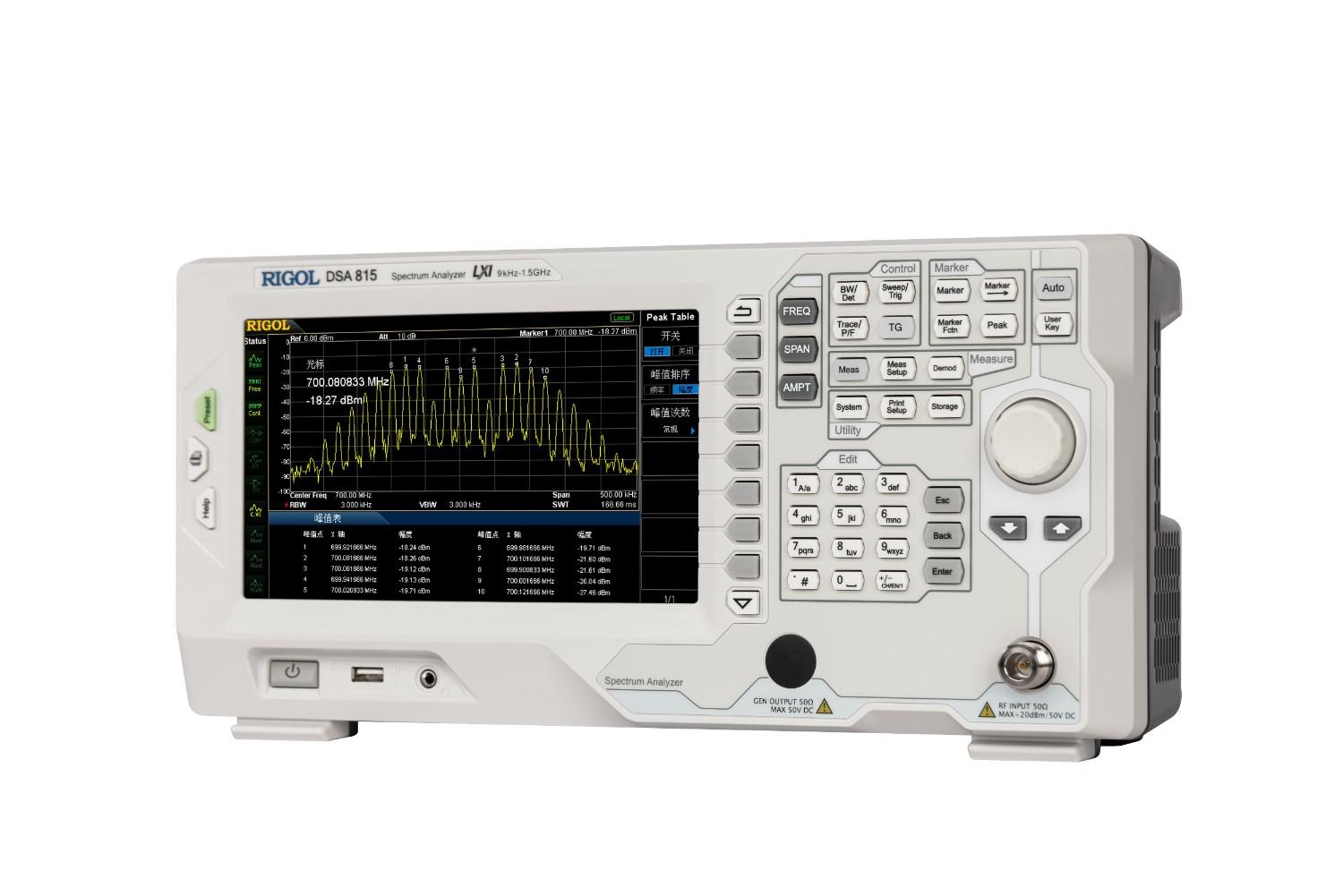
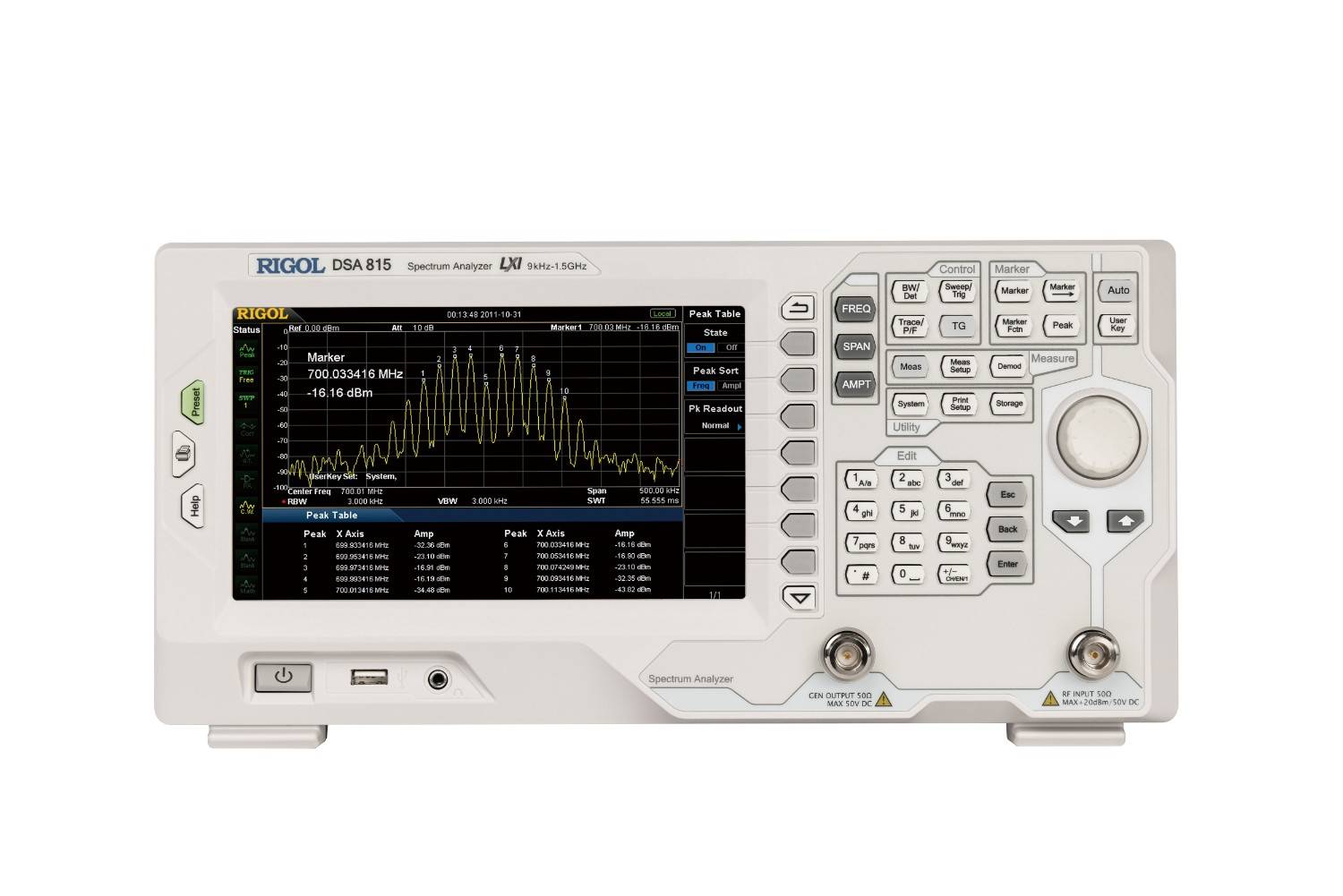
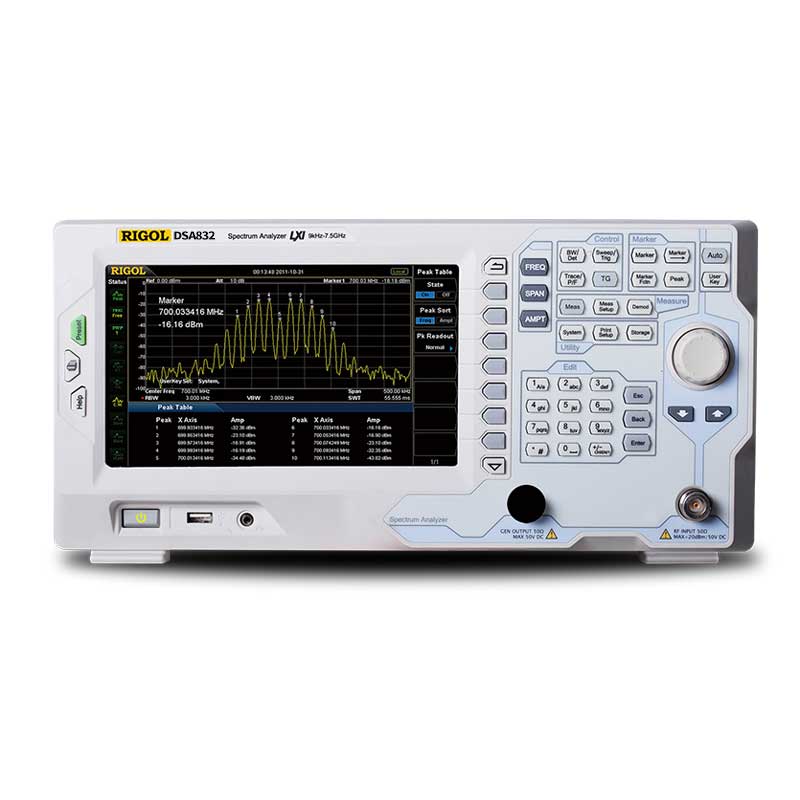
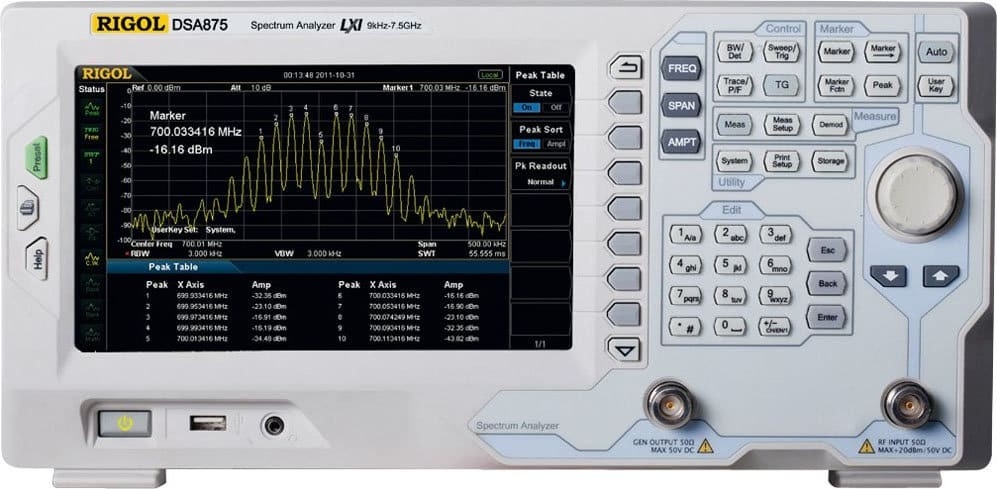
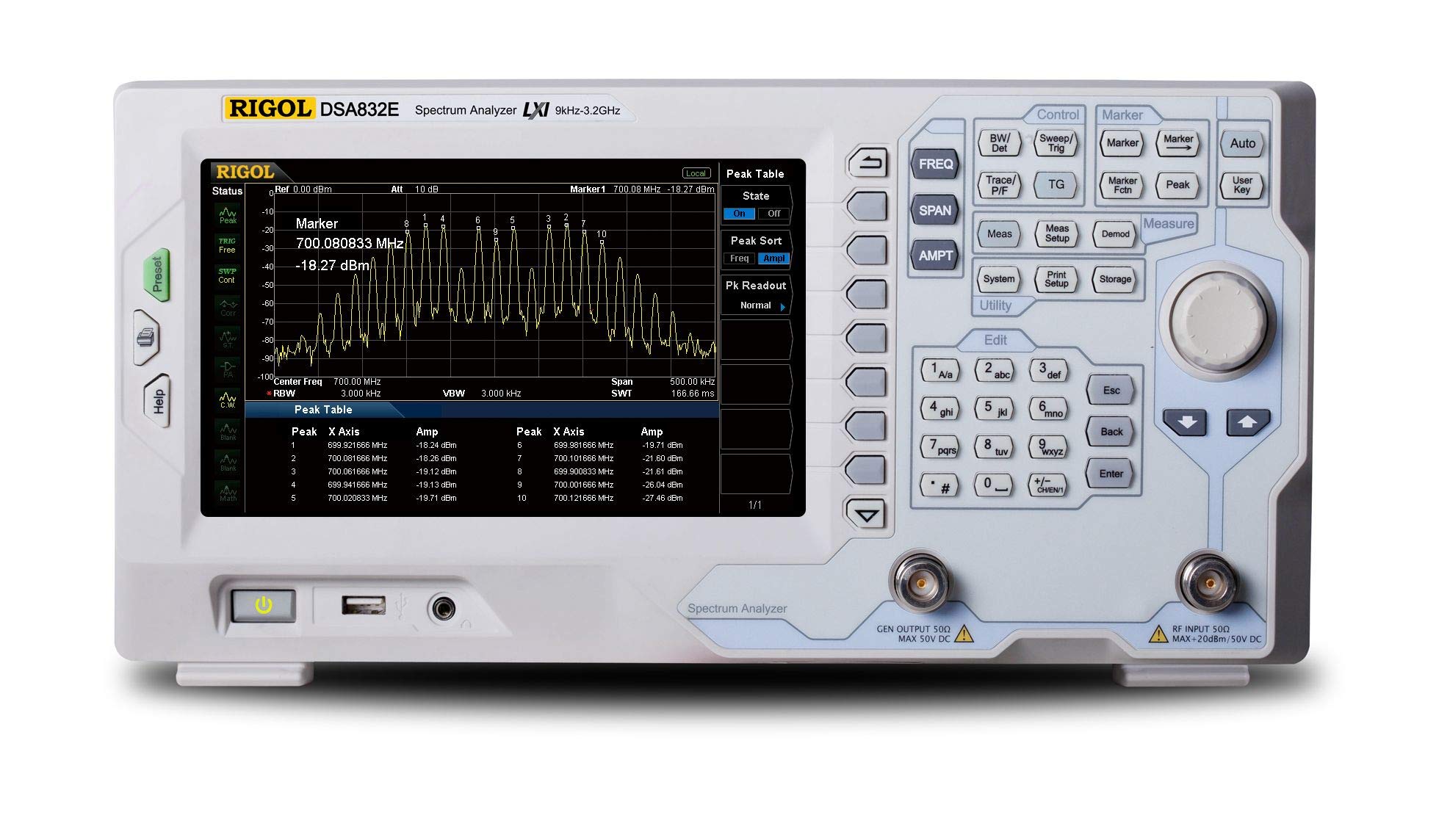
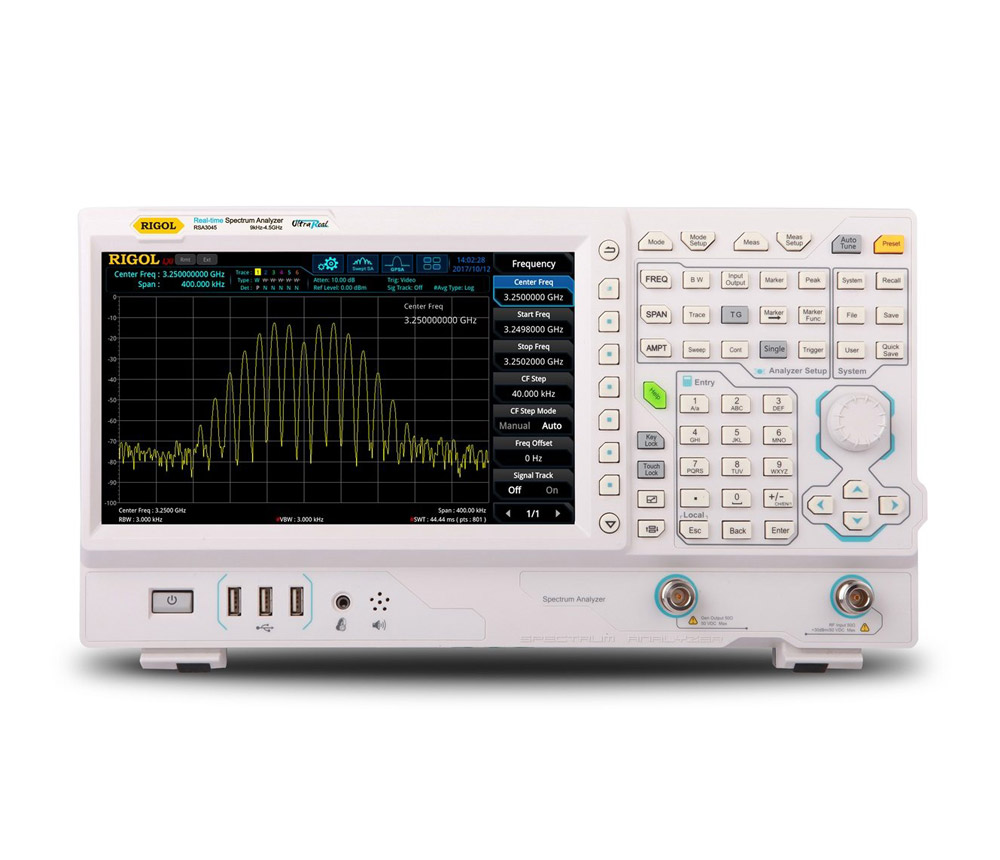
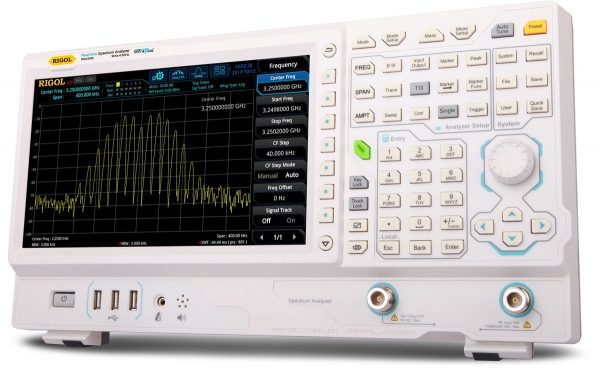
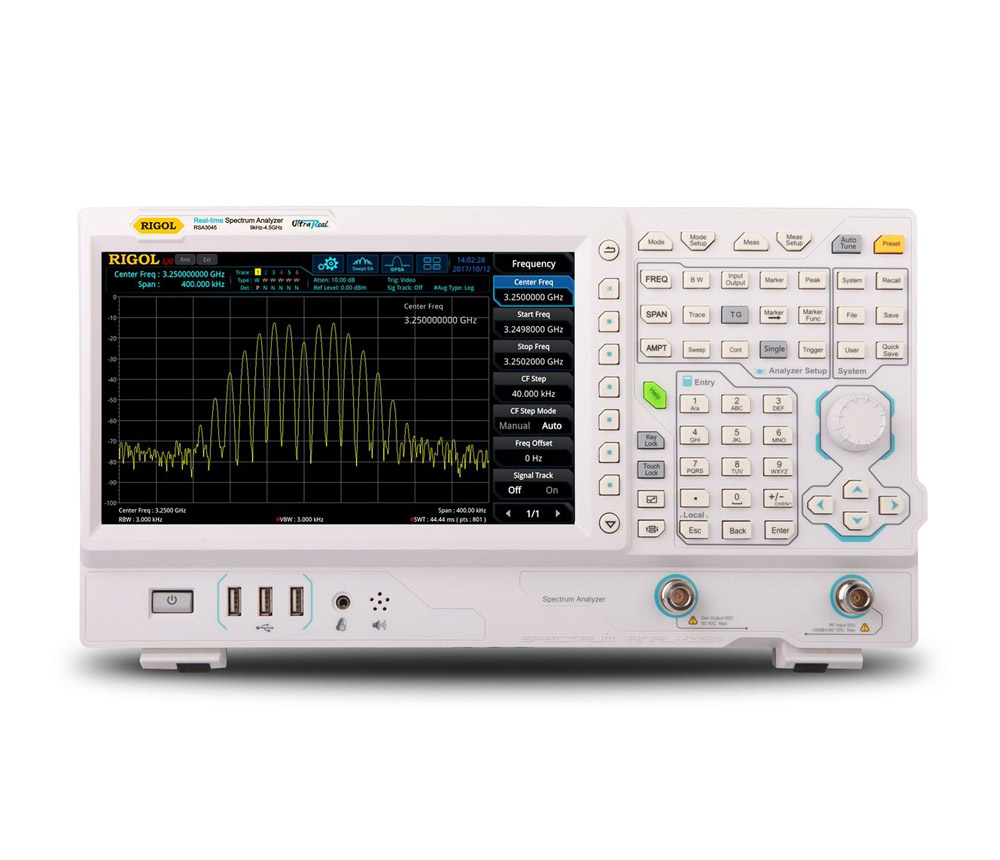
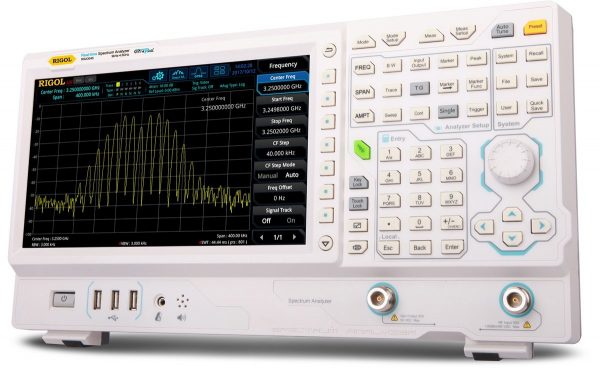
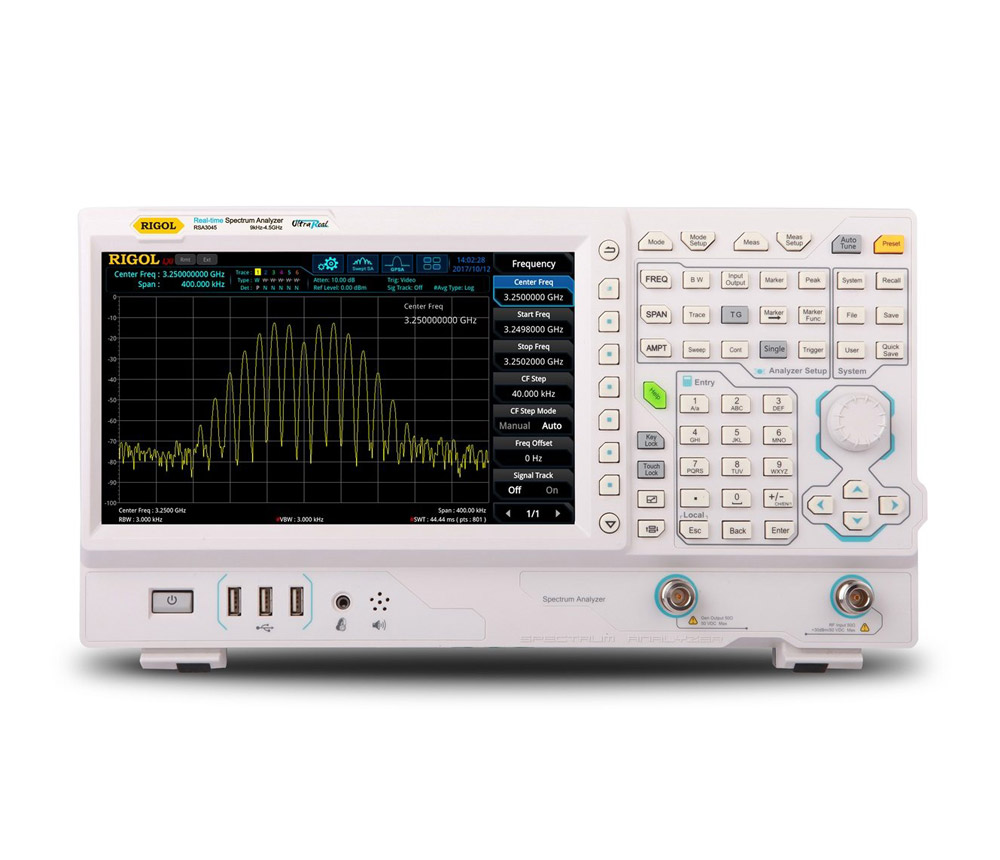
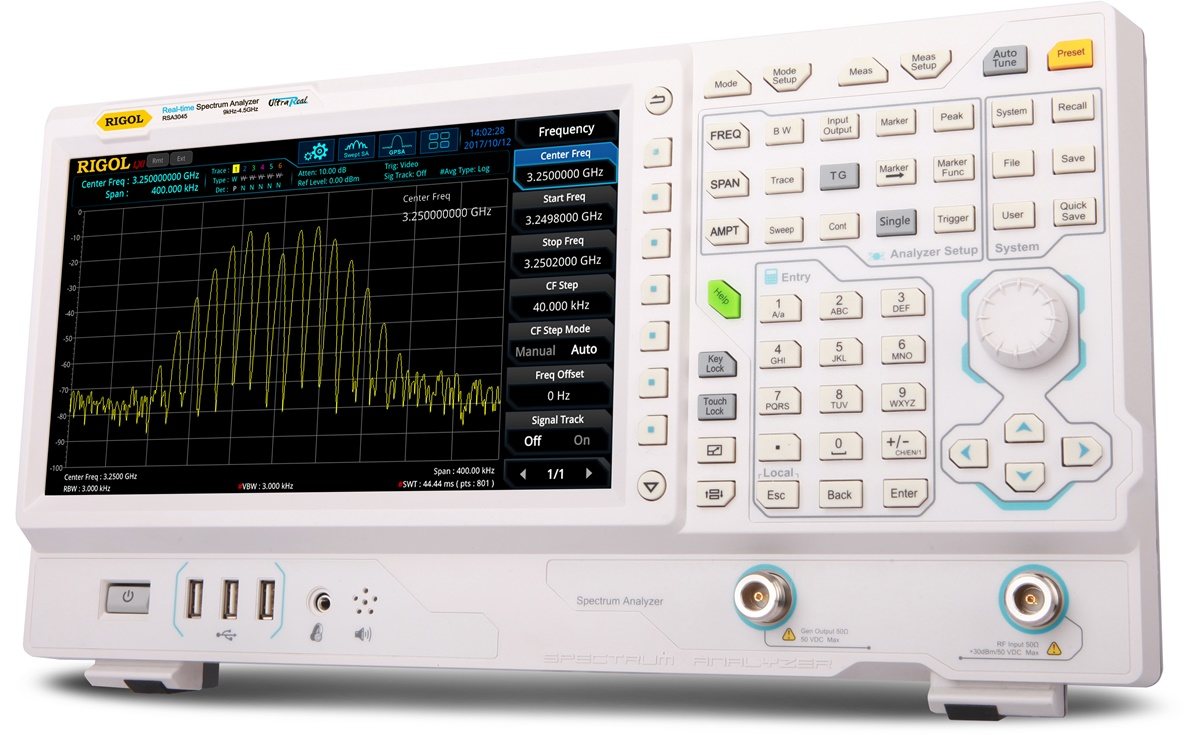
Welcome to Revinetech's comprehensive category for Spectrum Analyzers. In the modern landscape of wireless communications, signal integrity, and electromagnetic compatibility (EMC) testing, a precision spectrum analyzer is absolutely essential. These instruments transform complex, time-domain signals into the frequency domain, allowing engineers to visualize spectral components, measure signal strength, and identify unwanted interference or noise.
You are here seeking a reliable, high-performance instrument to accurately measure frequency, power, and spectral purity. Our selection includes Real-Time Spectrum Analyzers (RTSA), Signal Analyzers, and traditional swept-tuned models from world-leading manufacturers. We offer tools suitable for every environment, from field operations and benchtop debugging to high-volume manufacturing and advanced R&D. Trust Revinetech to provide the right spectrum analyzer to ensure your designs are clean, compliant, and optimized for performance.
Why a Spectrum Analyzer is Crucial for Modern Engineering
A spectrum analyzer is the window into the frequency world, providing detailed insights that are invisible using a standard oscilloscope. In complex electronic systems, the frequency domain view is vital for diagnosing common problems and ensuring regulatory compliance.
Diagnosing Signal Integrity and Noise
Modern digital and wireless circuits generate complex signals and often suffer from interference. A spectrum analyzer allows engineers to:
-
Measure Harmonic Content: Quantify the amplitude of unwanted harmonics generated by non-linear circuits.
-
Analyze Phase Noise: Critical for characterizing the spectral purity of local oscillators and signal sources.
-
Locate Interference: Easily identify and measure external or internal interfering signals that could degrade system performance.
-
Verify Modulation: Assess the quality and bandwidth of modulated signals used in wireless communication.
Understanding Real-Time Spectrum Analyzers (RTSA)
Traditional swept-tuned analyzers are excellent for continuous wave (CW) signals, but they can miss intermittent or transient events. Real-Time Spectrum Analyzers (RTSA) solve this challenge by processing signals continuously without gaps.
-
100% Probability of Intercept (POI): RTSAs offer a high Probability of Intercept (POI) for very short-duration events, crucial for identifying rare glitches and frequency-hopping transmissions.
-
Density and Persistence Display: They provide advanced visualization tools like density and persistence displays that help differentiate transient events from constant signals, speeding up the debugging process.
-
Triggering: Advanced frequency mask and time-qualified triggering allow the capture of specific, complex events in the frequency domain.
Key Specifications and Features to Compare
Selecting the right spectrum analyzer requires careful consideration of key technical parameters that directly impact the instrument's effectiveness for your application.
Bandwidth and Frequency Range
The frequency range defines the lowest and highest frequency the analyzer can measure. This must match or exceed the highest frequency component of your signal of interest, including harmonics. The Real-Time Bandwidth (RTBW), specifically for RTSAs, determines the maximum signal bandwidth the analyzer can process continuously without missing events. Wider RTBW is essential for standards like 5G and Wi-Fi 6.
Measurement Speed and Sensitivity
The sensitivity of the analyzer, often quantified by its Displayed Average Noise Level (DANL), indicates the lowest signal level the instrument can detect. Lower DANL means higher sensitivity, which is critical for measuring weak wireless signals or low-level spurious emissions. Faster sweep speeds (for traditional analyzers) and higher processing rates (for RTSAs) reduce overall test time.
Integrated Analysis Tools
Modern analyzers are often Signal Analyzers—instruments that combine traditional spectrum analysis with advanced demodulation and vector analysis capabilities. Look for instruments with:
-
Vector Signal Analysis (VSA): Built-in software for demodulating complex digital signals (QAM, OFDM) and calculating critical metrics like Error Vector Magnitude (EVM).
-
EMI/EMC Pre-Compliance: Integrated limit lines, quasi-peak detectors, and measurement bandwidths that align with common regulatory standards, accelerating product development.
-
Advanced Connectivity: Support for LXI (Ethernet), USB, and GPIB for seamless integration into automated test environments (ATE) and remote laboratory operation.
Applications for Spectrum Analyzers
The utility of a spectrum analyzer spans numerous engineering fields, driving design validation and quality assurance.
Wireless Communications and IoT
In the wireless sector, these instruments are used to:
-
Verify the occupied bandwidth and power levels of transmitters (e.g., 5G base stations, Bluetooth devices).
-
Measure the adjacent channel power ratio (ACPR) to ensure minimal interference with nearby channels.
-
Perform over-the-air (OTA) monitoring and spectral occupancy analysis.
EMC/EMI Testing and Debugging
For electromagnetic compatibility (EMC) and interference (EMI) work, the spectrum analyzer is the primary debugging tool:
-
Identifying and locating sources of unwanted radiated and conducted emissions from digital circuits.
-
Measuring filter performance and shielding effectiveness.
-
Checking products against pre-compliance limits before costly final lab testing.
General R&D and Education
For general research and educational purposes, the analyzer is used to:
-
Analyze the frequency response of filters, amplifiers, and passive components.
-
Characterize noise sources and measure the stability of signal generators and clocks.
-
Visualize and understand fundamental concepts of modulation, harmonics, and signal mixing.
Partner with Revinetech for Your Spectrum Analyzer Needs
Revinetech is your dedicated source for high-quality spectrum analyzers from the industry's most trusted manufacturers. We understand that selecting the right instrument—whether it's a high-performance RTSA or a dedicated field unit—is vital to your project's success. Our team offers expert support to guide you through complex specifications like DANL, RTBW, and phase noise to ensure your investment is optimized for your application and budget.
Achieve crystal-clear insight into your signals' frequency domain. Browse our catalogue of spectrum analyzers today, compare the latest models, and contact us for expert advice and a personalized quote.
Frequently Asked Questions (FAQs)
What is the key difference between a Spectrum Analyzer and an Oscilloscope?
An oscilloscope shows signals in the time domain (amplitude vs. time), focusing on voltage level changes and timing. A spectrum analyzer shows signals in the frequency domain (amplitude vs. frequency), focusing on power distribution and spectral purity.
What is DANL and why is it important?
DANL stands for Displayed Average Noise Level. It is a critical specification that represents the lowest signal power level the spectrum analyzer can reliably detect. A lower (more negative) DANL means the instrument has higher sensitivity and can measure weaker signals accurately.
When should I use a Real-Time Spectrum Analyzer (RTSA)?
You should use an RTSA when dealing with signals that are intermittent, transient, frequency-hopping, or short in duration. RTSAs continuously digitize and process the signal, guaranteeing the capture and analysis of elusive events that a traditional swept-tuned analyzer might miss.
Do I need external software for signal demodulation?
Not necessarily. Many modern spectrum analyzers are also called Signal Analyzers. These often include built-in Vector Signal Analysis (VSA) software that can demodulate complex digital modulation schemes (QAM, OFDM) and calculate metrics like EVM directly on the instrument.
Can a spectrum analyzer be used for EMC pre-compliance testing?
Yes. Many analyzers offer specific features for EMC pre-compliance, including built-in limit lines for regulatory standards, and the ability to use specialized detectors like the quasi-peak detector and specific resolution bandwidths required for EMI measurements.