Multimeters: Essential Tools for Measuring Electrical Integrity
Welcome to Revinetech's comprehensive category for Multimeters. A mul...
Multimeters: Essential Tools for Measuring Electrical Integrity
Welcome to Revinetech's comprehensive category for Multimeters. A multimeter is the single most important diagnostic tool in electronics, electrical maintenance, and field service. It allows technicians, electricians, and engineers to accurately measure fundamental electrical properties: voltage, current, and resistance. Whether you are troubleshooting a simple household circuit or performing complex analysis on industrial equipment, a reliable digital multimeter (DMM) is indispensable.
You are here seeking a high-quality, safe, and accurate instrument to ensure the correct functioning of your electrical systems. Our curated selection includes industrial-grade multimeters with true RMS capabilities, high safety ratings, and advanced functions, as well as dependable handheld models for field use. Trust Revinetech to supply the right DMM from trusted manufacturers to guarantee precision and safety in all your electrical measurements.
Why a Quality Multimeter is Non-Negotiable
Choosing the right multimeter is a matter of both measurement precision and personal safety. Low-quality meters can introduce errors into readings or, critically, fail to protect the user against unexpected voltage surges. Revinetech only offers meters that meet stringent safety and accuracy standards.
Understanding Digital Multimeter (DMM) Key Features
Modern digital multimeters offer far more than just basic electrical measurements. Their advanced features are crucial for modern troubleshooting:
-
True RMS Measurement: Essential for accurately measuring AC voltage and current on non-sinusoidal waveforms (like those found in variable frequency drives or switching power supplies). Standard meters read these complex signals incorrectly, leading to errors.
-
High Safety Rating (CAT Rating): Safety ratings (CAT III, CAT IV) indicate the meter's ability to withstand voltage transients and spikes common in specific electrical environments. Higher CAT ratings are mandatory for industrial and utility work to protect the user.
-
High Resolution and Accuracy: Defined by the number of counts (e.g., 6000 counts, 50,000 counts), which determines the meter’s measurement resolution and ability to detect small changes in voltage or current.
The Distinction Between Handheld and Benchtop Multimeters
The application environment dictates the best type of meter to use:
-
Handheld Multimeters: These are portable, rugged, and battery-powered, making them the standard choice for field service, maintenance, and general troubleshooting. They prioritize durability and safety.
-
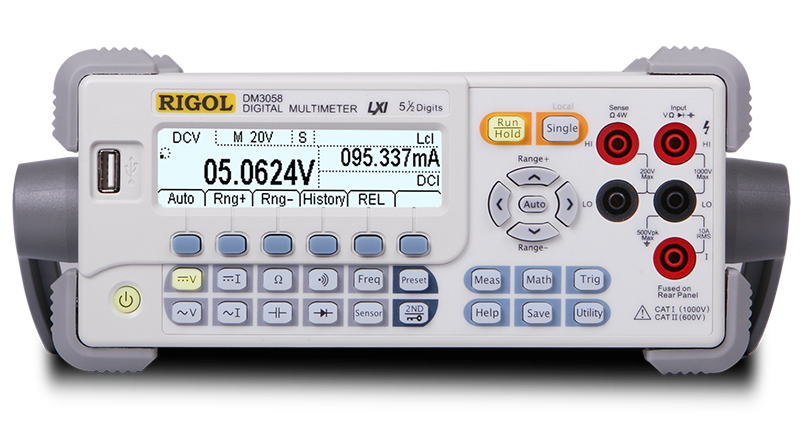
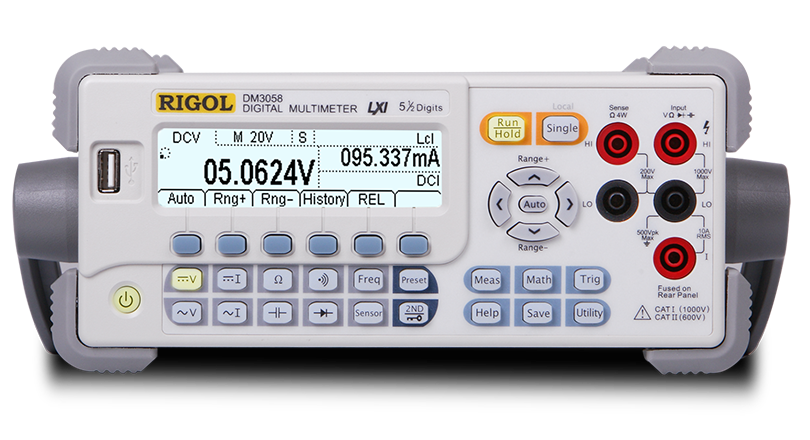
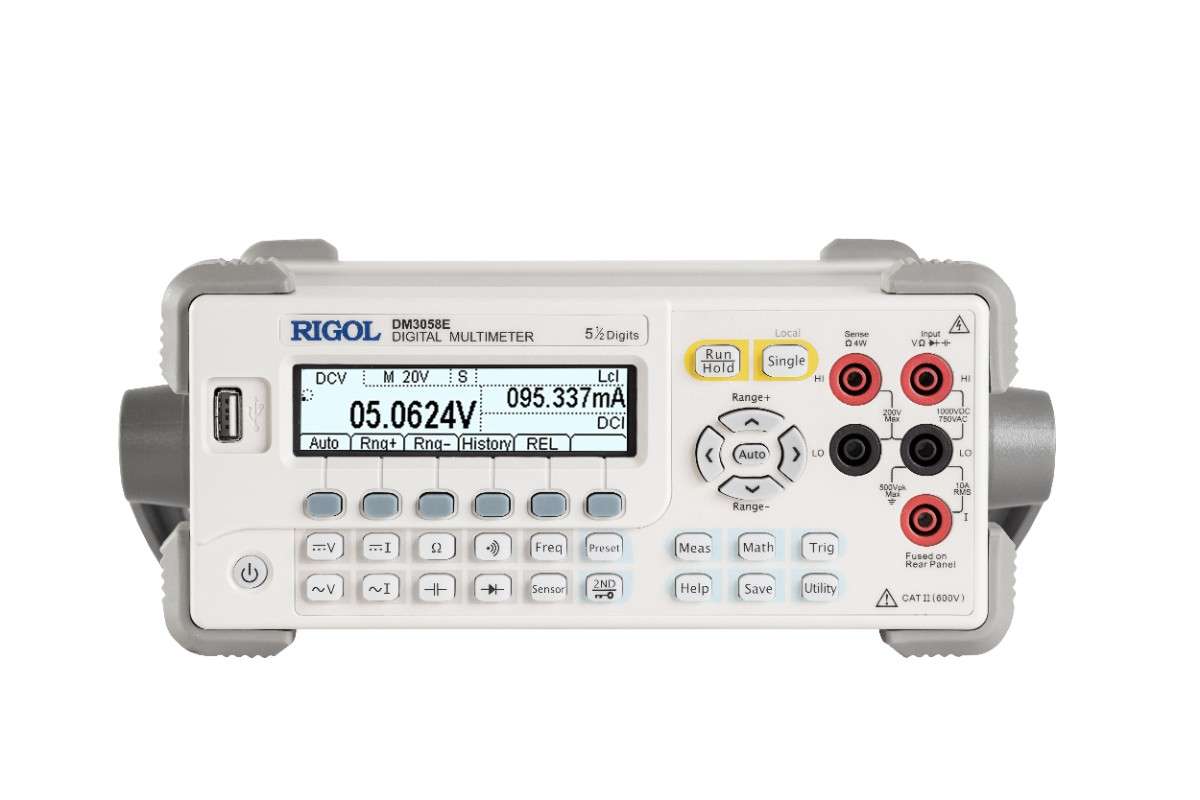
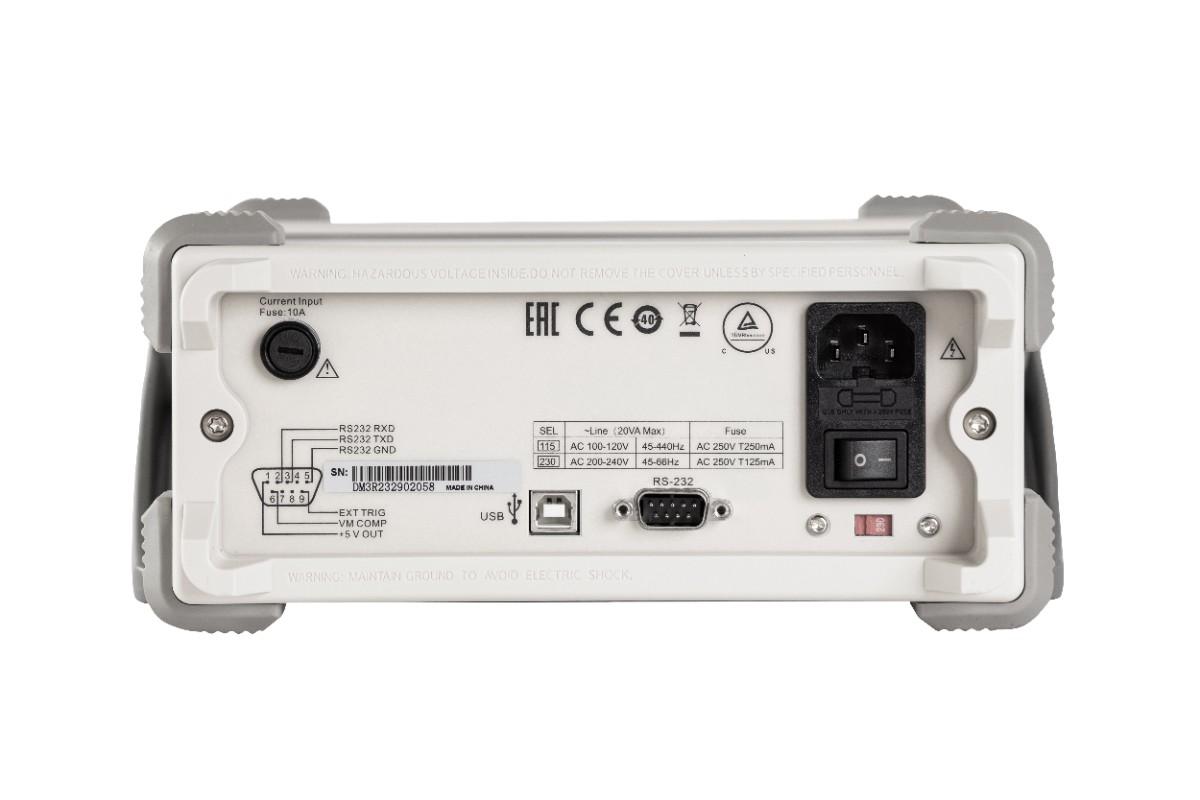
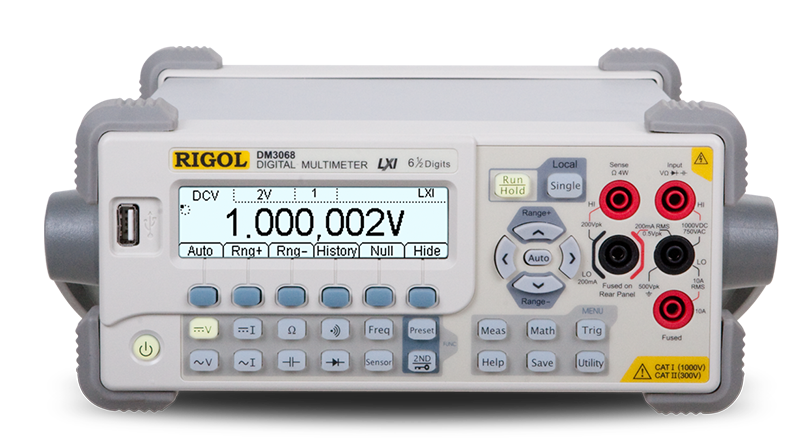
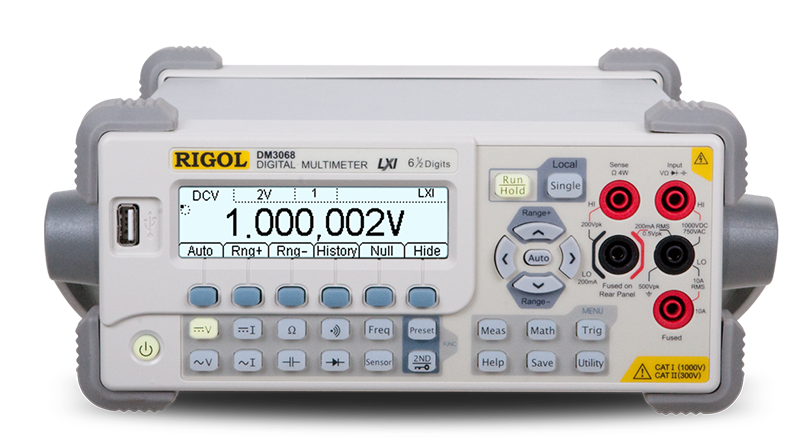
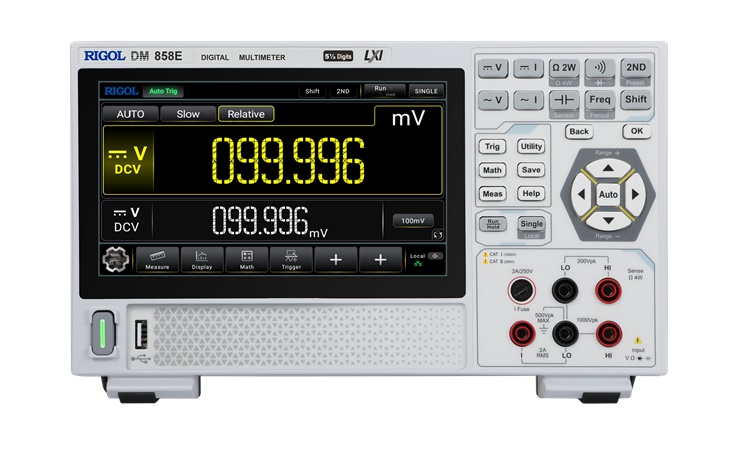
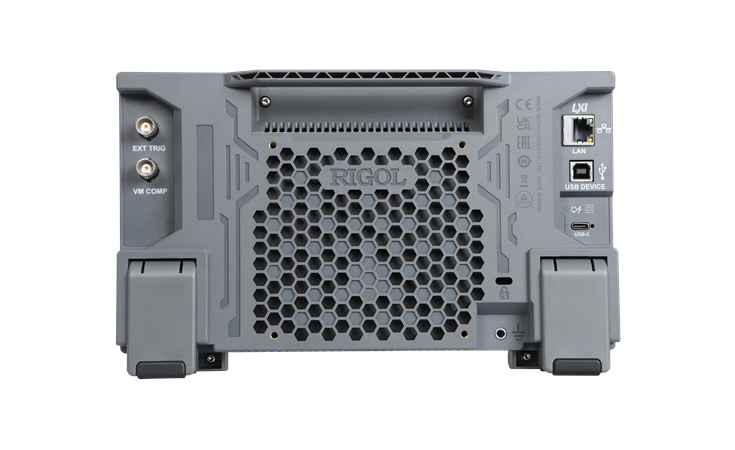
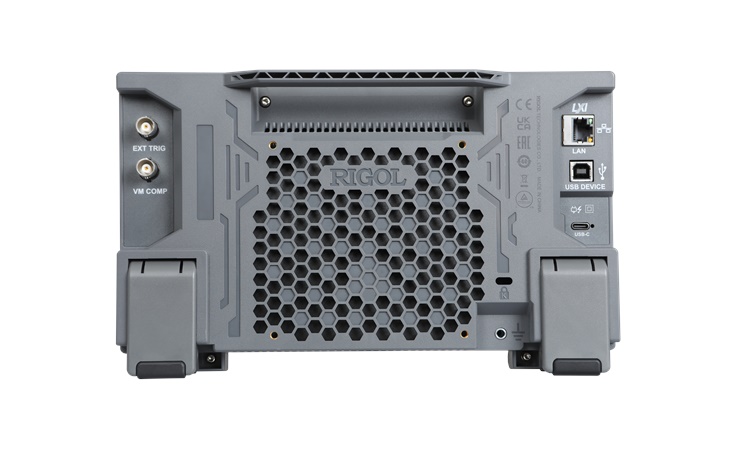
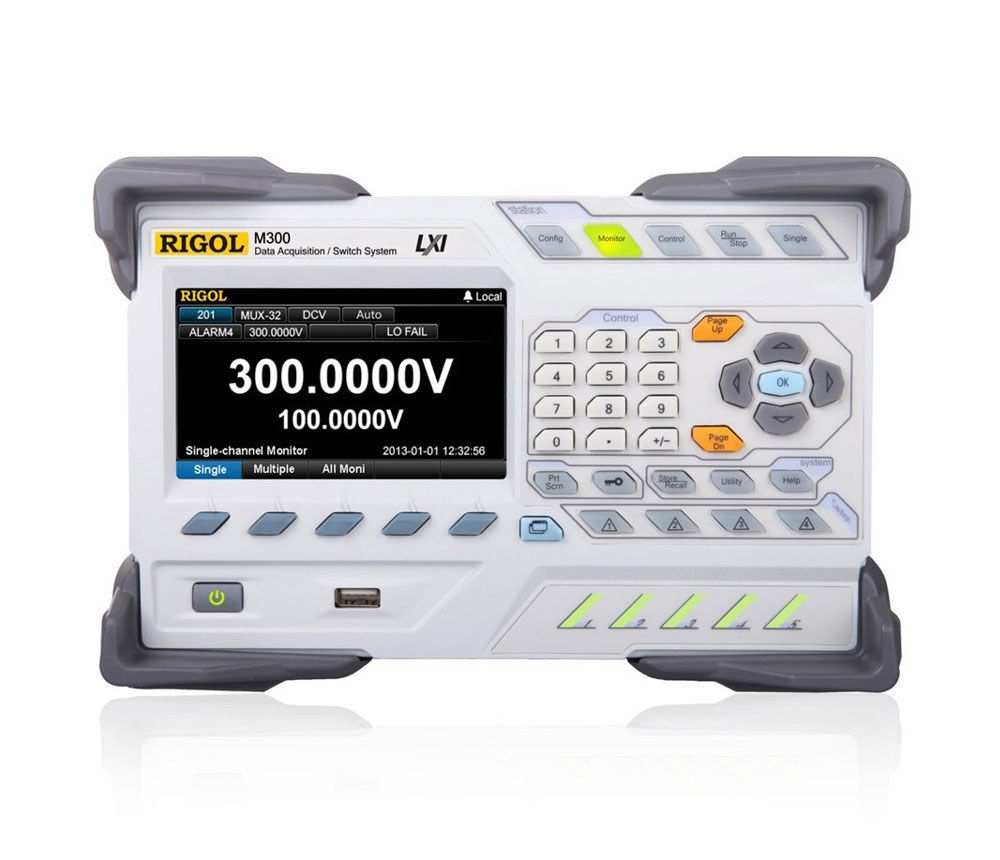
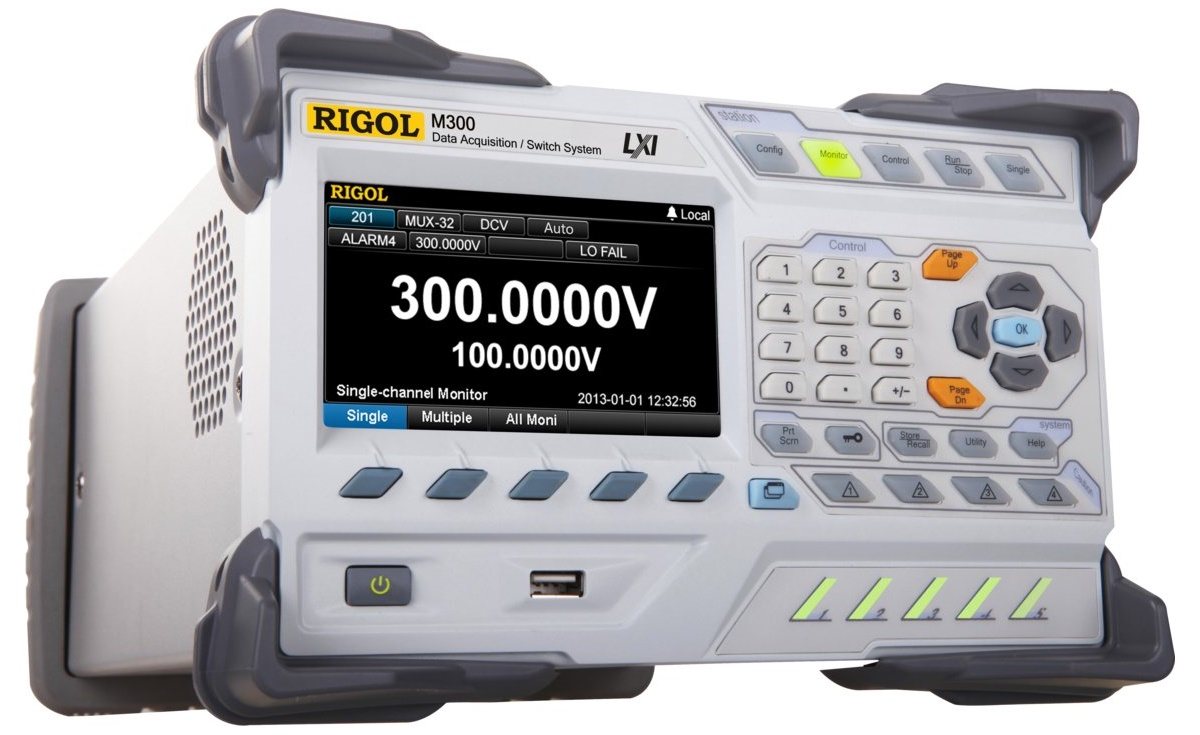
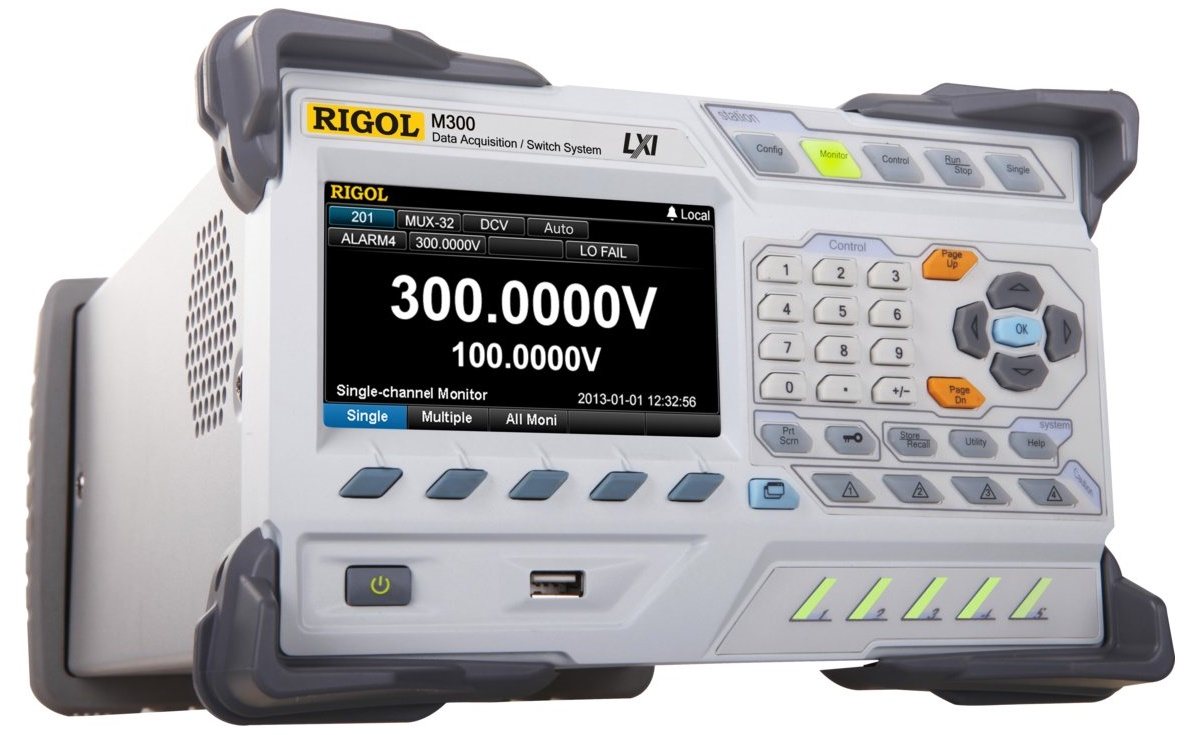
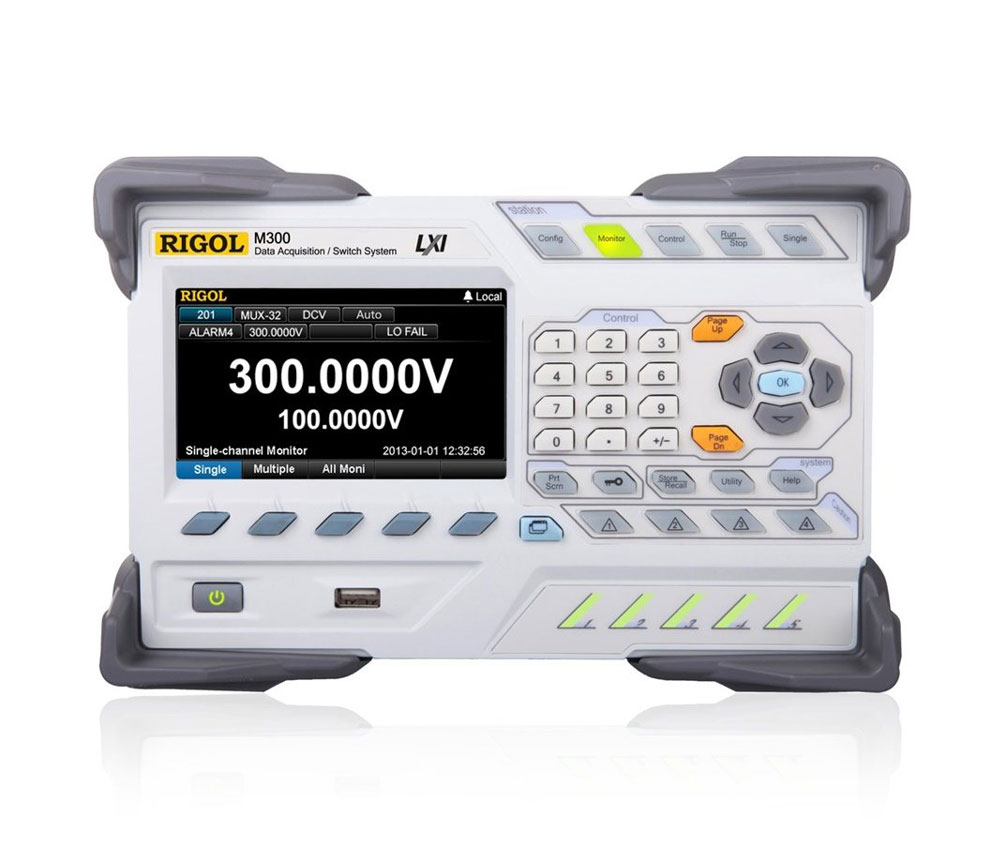
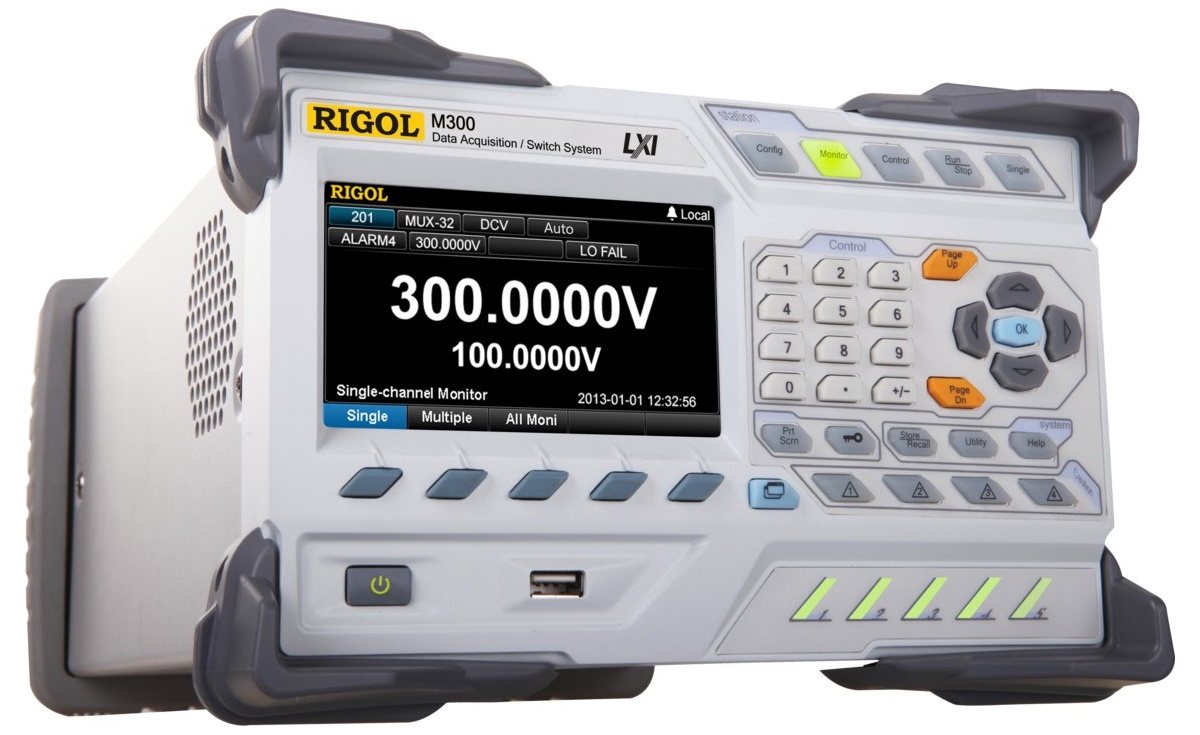
Benchtop Multimeters: Typically found in laboratories and R&D environments. They offer higher measurement resolution (more counts, often 5.5 or 6.5 digits), superior accuracy, and advanced features like data logging and PC connectivity, but they require AC power.
Exploring Our Multimeter Selection
Our catalogue is structured to help you quickly navigate the options based on your professional needs, from electrical installation to advanced electronics design.
Industrial and Electrical Multimeters
These meters are built for electricians, HVAC technicians, and industrial maintenance professionals. They prioritize ruggedness, high safety ratings (CAT IV), and specific functions tailored for industrial systems:
-
Low Input Impedance (LoZ): A mode that helps eliminate "ghost voltages" (induced voltages) that can confuse readings.
-
High Current Measurement: Capability to safely measure high currents, often using an integrated or external current clamp.
-
Temperature Measurement: Essential for diagnostics on motors, ventilation systems, and electrical panels.
Electronics and Precision Multimeters
Designed for electronics engineers, R&D technicians, and specialized repair. These DMMs focus on resolution and speed:
-
High Count Display: Offering 20,000 counts or more for fine-grained measurement details.
-
Advanced Functionality: Includes frequency, capacitance, continuity, diode testing, and duty cycle.
-
PC Connectivity: USB or Bluetooth interfaces for data logging, trend analysis, and documenting measurements on a computer.
Specialized Multimeters and Accessories
We also provide specialized tools that extend the diagnostic capability of a standard meter:
-
Clamp Meters: Measure AC or DC current without breaking the circuit by clamping around the conductor. These are crucial for non-intrusive current diagnostics.
-
Insulation Multimeters: Combine a standard DMM with insulation testing functionality, essential for verifying cable and winding integrity.
-
Test Leads and Probes: High-quality leads are vital for safety and signal fidelity. Our accessories ensure proper connection and accurate contact in every scenario.
Integrated Features for Efficiency and Safety
The newest generation of multimeters includes smart features that accelerate troubleshooting while prioritizing user safety:
-
Non-Contact Voltage Detection: Quickly identifies the presence of voltage without direct contact, increasing safety.
-
Data Logging: Automatically records measurements over time, allowing technicians to capture intermittent faults or monitor long-term system performance.
-
Auto-Ranging: Automatically selects the correct measurement range for the input, speeding up the testing process and preventing damage to the meter.
Partner with Revinetech for Reliable Multimeters
Selecting the correct multimeter requires assessing your safety needs (CAT rating), your required accuracy (count resolution), and your typical measurement environment. Revinetech is committed to providing only safe, certified, and reliable DMMs. Our technical team can help you navigate specifications like True RMS and LoZ to ensure your instrument perfectly matches your daily professional demands.
Invest in safety and precision. Browse our complete selection of multimeters today, compare the best handheld and benchtop models, and contact us for expert advice and a personalized quote.
Frequently Asked Questions (FAQs)
What does the CAT rating on a multimeter mean?
The CAT (Category) rating specifies the instrument's level of protection against dangerous transient voltage spikes common in different electrical environments. CAT III is typically used for equipment in fixed installations, and CAT IV is required for the utility service entrance and outside wiring. Always choose a meter rated for your highest potential hazard.
What is True RMS and why is it important for a multimeter?
True RMS (Root Mean Square) is a feature that allows the multimeter to accurately measure the heating power of an AC waveform, regardless of its shape (sinusoidal or distorted). If you measure complex loads like motors or LED lighting with a meter that is not True RMS, your readings will be inaccurate.
Should I choose a handheld or a benchtop multimeter?
Choose a handheld multimeter for portability, durability, and field safety. Choose a benchtop multimeter for the highest accuracy, maximum resolution (e.g., 6.5 digits), and advanced analysis features required in a stationary lab or R&D environment.
What are "ghost voltages" and how does a multimeter prevent them?
Ghost voltages are induced voltages caused by capacitance between disconnected wires running parallel to live ones. They are misleading because they show voltage but cannot supply current. Meters with a Low Input Impedance (LoZ) function dissipate this induced charge, providing an accurate zero reading instead of a misleading voltage.
What is the significance of the "count" specification on a DMM?
The count (e.g., 4000 counts or 20,000 counts) defines the maximum displayable number and, consequently, the resolution of the DMM. A 20,000-count meter can show more precise detail (e.g., 1.000 V instead of 1.00 V) than a 4000-count meter, improving the accuracy of small measurements.