Sealevel PCI Digital I/O Cards: Internal Control and Monitoring for Industrial PCs
Welcome to Revinetech's dedicated category for Sea...
Sealevel PCI Digital I/O Cards: Internal Control and Monitoring for Industrial PCs
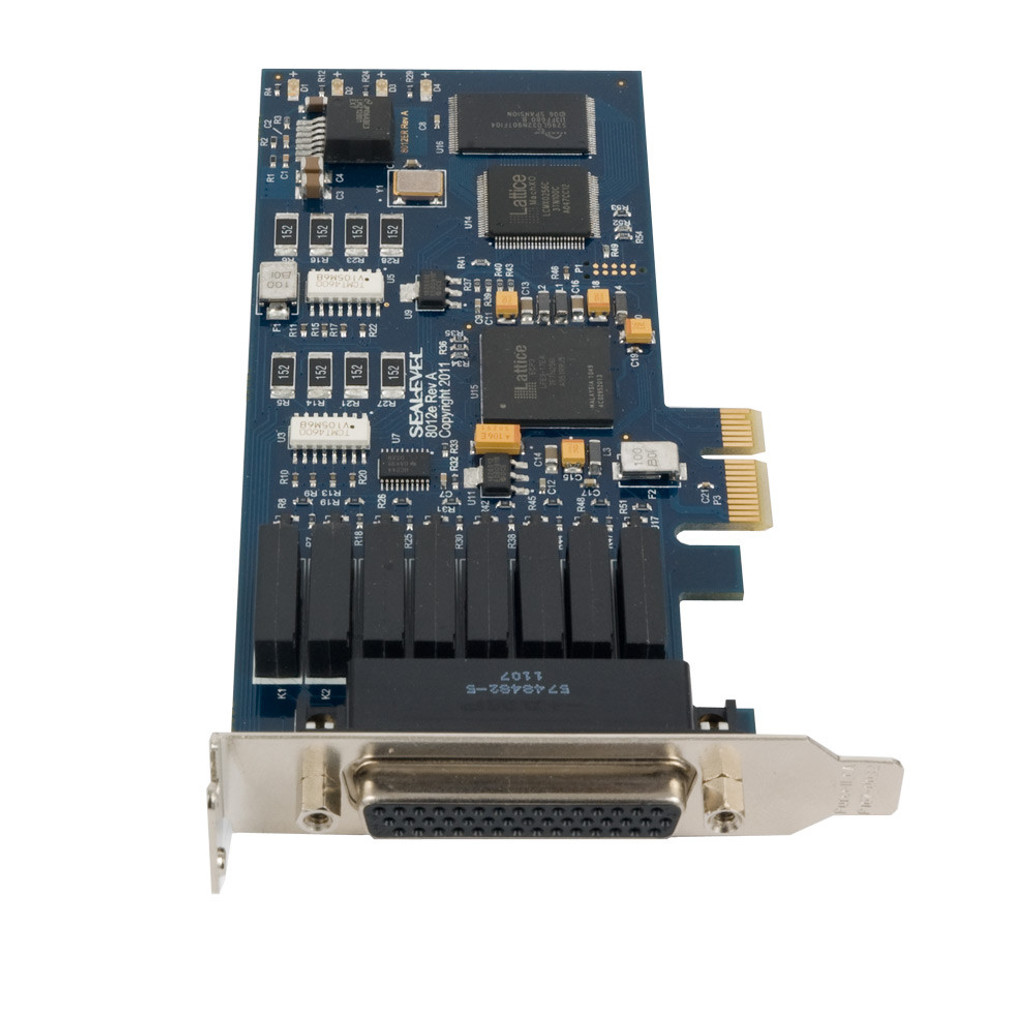
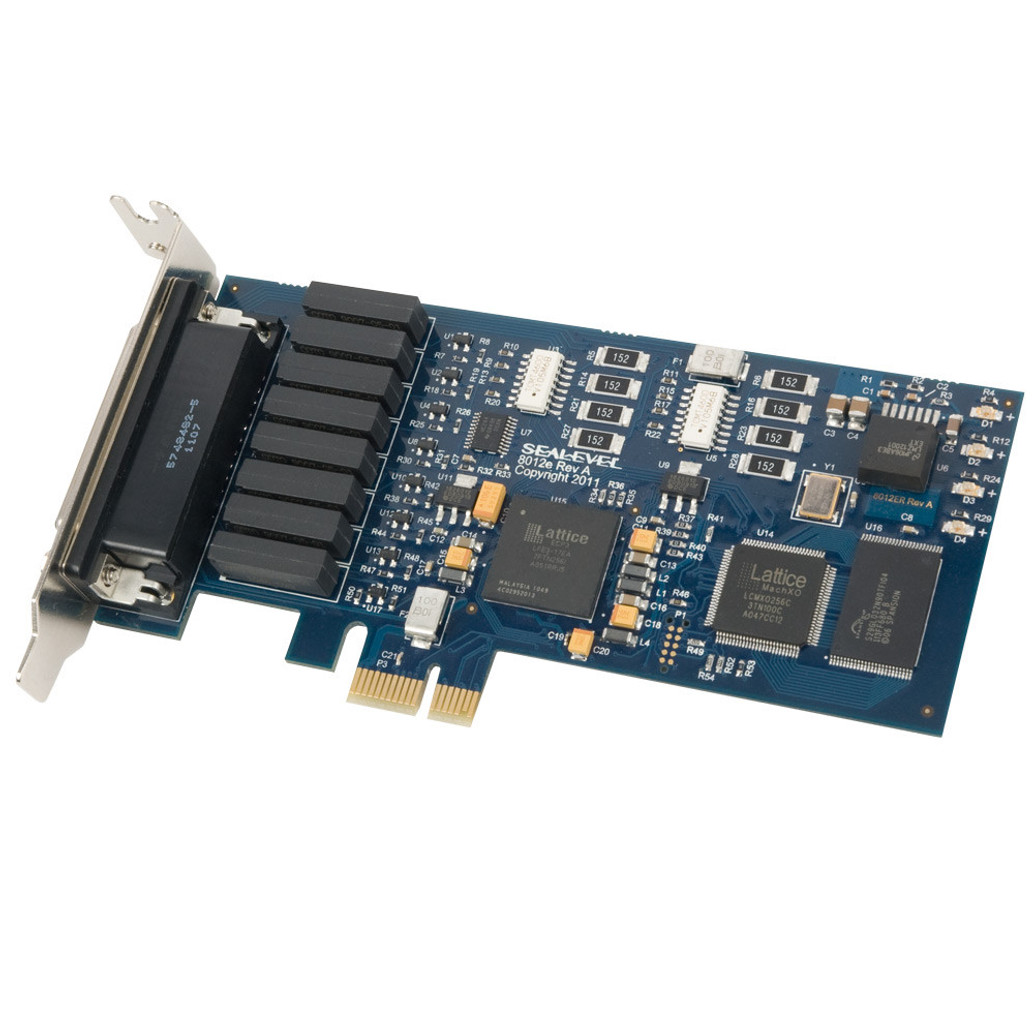
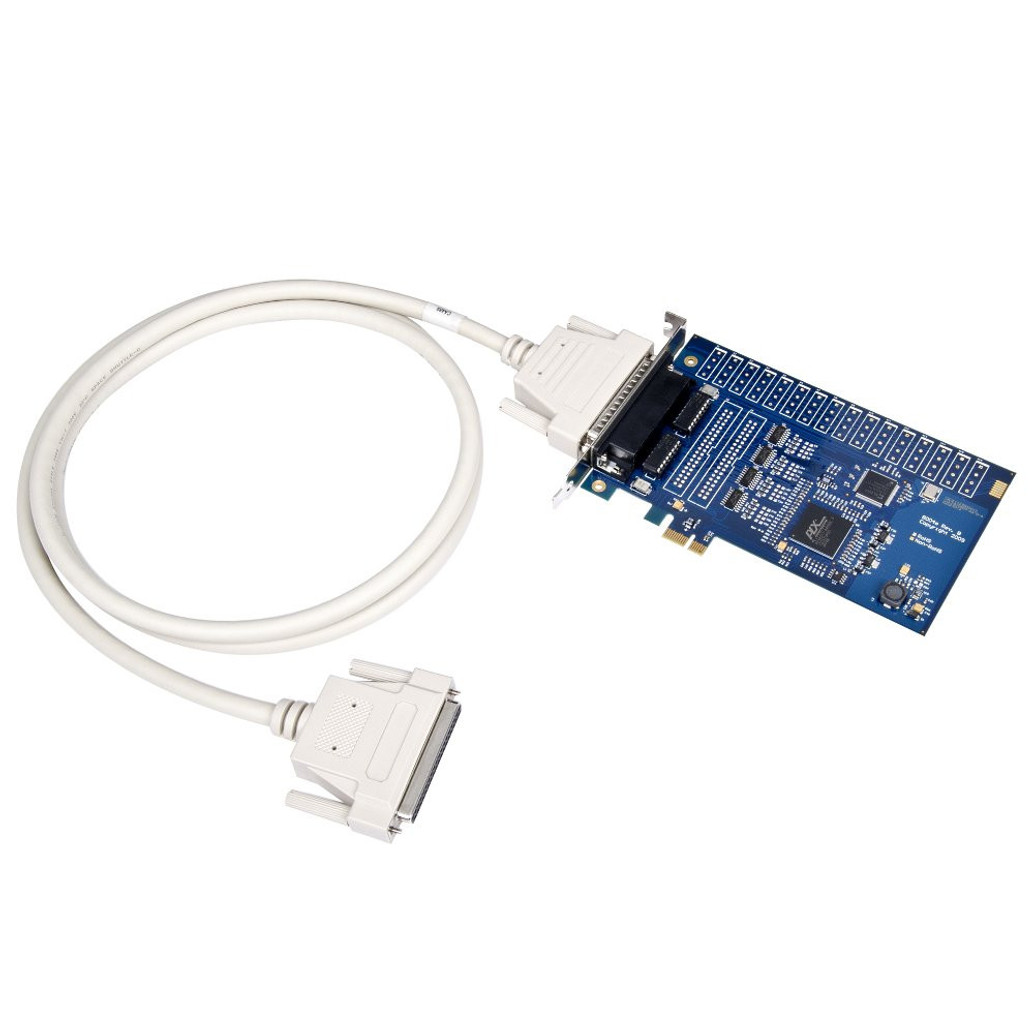
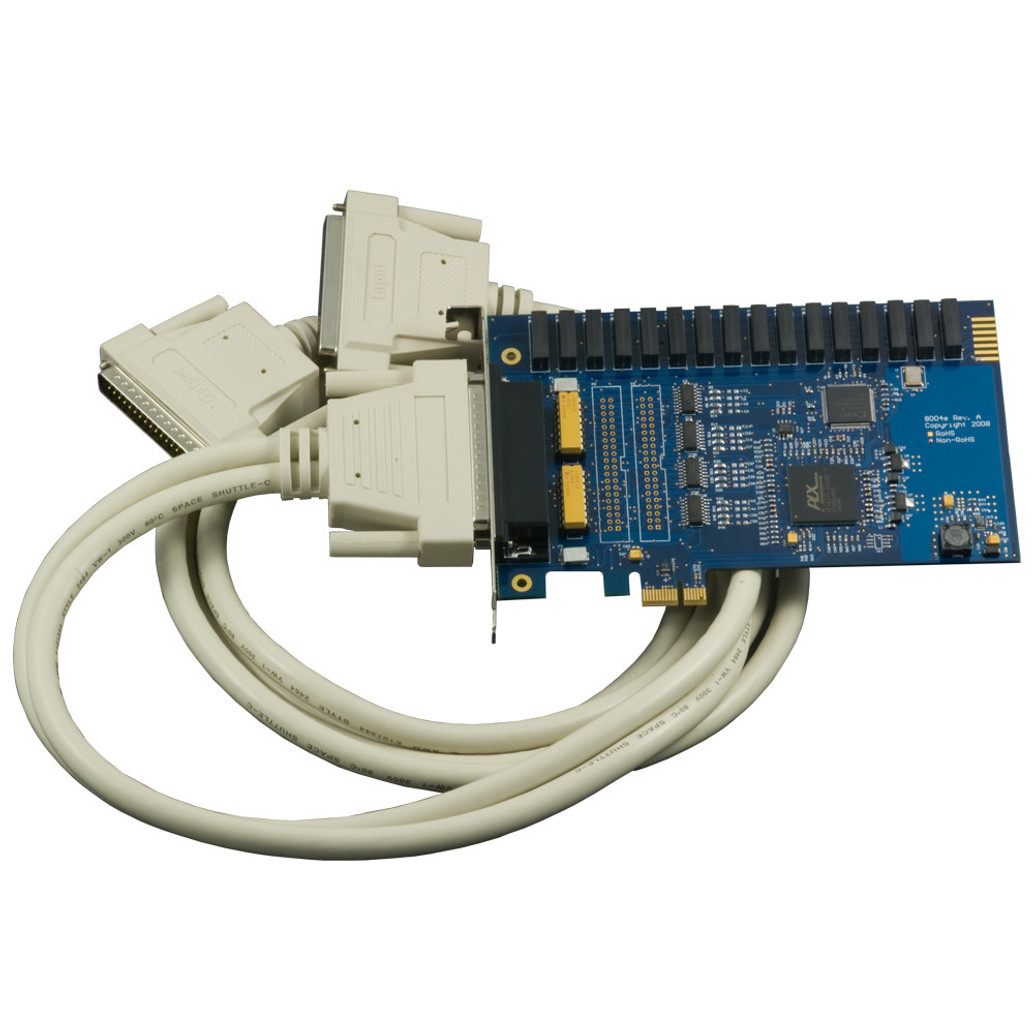
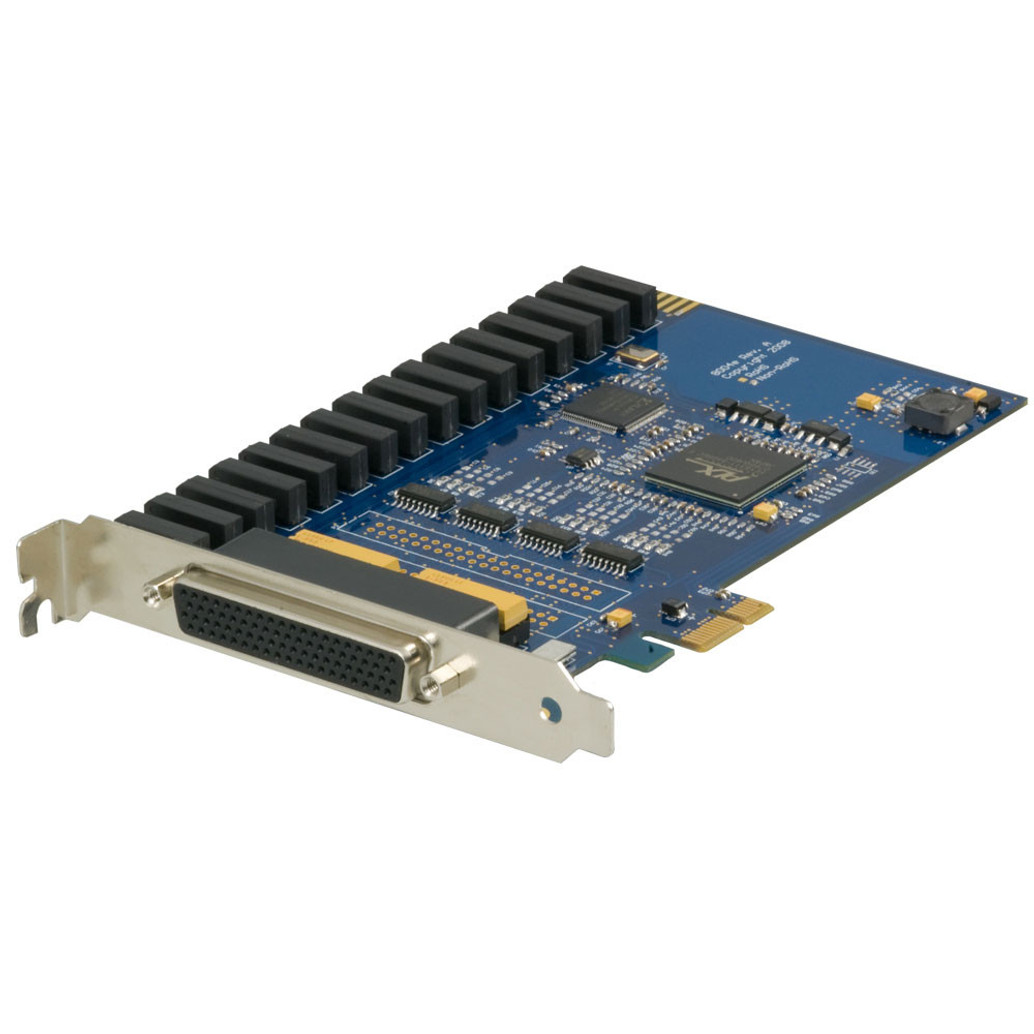
Welcome to Revinetech's dedicated category for Sealevel PCI Digital I/O Cards. For industrial, scientific, and embedded applications where reliable communication with the physical world is required, internal PCI expansion provides the most stable, high-speed, and robust solution. Sealevel PCI Digital I/O cards (supporting standard PCI and PCIe/PCI Express) are meticulously engineered to provide dedicated, low-latency interfaces for controlling industrial actuators, monitoring sensor status, and managing machine logic directly from a host PC.
You are seeking trustworthy, internal expansion cards that offer high channel count, flexible signal routing, and superior electrical protection for your mission-critical control and data acquisition needs. Our selection features the complete range of Sealevel PCI digital I/O solutions, offering optically isolated inputs, high-current relay outputs, and high-speed counter/timer functions. Trust Revinetech to provide the genuine Sealevel PCI card that delivers certified industrial durability, sustained reliable control, and the stable, dedicated I/O link necessary for your professional computing environment.
Why Sealevel PCI Digital I/O is Essential for Industrial Control
Sealevel’s solutions are designed to eliminate the risks associated with connecting sensitive PC internal circuitry directly to the electrically noisy and high-voltage world of industrial signaling.
Reliability and Electrical Isolation
The superior design of Sealevel digital I/O cards ensures data integrity and system safety:
-
Optical Isolation: Many input and output channels feature optical isolation (or galvanic isolation) between the I/O points and the host computer bus. This is critical for preventing damaging ground loops, blocking high-voltage spikes, and protecting the host PC's motherboard.
-
High Voltage/Current Capability: Output channels are designed to handle industrial voltage levels (e.g., 24VDC) and sufficient current to reliably drive industrial loads, relays, or solenoids directly from the card.
-
Noise Immunity: Inputs include integrated filtering and conditioning to suppress electrical noise and switch bounce, ensuring that digital status signals are read cleanly and accurately.
Maximizing Throughput and System Stability
PCI and PCIe cards offer the optimal performance path for high-speed I/O management:
-
Low Latency: Utilizing the high-speed PCI Express (PCIe) bus provides low-latency communication, which is crucial for time-sensitive control loops and real-time monitoring applications.
-
Dedicated Resources: PCI cards utilize dedicated host system resources, providing stable, reliable performance for managing high channel counts simultaneously without CPU overload.
-
FIFO Buffers and Data Integrity: Integrated buffers and robust hardware design ensure that digital I/O status data is reliably transferred without data loss or timing errors.
Exploring the Sealevel PCI Digital I/O Card Categories
Our catalogue features the specialized lines of Sealevel digital I/O cards, categorized by bus type, channel function, and protection level.
Digital Input Cards (Status Monitoring)
These cards are designed to reliably monitor the status of external physical devices:
-
High Channel Count: Available in configurations offering numerous digital input channels for monitoring large arrays of switches, limit sensors, and discrete industrial signals.
-
Wide Voltage Input Ranges: Compatible with various industrial logic levels by accepting a broad range of input voltages (e.g., 5V to 30V inputs).
-
Optically Isolated Inputs: Provides essential protection against ground potential differences and external electrical faults.
Digital Output Cards (Actuation and Control)
These devices are used to reliably send control signals and actuate external hardware:
-
Solid-State and Relay Outputs: Offering both fast, high-speed solid-state outputs for logic control and robust relay outputs for switching high AC voltages or high currents.
-
Failsafe Control: Outputs often feature power-up/power-down default states to ensure controlled behavior during system boot or power failure events.
-
Protection Circuitry: Outputs are protected against overcurrent and short circuits, ensuring component longevity and system reliability.
Counter/Timer and Specialized I/O Cards
Versatile cards designed for precise timing and mixed-signal applications:
-
Counter/Timer Functions: Integrating dedicated high-speed counters and timers for applications requiring precise frequency measurement, pulse counting, and pulse width modulation (PWM) output.
-
Combination I/O: Cards that integrate both digital inputs and digital outputs on a single board for compact, flexible control solutions.
-
PCI Express (PCIe): Offering solutions compatible with the latest PCIe bus architecture for maximum bandwidth and system compatibility.
Integrated Features for Automation and Diagnostics
Sealevel I/O cards incorporate features that ensure superior data reliability and streamline system integration.
-
SeaI/O Software Suite: Compatibility with Sealevel's comprehensive SeaI/O software suite and APIs simplifies configuration, testing, and integration into standard development environments (LabVIEW, C++, Python).
-
Driver Support: Comprehensive, long-term driver support for all major operating systems (Windows, Linux) simplifies installation and ensures system stability.
-
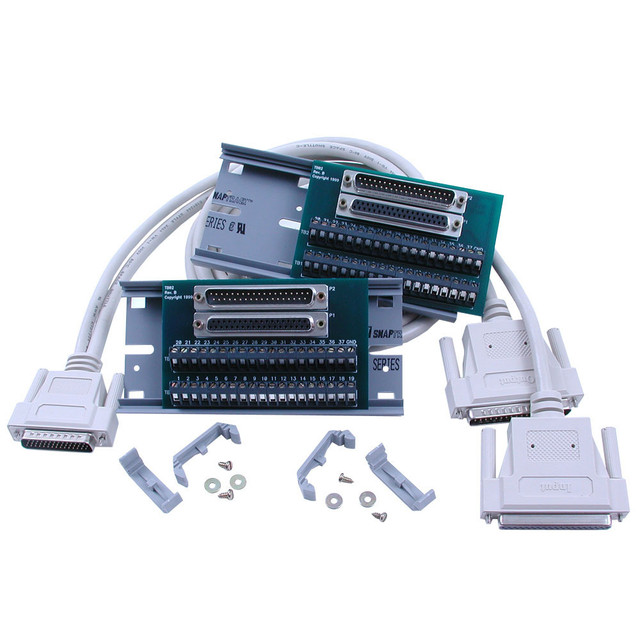
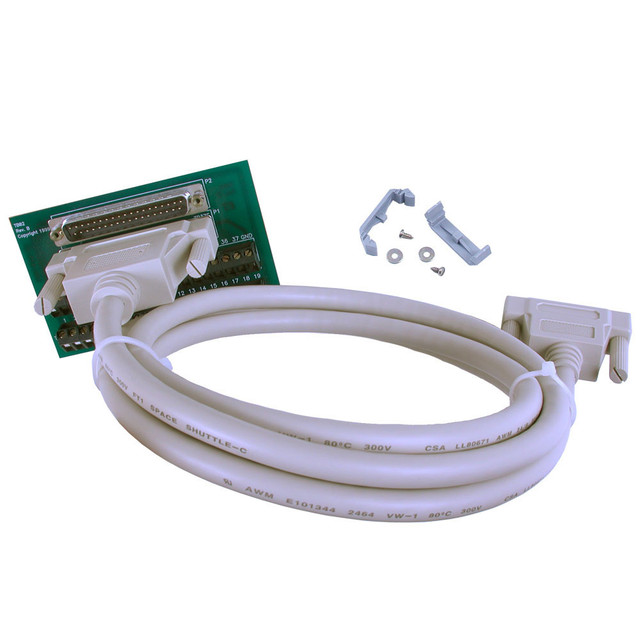
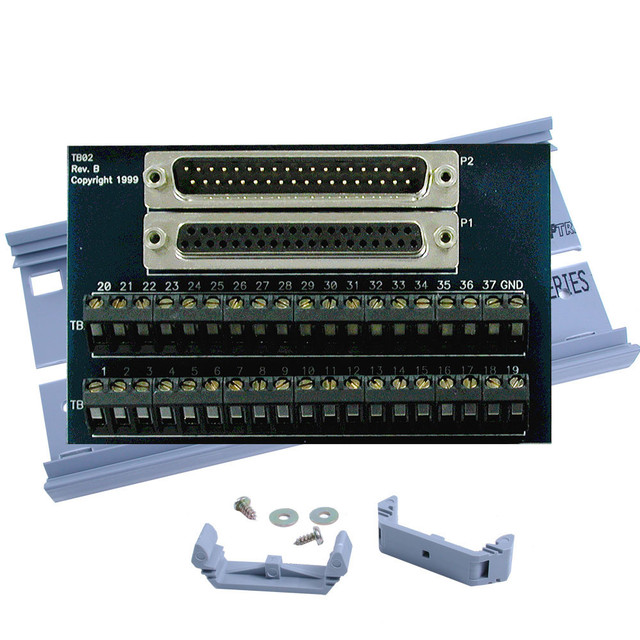
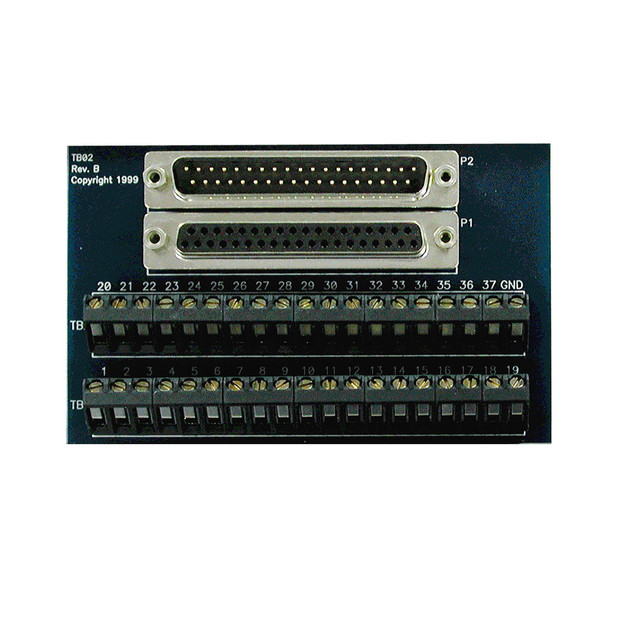
Header/Terminal Block Options: Offering various physical connections, including standard header pins for embedded use or robust screw terminal blocks for secure, professional industrial field wiring.
Partner with Revinetech for Sealevel Digital I/O Assurance
Selecting the ideal Sealevel PCI Digital I/O Card requires assessing the necessary channel count, the required output type (relay vs. solid-state), and the critical need for optical isolation. Revinetech is your authorized source for the complete Sealevel connectivity and I/O portfolio. Our technical specialists are ready to assist you in matching the certified protection, reliable performance, and integration flexibility of the right Sealevel PCI card to your specific automation, monitoring, and control demands.
Achieve precise, stable control over your industrial assets. Browse our catalogue of Sealevel PCI Digital I/O Cards today, and contact us for expert advice and a personalized quote.
Frequently Asked Questions (FAQs)
What is the main benefit of optical isolation on a Sealevel Digital I/O card?
The main benefit is protection. Optical isolation uses a light barrier to prevent high-voltage spikes, noise, and dangerous ground loop currents from passing from the industrial I/O channels back to the host computer's sensitive internal components, ensuring hardware longevity and data reliability.
What is the difference between a relay output and a solid-state output on an I/O card?
A relay output uses a physical switch (electromagnetic) and is best for controlling high AC/DC loads. A solid-state output uses semiconductor switching, which is much faster, lasts longer (no moving parts), and is ideal for high-speed logic control signals but typically handles lower current.
How does a PCI Digital I/O card minimize CPU utilization?
PCI Digital I/O cards use dedicated hardware resources and often integrate FIFO buffers. These features reduce the need for the host CPU to constantly interrupt its tasks to manage data, allowing the CPU to focus on application processing while ensuring no I/O data is missed.
What is a counter/timer function used for on a digital I/O card?
A counter/timer function is used for precise timing and frequency measurement. It allows the card to accurately count pulses from sensors (e.g., flow meters, encoders) or generate precise pulse width modulation (PWM) signals for motor control or lighting applications.
Are Sealevel PCI Digital I/O cards compatible with both standard PCI and the modern PCIe bus?
Sealevel offers dedicated cards for both buses. Customers must select the appropriate Sealevel PCI card (for older systems) or PCI Express card (for modern systems) based on the available internal slots in their host computer, ensuring optimal performance and physical fit.