Tabor Rack-Mount Modules: High-Density Signal Generation for ATE Systems
Welcome to Revinetech's elite category for Tabor Rack-Mount...
Tabor Rack-Mount Modules: High-Density Signal Generation for ATE Systems
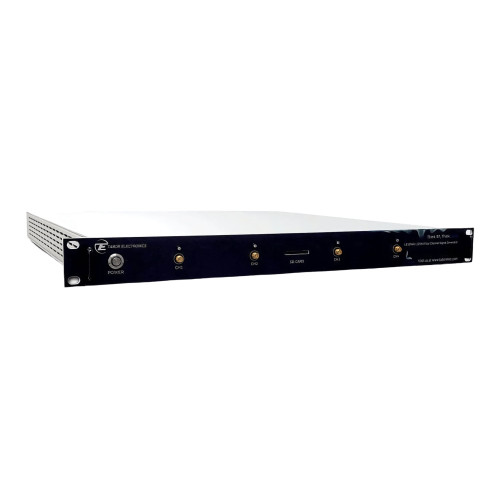
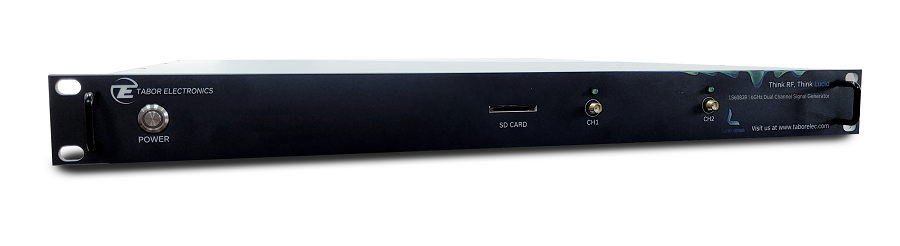
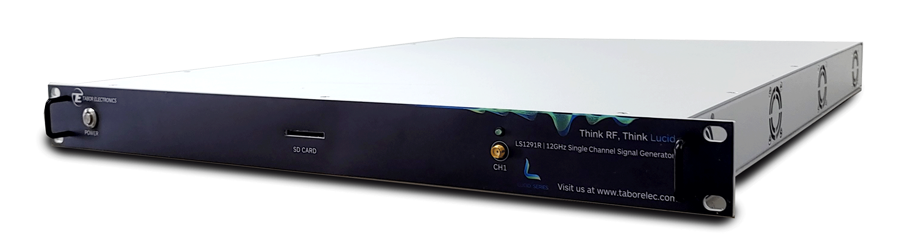
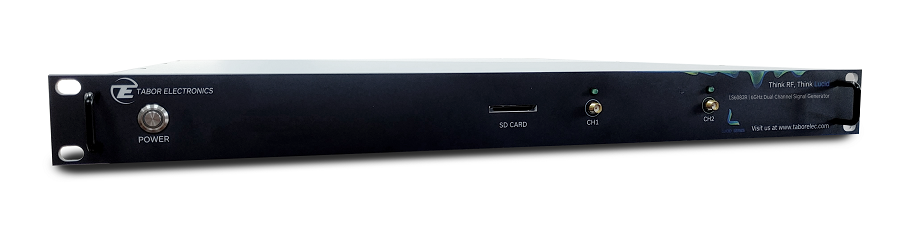
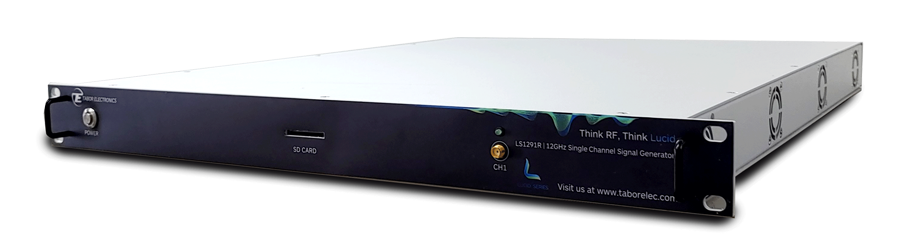
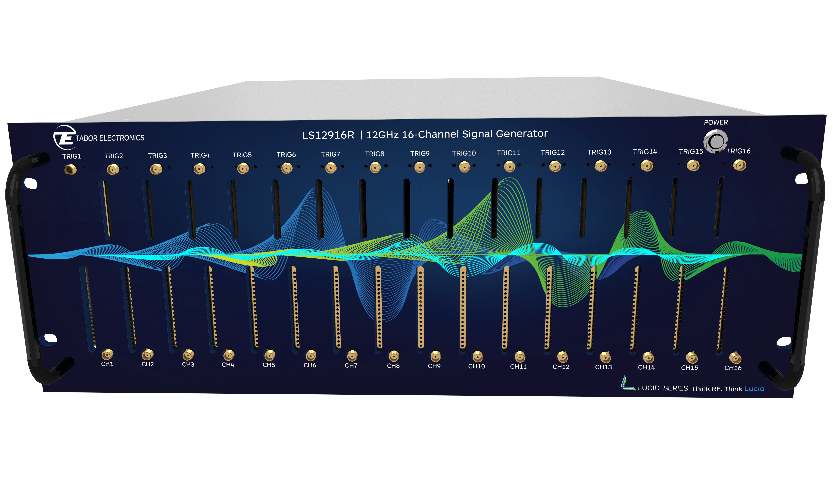
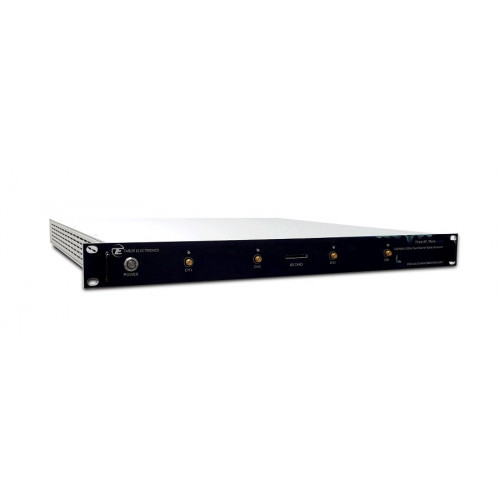
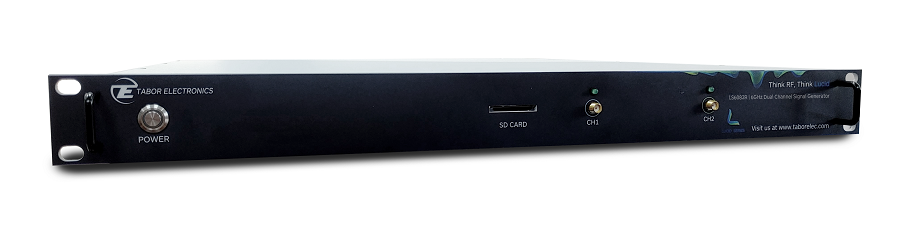
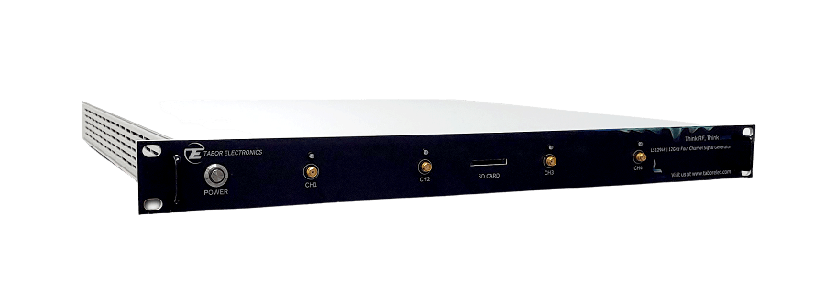
Welcome to Revinetech's elite category for Tabor Rack-Mount Modules. Tabor Electronics is a world leader in high-speed, high-fidelity signal generation, and their rack-mount modules are engineered to provide maximum channel density, exceptional performance, and robust reliability within automated test equipment (ATE) systems. These instruments are indispensable for engineers in aerospace, defense, telecommunications (5G/6G), and high-volume manufacturing environments where space and throughput are critical.
You are seeking high-density instruments that deliver superior signal quality, deep arbitrary waveform memory, and precise synchronization in a space-saving, standardized rack format. Our selection features the complete range of Tabor rack-mount modules, including advanced Arbitrary Waveform Generators (AWGs), Function Generators, and specialized high-speed pulse pattern sources. Trust Revinetech to provide the genuine Tabor modular solution that delivers the density, speed, and certified accuracy required to optimize your complex, high-channel-count ATE racks.
Why Tabor Rack-Mount Modules Are Chosen for ATE Performance
Tabor’s rack-mount modules are specifically designed to meet the rigorous demands of ATE systems, leveraging advanced architecture to deliver high channel count and performance in a compact footprint.
Density and Efficiency in Rack Systems
Tabor maximizes the power delivered per rack unit (U), which is crucial for reducing the physical footprint and increasing the efficiency of large test facilities:
-
High Channel Density: Modules are designed to pack multiple, synchronized channels into a small form factor, drastically reducing the physical space and cost required compared to traditional full-size instruments.
-
Scalability and Modularity: The standardized rack-mount format allows engineers to easily and rapidly scale the system's capabilities—adding more synchronized channels or different functionalities—by simply integrating additional modules.
-
Low Total Cost of Ownership (TCO): By consolidating multiple functions and channels into fewer instruments, Tabor modules reduce hardware costs, power consumption, and cooling requirements.
Uncompromised Signal Fidelity and Synchronization
Signal quality is paramount in automated testing. Tabor ensures that the stimulus signal is pure and precisely timed, minimizing measurement uncertainty:
-
High Sample Rates and Deep Memory: Rack-mount AWG modules offer industry-leading sample rates and deep waveform memory. This is essential for synthesizing wideband, complex, and long-duration arbitrary signals required for modern high-speed communication and radar testing.
-
Low Noise and Spurious Content: Instruments feature meticulous design to minimize inherent noise and distortion, ensuring the generated stimulus signal is of the highest quality for sensitive receiver and component testing.
-
Precise Multi-Module Synchronization: Modules are equipped with dedicated synchronization features (external clocks and trigger lines) that enable nanosecond-level timing alignment when linking multiple Tabor modules together, vital for phase-coherent and multi-tone applications.
Exploring the Tabor Rack-Mount Module Categories
Our catalogue features the specialized lines of Tabor rack-mount solutions, categorized by their core functionality and performance level.
High-Speed Arbitrary Waveform Generator (AWG) Modules
These modules are the cornerstone of complex signal simulation, indispensable for demanding R&D and validation environments:
-
Complex Modulation Synthesis: Capable of synthesizing intricate I/Q data for testing advanced communication protocols, radar systems, and electronic warfare (EW) scenarios.
-
Sequencing Engines: Integrated advanced sequencing hardware allows the module to autonomously execute complex, multi-segmented, and event-driven test routines without continuous host control, maximizing ATE speed.
-
High Resolution DACs: Utilizing high-resolution Digital-to-Analog Converters (DACs) ensures excellent amplitude accuracy and a wide dynamic range for synthesized signals.
Function and Pulse Generator Modules
These instruments provide stable, high-fidelity basic waveforms and precision timing control in a high-density format:
-
Precision Pulse Generation: Offering fine control over pulse width, rise/fall time, and delay with ultra-low jitter, critical for timing analysis and high-speed digital interface testing.
-
Standard Waveforms: Generating high-fidelity standard functions (sine, square, triangle) with exceptional frequency stability, ideal for automated component characterization.
-
Integrated Modulation: Built-in features for various modulation schemes (AM, FM, FSK, etc.) simplify the automated creation of modulated carrier signals.
Integrated Features for ATE Efficiency and Reliability
Tabor rack-mount modules incorporate features that streamline ATE development, improve remote diagnostics, and guarantee fast, reliable performance in production environments.
-
Full Remote Control: Standard communication interfaces (LAN, USB, GPIB) are fully supported and optimized for ATE integration, ensuring seamless programming and control via standard drivers (IVI, LabVIEW, Python).
-
Built-in Diagnostics: Integrated self-test and calibration routines ensure the module’s specified performance is maintained reliably over time and temperature changes, reducing maintenance overhead.
-
Master/Slave Synchronization: Optimized for rack integration, the modules support simple, reliable synchronization configurations to easily scale the output channel count across the ATE system.
Partner with Revinetech for Tabor Rack-Mount Excellence
Selecting the ideal Tabor Rack-Mount Module requires assessing required sample rate, channel density, and the necessity of advanced arbitrary waveform sequencing. Revinetech is your authorized source for the complete Tabor rack-mount portfolio. Our technical specialists are ready to assist you in matching the high throughput, certified signal quality, and modular flexibility of the right Tabor solution to your specific ATE and production testing requirements.
Optimize your automated test rack with high-density precision signal generation. Browse our catalogue of Tabor Rack-Mount Modules today, compare the best compact AWGs and function generators, and contact us for expert advice and a personalized quote.
Frequently Asked Questions (FAQs)
What is the primary benefit of using a Tabor Rack-Mount Module over a traditional benchtop AWG in ATE?
The primary benefit is density and throughput. Tabor Rack-Mount Modules significantly reduce the rack space required per channel, lower power consumption, and provide faster data transfer and remote control capabilities, which are essential for efficient, high-volume automated testing.
How does Tabor ensure synchronization when multiple modules are placed in a rack?
Synchronization is achieved through dedicated external rear panel connections for the reference clock and triggers. By connecting these synchronized lines, multiple Tabor modules are locked to a common time base, maintaining precise phase coherence across all output channels for multi-tone or complex phased-array testing.
Why is "deep memory" important for rack-mount AWGs in ATE?
Deep memory is vital for ATE systems because it allows the AWG module to store extremely long, complex, or segmented sequences of waveforms. This enables the automated execution of lengthy functional test patterns or real-world simulations without requiring continuous, high-speed data streaming from the host computer.
Do Tabor rack-mount modules support standard ATE programming languages?
Yes. Tabor rack-mount modules come with comprehensive, standardized drivers (typically including IVI, LabVIEW, and MATLAB) that simplify integration and programming within established ATE software frameworks, ensuring rapid development and deployment.
What is the advantage of a Tabor module having built-in sequencing hardware?
Built-in sequencing hardware allows the Tabor module to autonomously execute complex test routines (looping, branching, conditional jumps) stored in its memory. This minimizes latency, offloads processing from the host computer, and ensures deterministic timing for test execution.