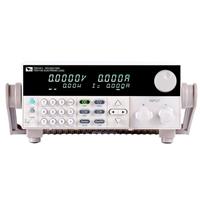
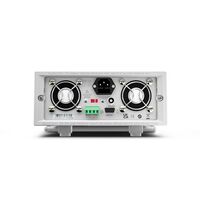
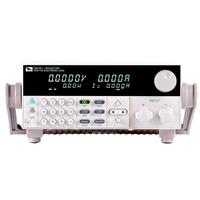
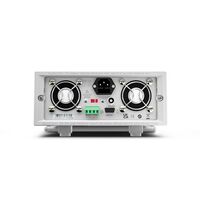
ITECH DC Electronic Loads: Advanced Solutions for High-Performance Power Testing
Welcome to Revinetech's specialized category for ITE...
ITECH DC Electronic Loads: Advanced Solutions for High-Performance Power Testing
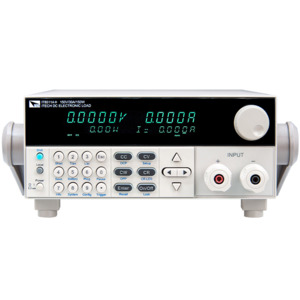
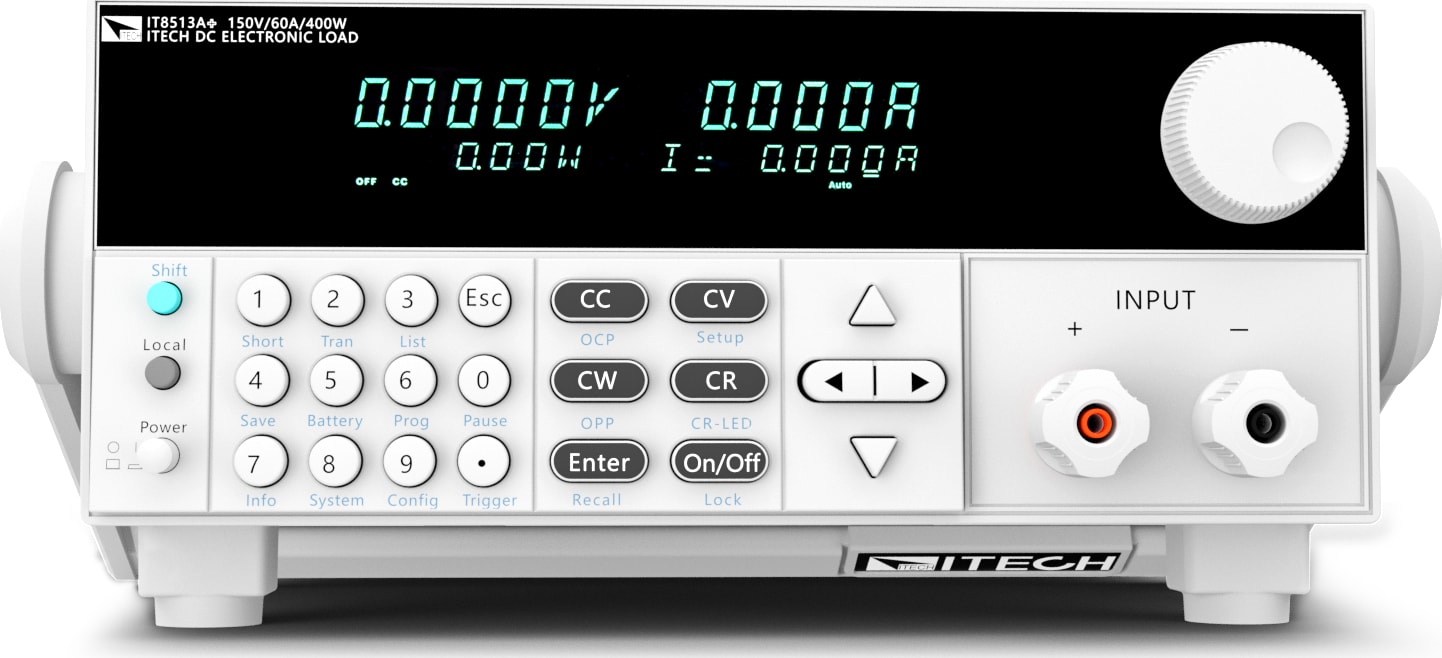
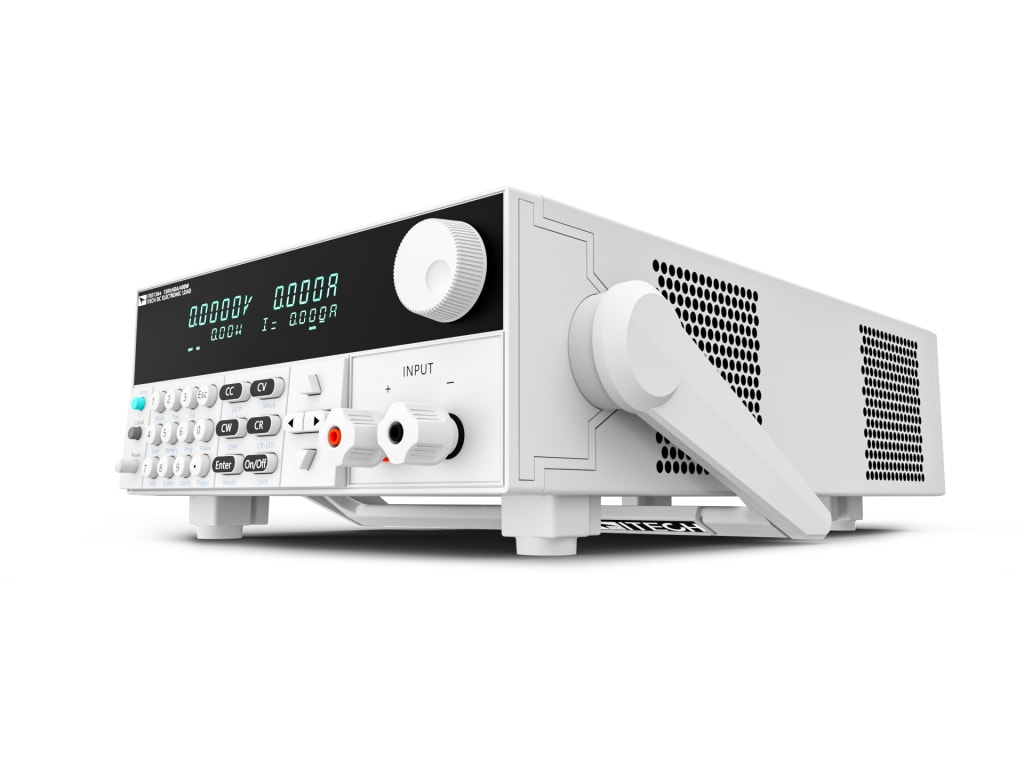
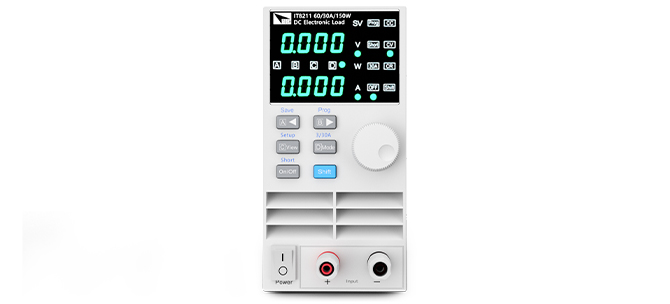
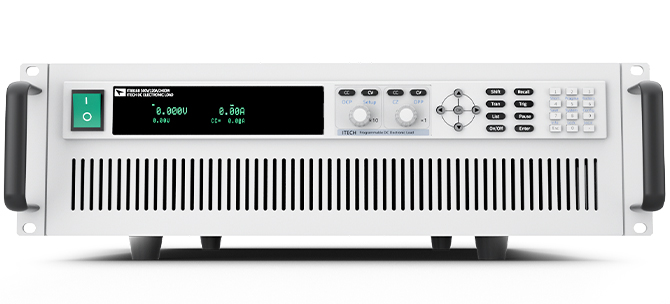
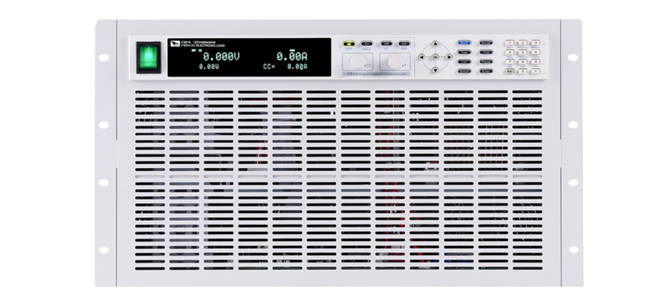
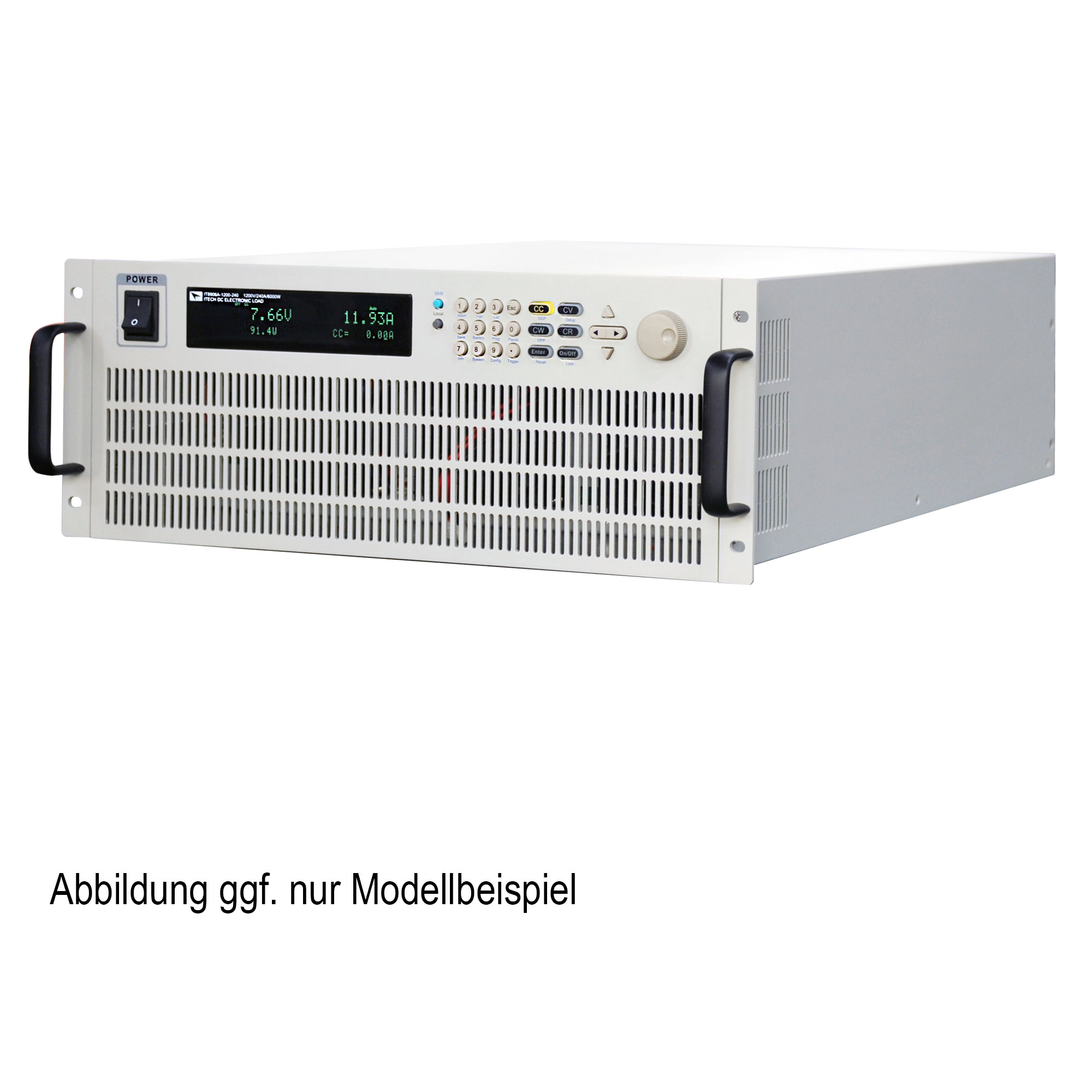
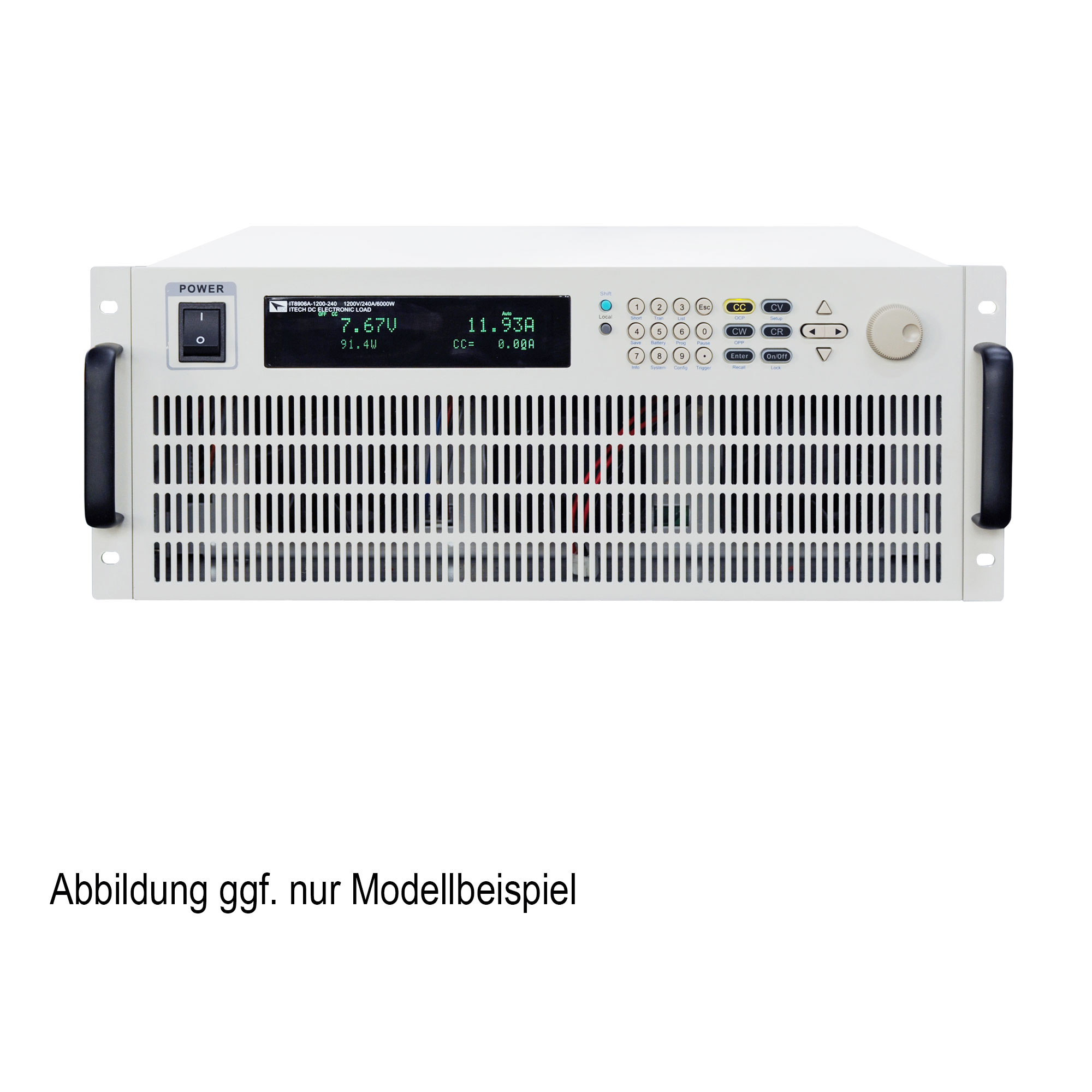
Welcome to Revinetech's specialized category for ITECH DC Electronic Loads. ITECH is an industry leader renowned for manufacturing highly advanced, programmable test equipment that accurately simulates complex, real-world load conditions. Their electronic loads are indispensable tools for characterizing, validating, and stress-testing power sources across demanding sectors like electric vehicle (EV) components, battery energy storage, server power supplies, and renewable energy inverters.
You are seeking a high-performance, flexible instrument that delivers fast transient response, high power dissipation, and comprehensive programming capabilities. Our selection features the complete range of ITECH solutions, including regenerative, multi-channel modular systems, and high-speed benchtop loads. Trust Revinetech to provide the genuine ITECH DC electronic load that delivers superior precision, powerful analysis features, and the certified performance required to ensure the reliability and efficiency of your power devices.
Why ITECH Electronic Loads are Chosen for Advanced Testing
ITECH loads are engineered to move beyond simple sinking of current, acting as intelligent simulators that precisely challenge the stability and performance margins of any power source.
High Speed and Dynamic Load Simulation
The core strength of an ITECH load lies in its ability to simulate rapid changes in power consumption—a mandatory test for modern electronics:
-
Fast Transient Response: ITECH loads feature ultra-fast response times, enabling them to simulate steep load steps accurately. This is critical for measuring the dynamic stability and recovery time of power supplies serving high-speed digital devices.
-
Complex Arbitrary Waveforms: Users can program intricate current waveforms and dynamic load profiles (e.g., sine, pulse, ramp, and complex user-defined curves) to precisely replicate real-world operating scenarios like motor startup or digital processor peaks.
-
Comprehensive Operating Modes: Offers all fundamental modes—Constant Current (CC), Constant Voltage (CV), Constant Resistance (CR), and Constant Power (CP)—for maximum testing versatility.
Regenerative Capability for Energy Efficiency
ITECH is a leader in regenerative technology, offering significant advantages for high-power applications:
-
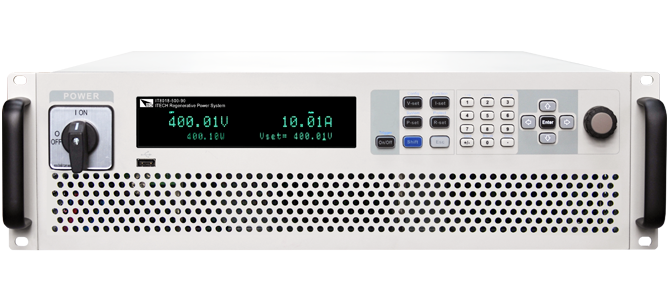
Energy Saving: Regenerative electronic loads convert the DC power they sink from the Device Under Test (DUT)—such as a battery or fuel cell—back into clean AC power and efficiently return it to the utility grid. This drastically reduces energy consumption and cooling costs in high-power test labs.
-
Bidirectional Testing: These loads can seamlessly switch between sinking (load) and potentially sourcing power (depending on the model), making them ideal for complete, energy-efficient battery charge/discharge cycle testing and inverter validation.
Exploring the ITECH DC Electronic Load Categories
Our catalogue features the specialized lines of ITECH electronic loads, categorized by their power level, channel density, and advanced features.
Benchtop and High-Speed Modular Loads
These systems are the backbone of R&D and automated test environments, offering exceptional precision and flexibility:
-
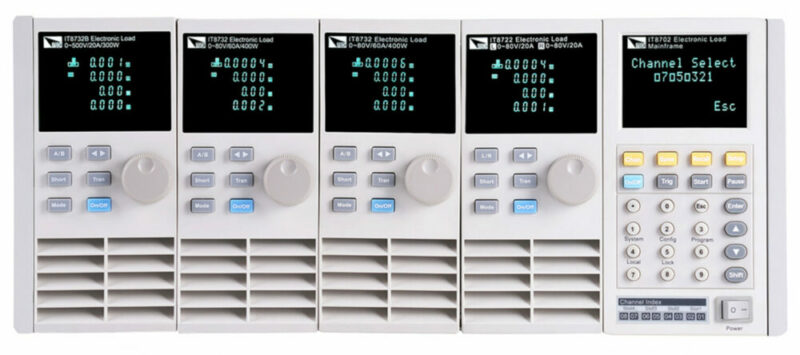
High Channel Density: Modular ITECH systems allow for the integration of multiple, independently controlled load channels within a single chassis, perfect for testing multi-output power supplies or individual cells within a battery pack.
-
Low Noise Measurement: Designed to facilitate accurate measurement of the power source’s ripple and noise under load, a crucial factor for sensitive circuit applications.
-
Standard Communication: Full support for interfaces like USB, LAN, and GPIB ensures simple integration into Automated Test Equipment (ATE) systems for automated testing and data logging.
High-Power, Industrial and Regenerative Systems
These robust solutions are essential for large-scale production testing and high-power applications in the automotive and energy sectors:
-
High Power Density: Capable of sinking kilowatts of power, necessary for large power supply burn-in, EV battery pack discharge, and industrial energy storage system validation.
-
Master/Slave Parallel Operation: Allows multiple load units to be linked and controlled as a single virtual load, easily scaling the total current capacity without sacrificing programming control.
-
Safety Features: Comprehensive protection features, including Overvoltage (OVP), Overcurrent (OCP), and reverse polarity protection, safeguard both the load and the costly DUT.
Integrated Features for Testing Efficiency and Analysis
ITECH loads integrate intelligent software and hardware features that streamline complex test setup and simplify data analysis.
-
Data Logging and Trend Analysis: Provides automated recording of voltage, current, power, and time data during discharge and transient tests, crucial for comprehensive capacity analysis and fault diagnosis.
-
Built-in Battery Test Modes: Dedicated functions simplify the execution of complex battery discharge tests, calculating capacity (Ah) and energy (Wh) while monitoring critical voltage cut-off points.
-
List Mode Sequencing: Allows for the programming of thousands of sequential steps for complex, long-duration testing without requiring constant host PC intervention.
-
Graphical Interface: Intuitive front-panel displays often include graphical functions for real-time visualization of V-I characteristics and load transients, simplifying debugging.
Partner with Revinetech for ITECH Electronic Load Solutions
Selecting the ideal ITECH DC electronic load requires balancing power dissipation, transient response speed, and the necessity of advanced features like regeneration or multi-channel synchronization. Revinetech is your authorized source for the complete ITECH portfolio. Our technical specialists are ready to assist you in matching the certified performance, dynamic speed, and programming capability of the right ITECH load to your specific R&D, manufacturing, or service demands.
Stress-test your power devices with verifiable precision. Browse our catalogue of ITECH DC Electronic Loads today, compare the best regenerative and high-speed modular units, and contact us for expert advice and a personalized quote.
Frequently Asked Questions (FAQs)
What is the primary function of an ITECH DC Electronic Load?
An ITECH DC Electronic Load is a programmable instrument that actively sinks and regulates current from a power source (like a power supply or battery). Its main use is to simulate precise, dynamic, and complex load conditions to test the stability, efficiency, and performance margins of the source.
What is the significance of fast transient response in an electronic load?
Fast transient response means the load can quickly and accurately change the amount of current it is sinking. This speed is essential for simulating the sudden changes in current draw that occur when digital circuits (like CPUs or FPGAs) switch states, allowing engineers to test the power supply’s critical dynamic stability.
How does an ITECH regenerative load save energy during battery testing?
A regenerative electronic load converts the chemical energy drawn from the battery (DC power) back into AC power and returns it to the utility grid. This saves energy and significantly reduces the amount of waste heat generated in the lab, which is crucial for large-scale, high-power battery cycling.
What are the four basic operating modes of an electronic load?
The four basic operating modes are: Constant Current (CC), which sinks a fixed current; Constant Voltage (CV), which forces the source to maintain a set voltage; Constant Resistance (CR), which simulates a static resistive element; and Constant Power (CP), which sinks a fixed power level (watts).
Can an ITECH electronic load be used to test solar panels?
Yes. ITECH electronic loads are excellent for testing solar panels. Using the Constant Voltage (CV) mode, engineers can track the panel's maximum power point (MPPT) performance by sweeping the voltage and measuring the resulting current draw, helping to characterize the panel's efficiency.