DC Power Supplies: Precision Sources for Lab, Test, and Production
Welcome to Revinetech's extensive category for DC Power Supplies....
DC Power Supplies: Precision Sources for Lab, Test, and Production
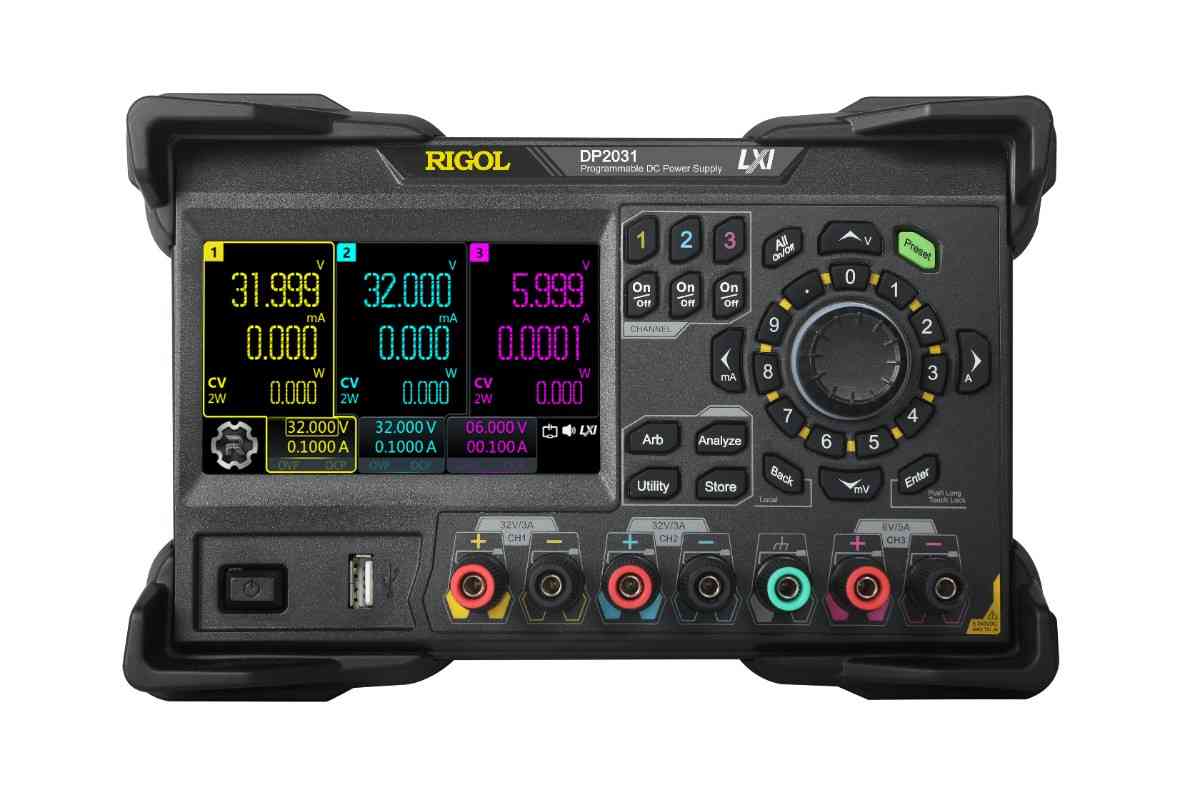
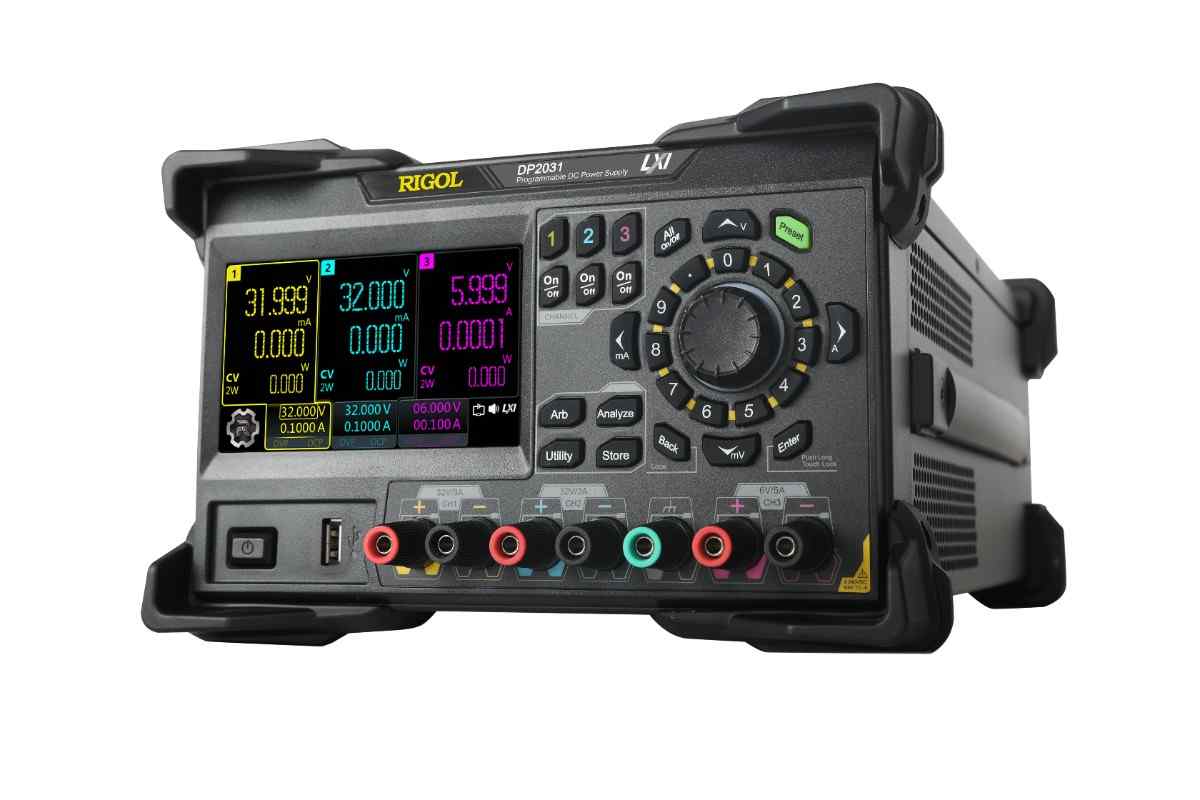
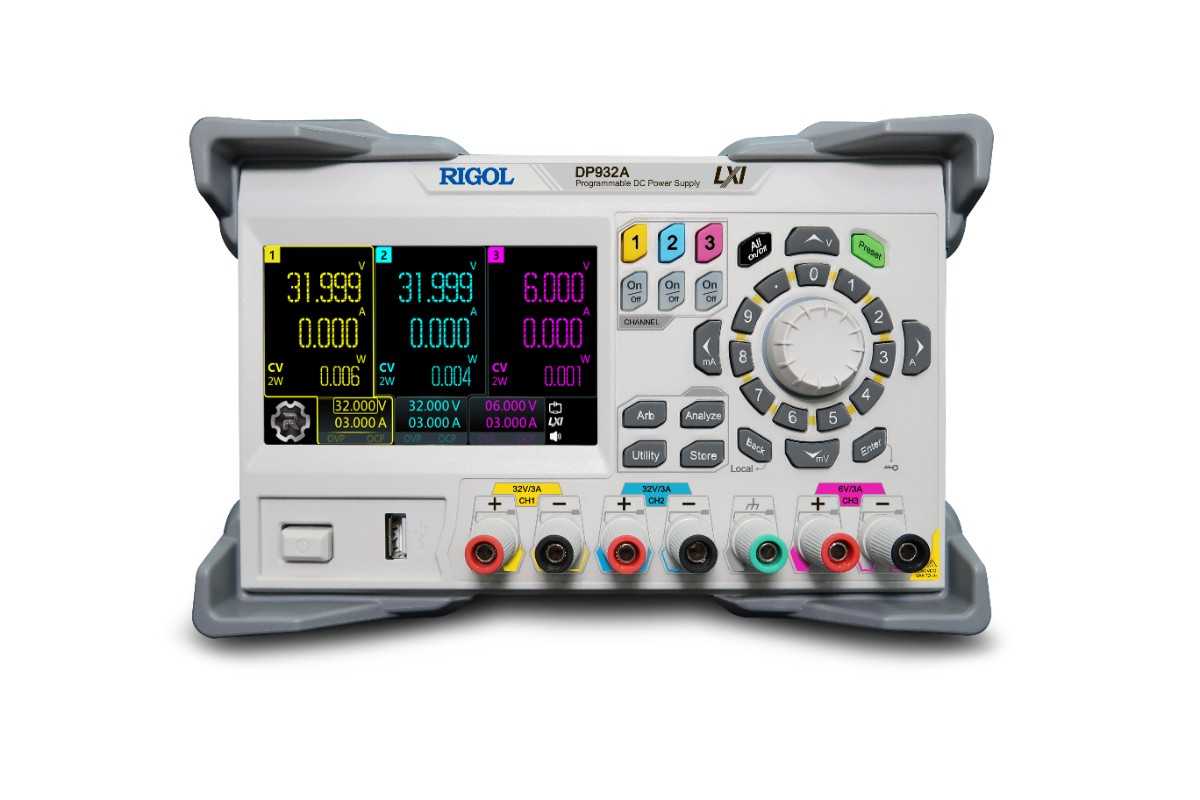
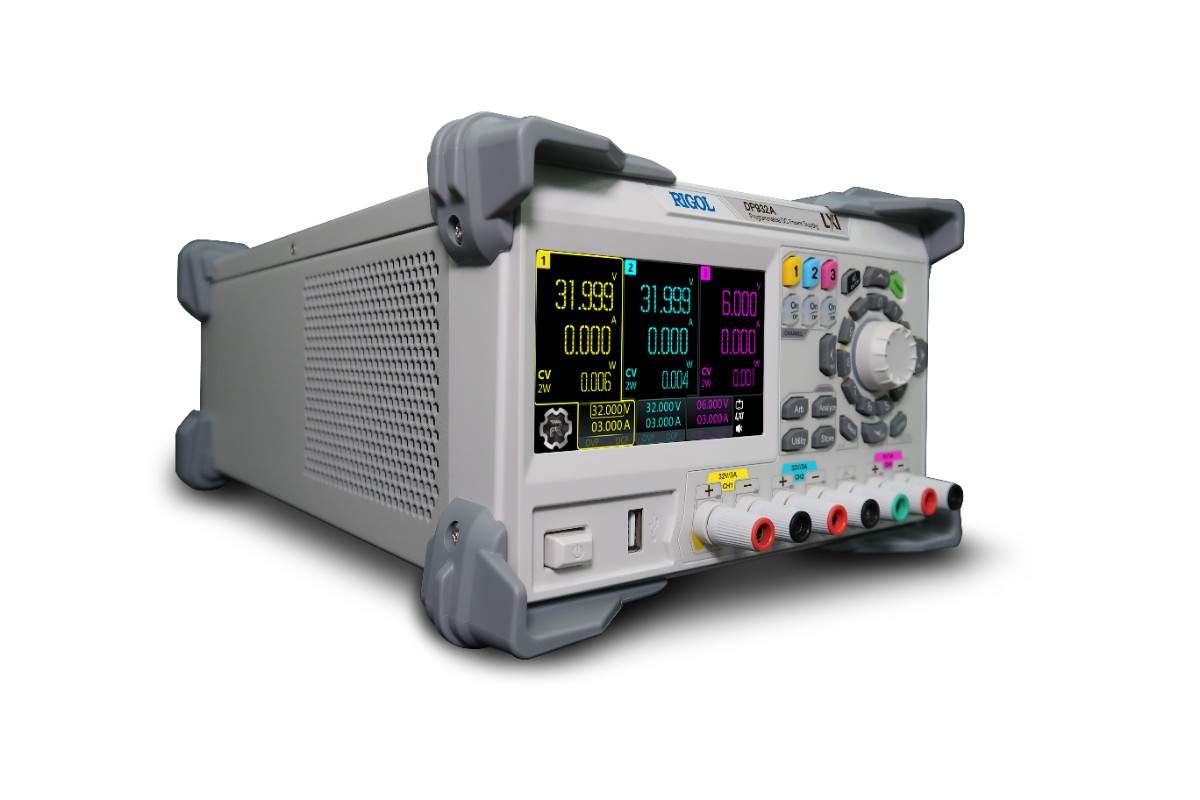
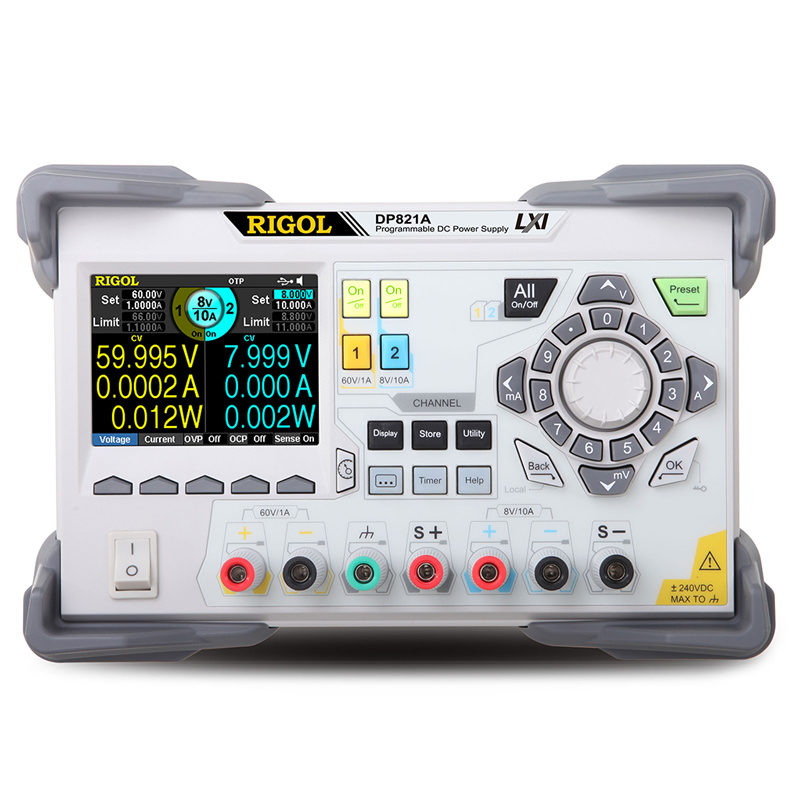
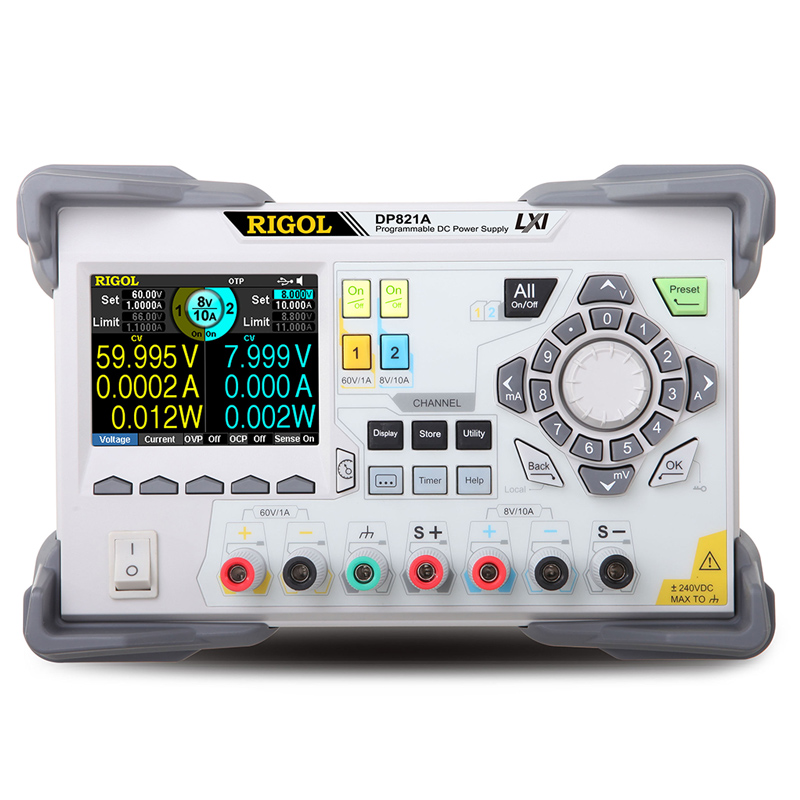
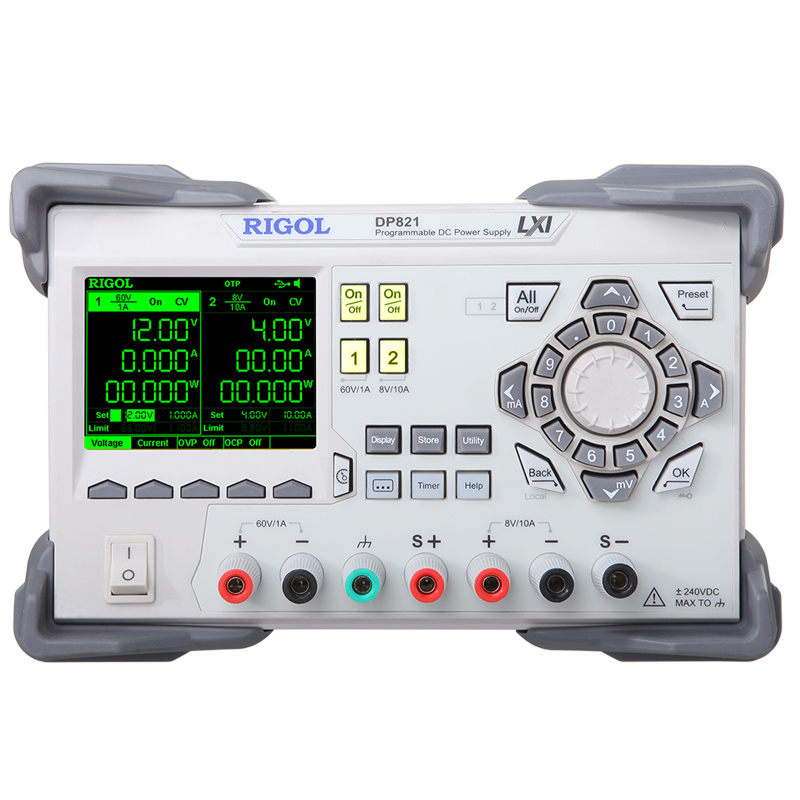
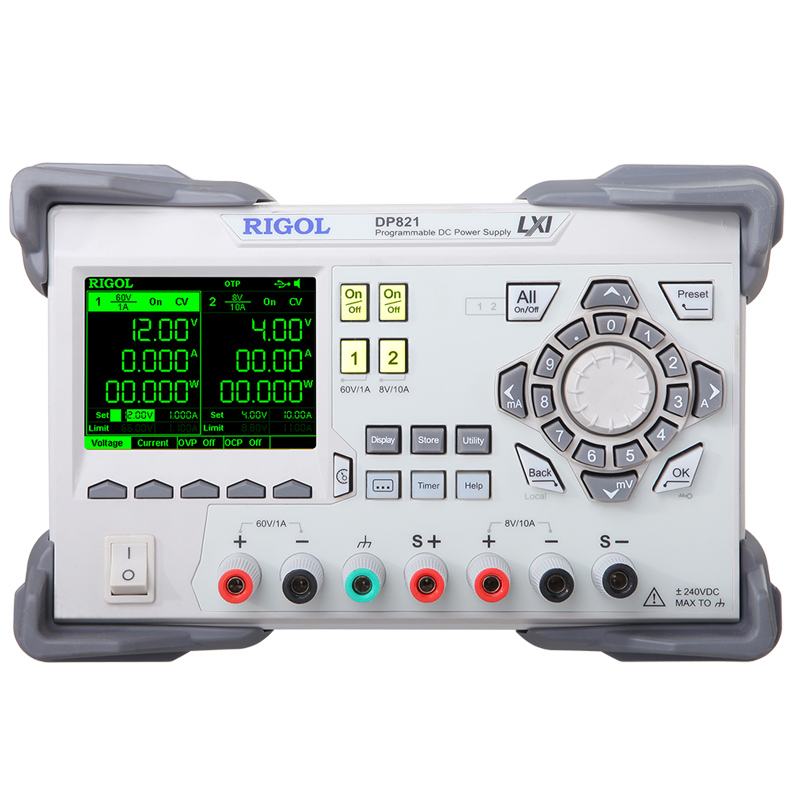
Welcome to Revinetech's extensive category for DC Power Supplies. In every electronics lab, R&D facility, and production line, a reliable, precise DC power supply is the fundamental tool for providing stable, controlled electrical energy. Whether you are debugging a prototype circuit, performing burn-in testing, or characterizing complex electronic components, a high-quality power supply is essential for accurate and safe operation.
You are here seeking a robust instrument that offers excellent regulation, low noise, and the necessary voltage and current outputs for your application. Our selection features the complete range of DC power supplies, including highly stable linear supplies, efficient switching supplies, multi-channel units, and programmable sources from industry-leading manufacturers. Trust Revinetech to provide the genuine lab power supply that delivers the control, safety features, and performance required to power your critical projects.
Why Precision DC Power Supplies Are Indispensable
A power supply does more than simply provide power; it protects your device under test (DUT) and ensures the repeatability of your experimental results. Inferior power sources can introduce noise or voltage spikes that invalidate testing.
Ensuring Safety and Protection for Your Devices
High-quality DC power supplies include essential safety features that protect both the operator and the sensitive electronic circuits being tested:
-
Overvoltage Protection (OVP): Automatically shuts down the output if the voltage exceeds a user-set limit, preventing damage to the DUT from accidental overvoltage conditions.
-
Overcurrent Protection (OCP): Limits or shuts down the output current when a fault or short circuit occurs, protecting the power supply and the DUT from thermal damage.
-
Low Noise and Ripple: Delivers a clean output signal with minimal ripple and noise, which is crucial for testing sensitive analog, RF, and mixed-signal circuits that are easily affected by unwanted voltage fluctuations.
The Versatility of Linear vs. Switching Supplies
The choice between power supply architectures depends on the priority given to efficiency, size, and noise:
-
Linear Power Supplies: Known for providing the cleanest, lowest-noise output with excellent regulation. They are the preferred choice for noise-sensitive analog, audio, and high-precision electronic circuit testing.
-
Switching Power Supplies: Highly efficient, compact, and lightweight. These supplies handle high power outputs and are often used for general bench work, high-current applications, and burn-in testing where noise is less critical than efficiency and size.
Exploring Our DC Power Supply Categories
Our catalogue is structured to help you quickly find the DC power supply that matches your required output, control method, and channel count.
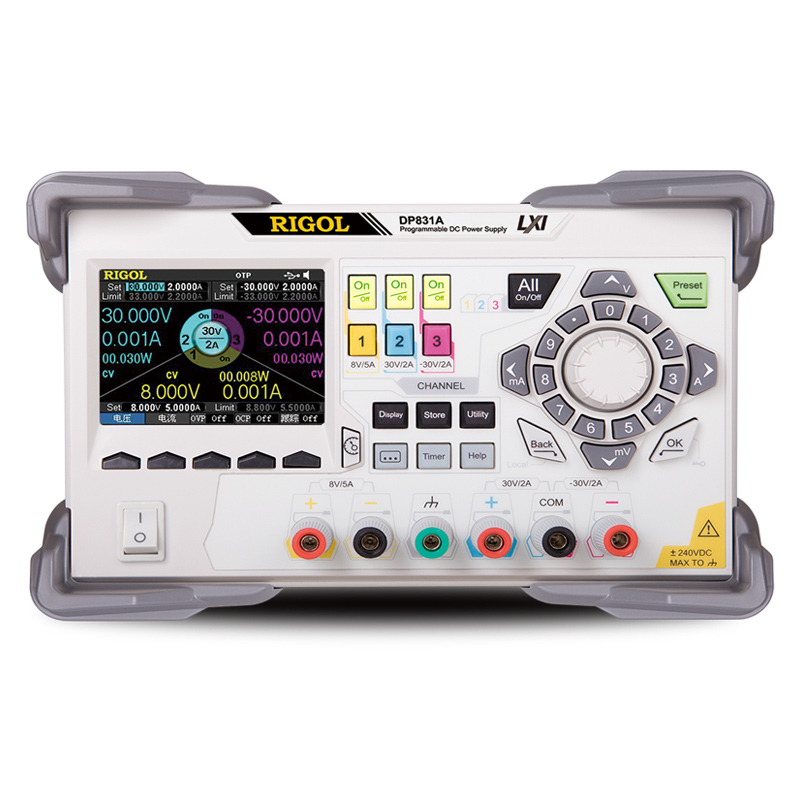
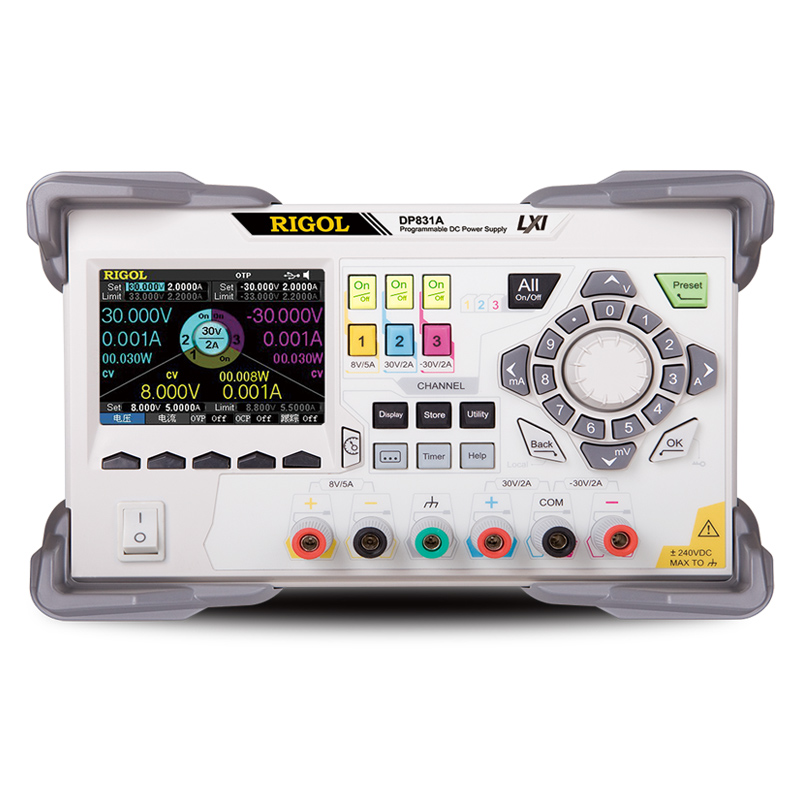
Benchtop Programmable DC Power Supplies
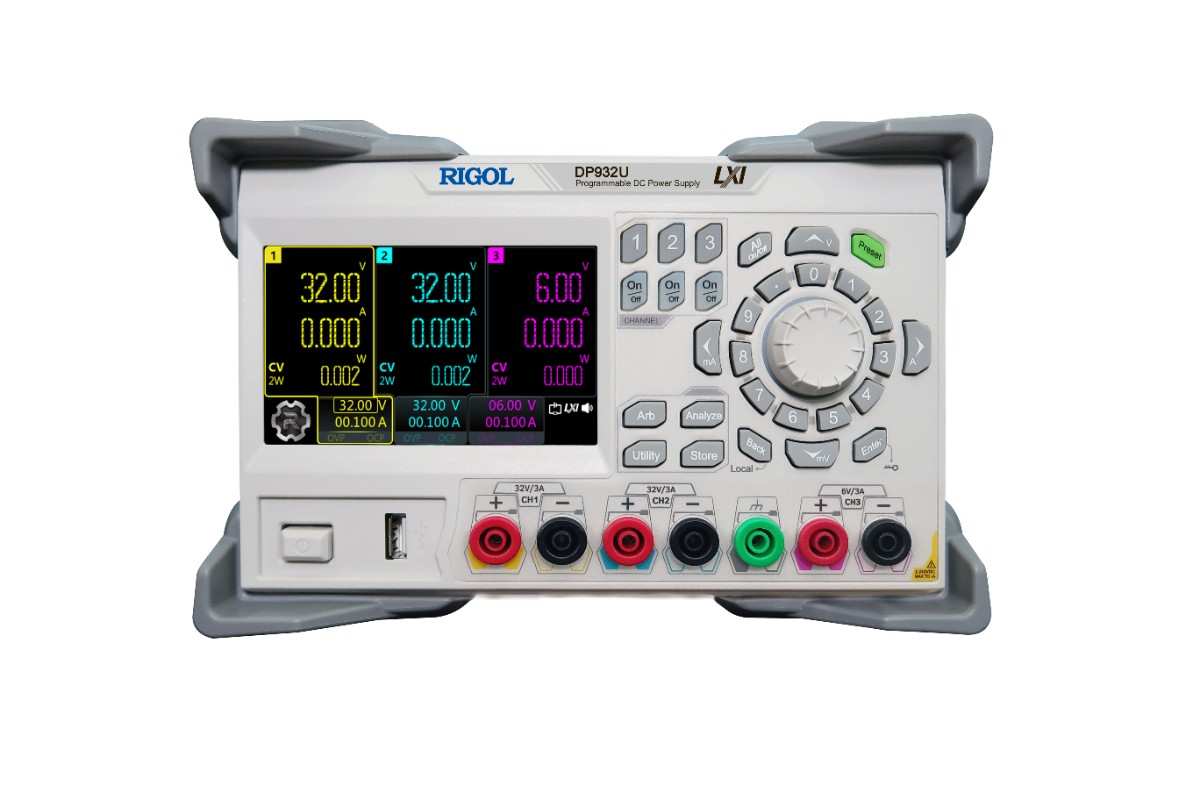
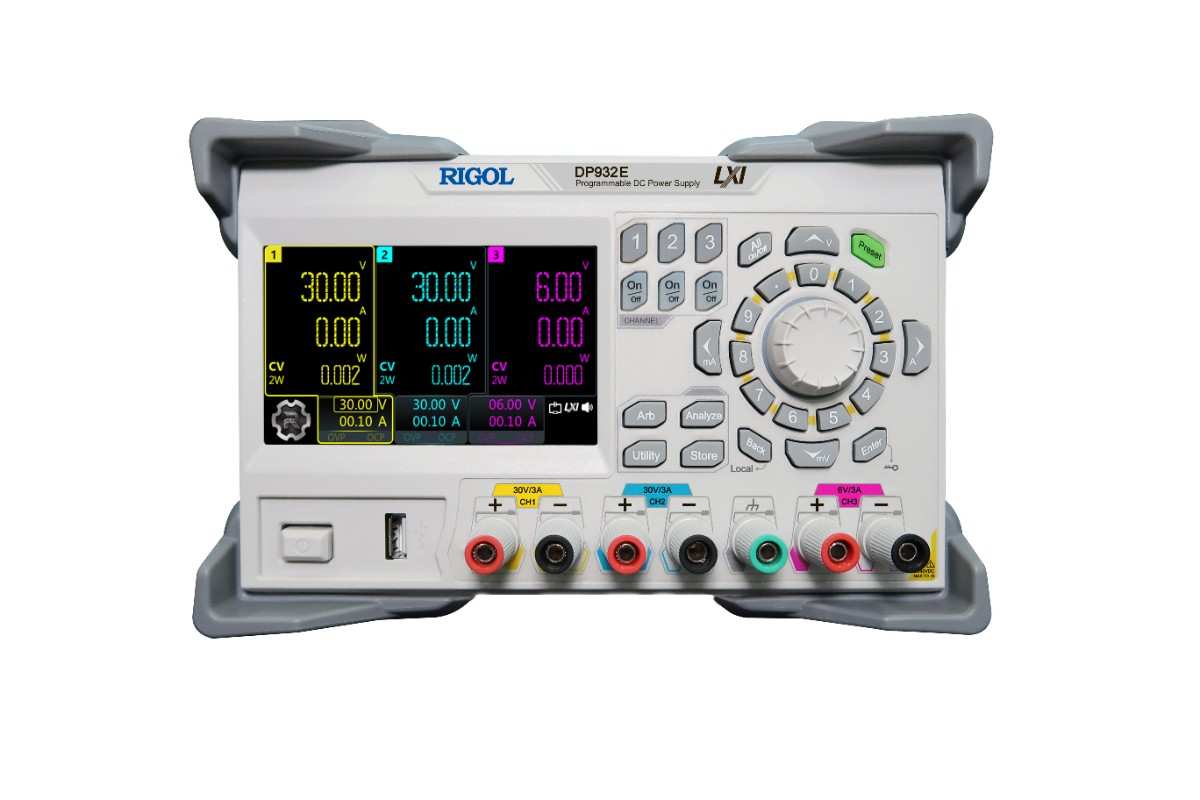
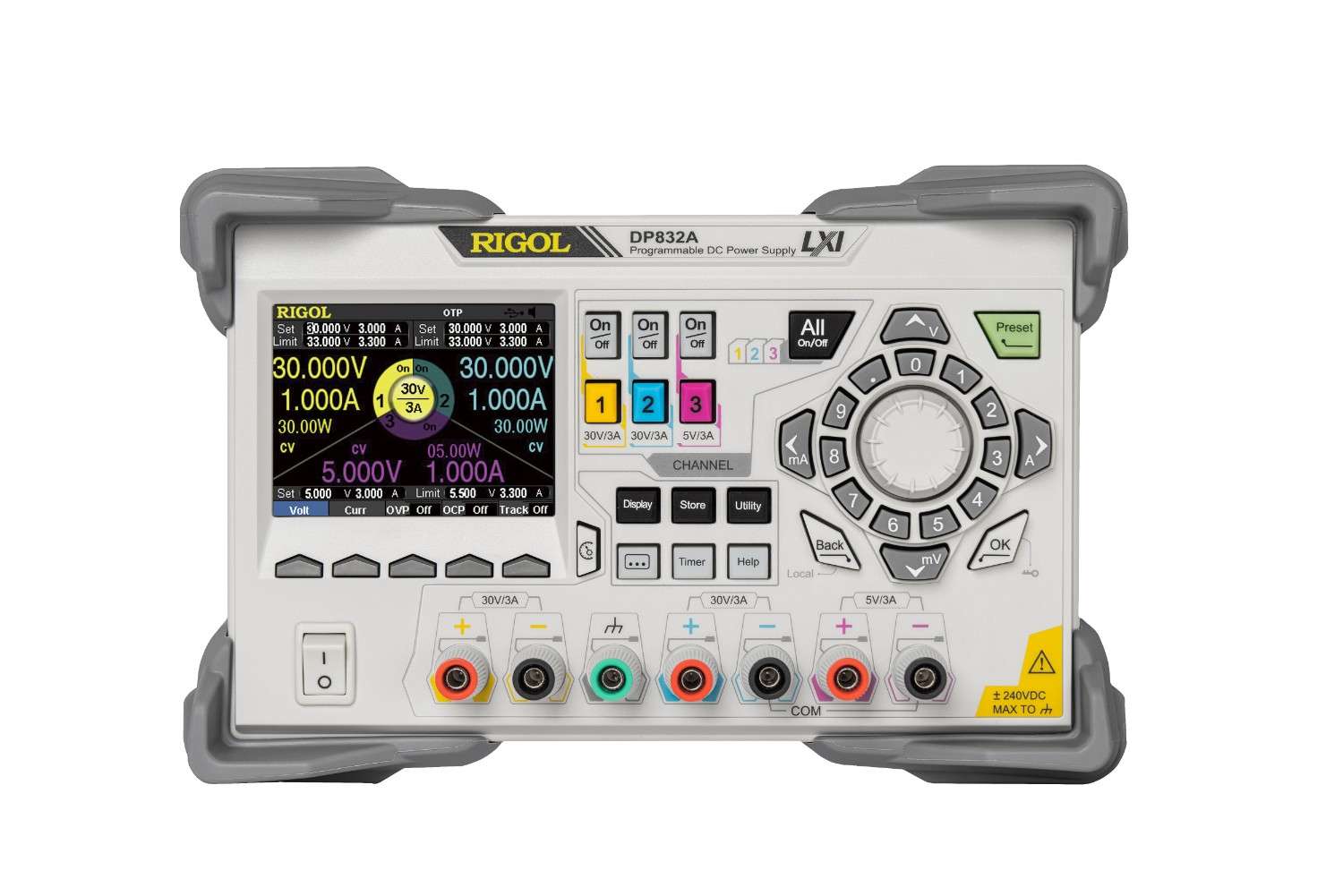
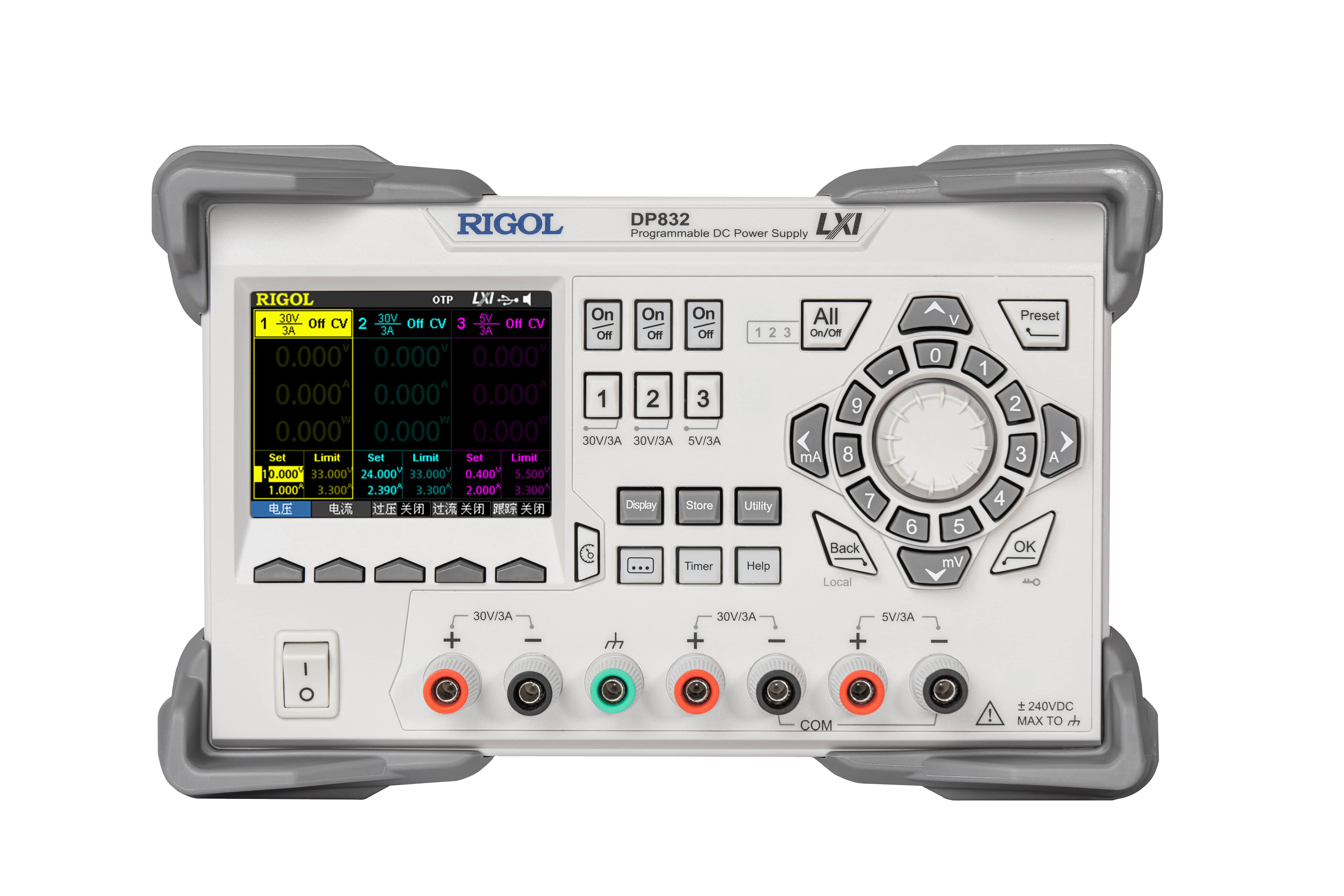
These instruments are the workhorses of R&D and automated test environments. They offer high accuracy and digital control:
-
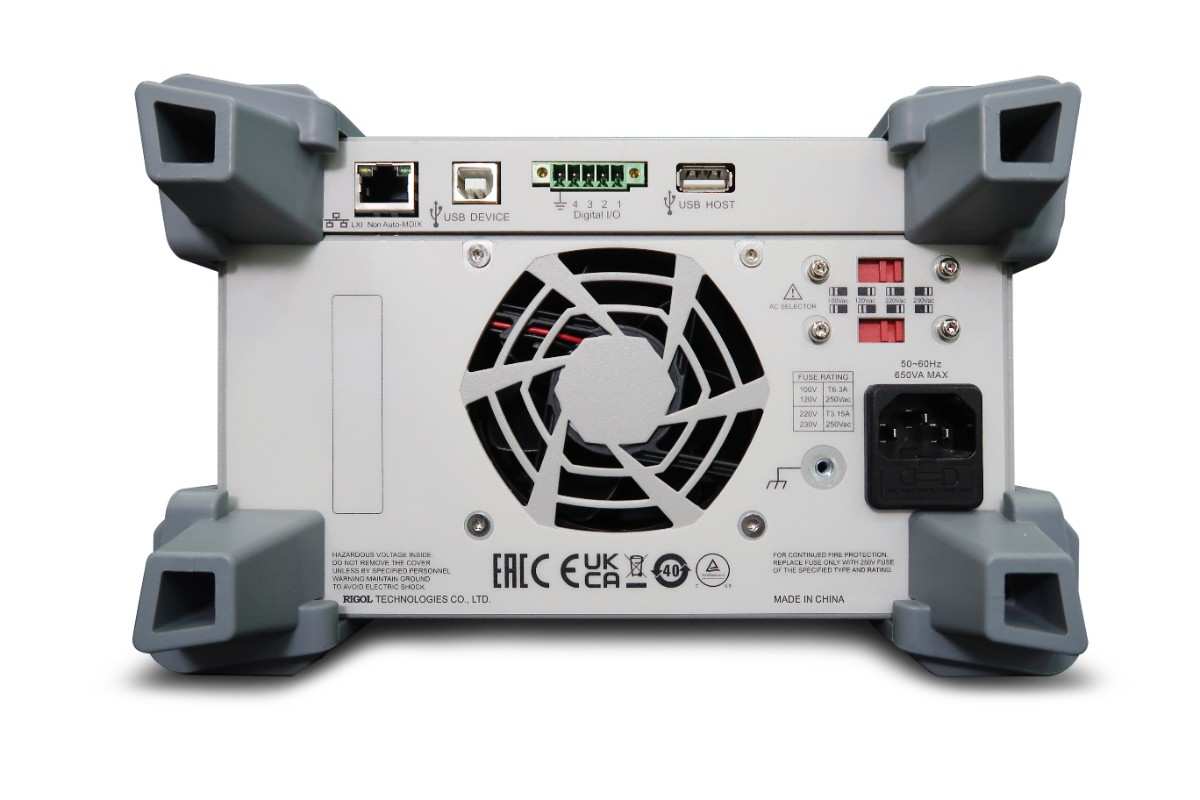
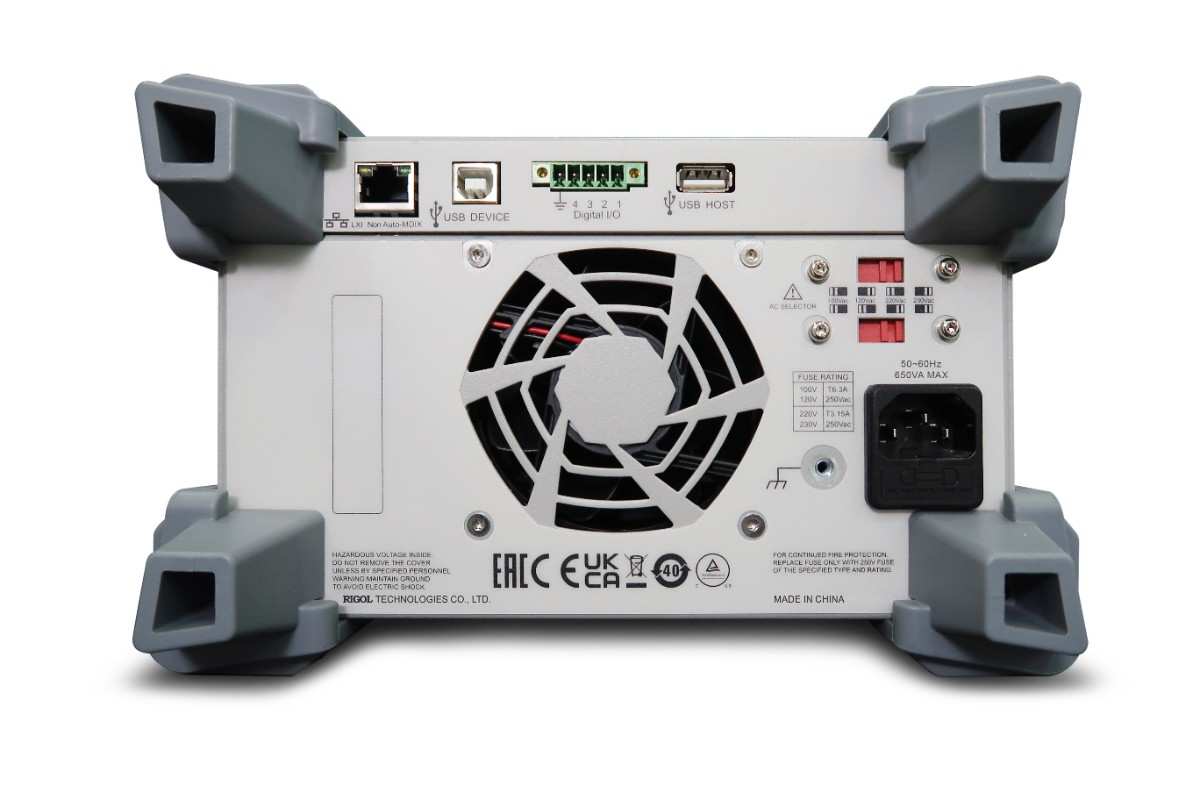
Remote Control: Full support for standard communication interfaces (GPIB, USB, LAN) allows for integration into Automated Test Equipment (ATE) systems for automated testing and data logging.
-
Sequencing and Scripting: Advanced models allow users to program complex voltage and current sequences, essential for simulating transients, battery discharge curves, or complex power-up procedures.
-
High Resolution: Provides fine-grained control over output voltage and current settings, crucial for characterizing precise voltage-current relationships.
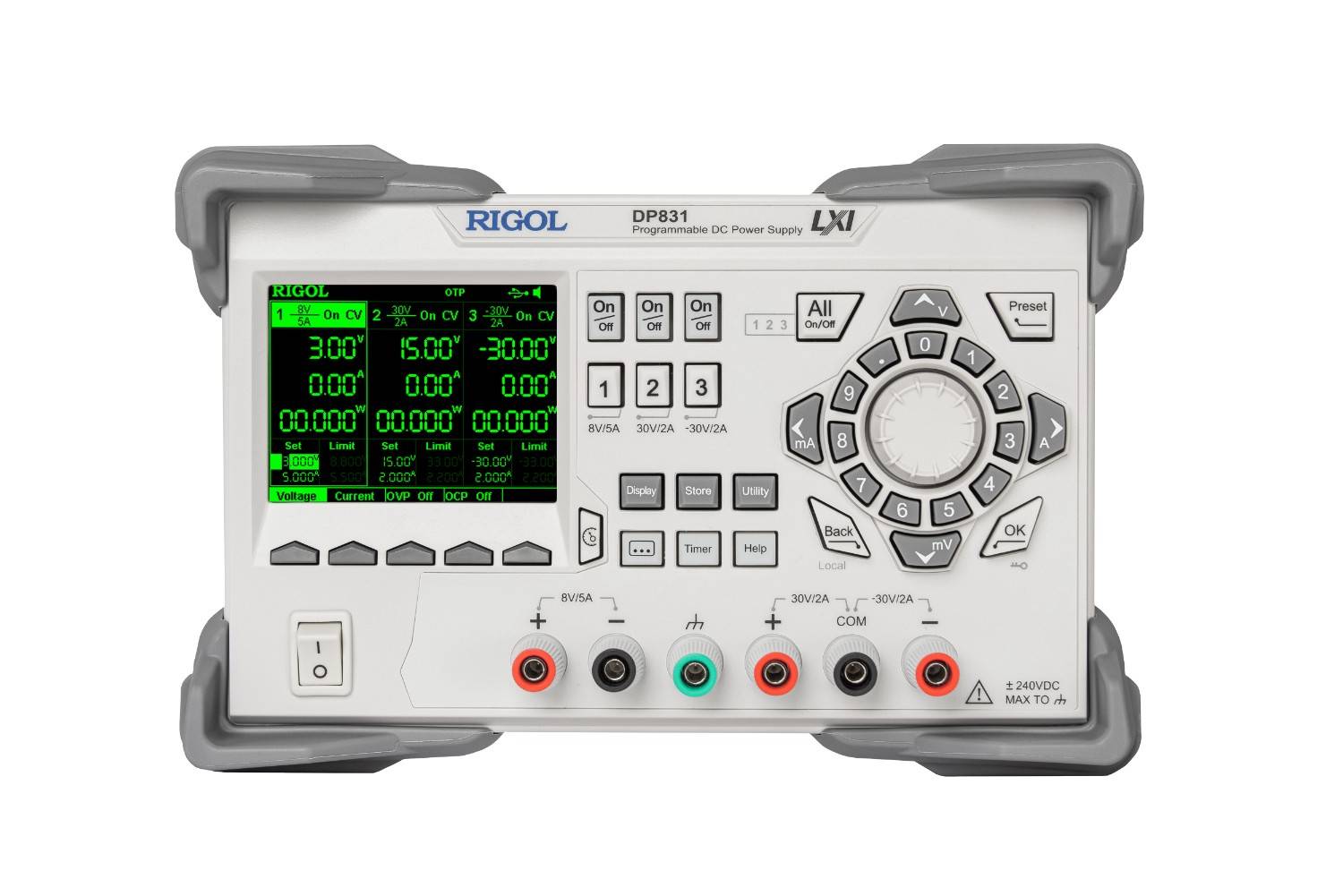
Multi-Channel and Triple-Output Supplies
For testing circuits requiring multiple, isolated voltage rails, multi-channel supplies are indispensable. These are standard in digital and mixed-signal design:
-
Isolated Outputs: Provides two, three, or more completely independent and isolated DC outputs, allowing simultaneous powering of different parts of a circuit (e.g., analog, digital, motor drive) without ground loop interference.
-
Tracking Mode: Enables two or more outputs to be linked together, maintaining a proportional relationship to the master voltage setting, simplifying dual-rail power setups.
-
Series/Parallel Operation: Outputs can be connected in series for higher voltage or in parallel for higher current, offering maximum flexibility.
High-Power and Industrial DC Sources
These rugged supplies are built for demanding industrial applications, including battery simulation, magnet powering, and large-scale component testing:
-
High Current/Voltage: Designed to deliver hundreds or thousands of watts of power necessary for large-scale production testing and high-power electronics development.
-
Source and Sink Capabilities: Specialized models can function as both a source (providing power) and a sink (absorbing power), which is essential for battery charging/discharging and regenerative testing applications.
Integrated Features for Enhanced Lab Efficiency
Modern DC power supplies integrate intelligent features that enhance both safety and productivity.
-
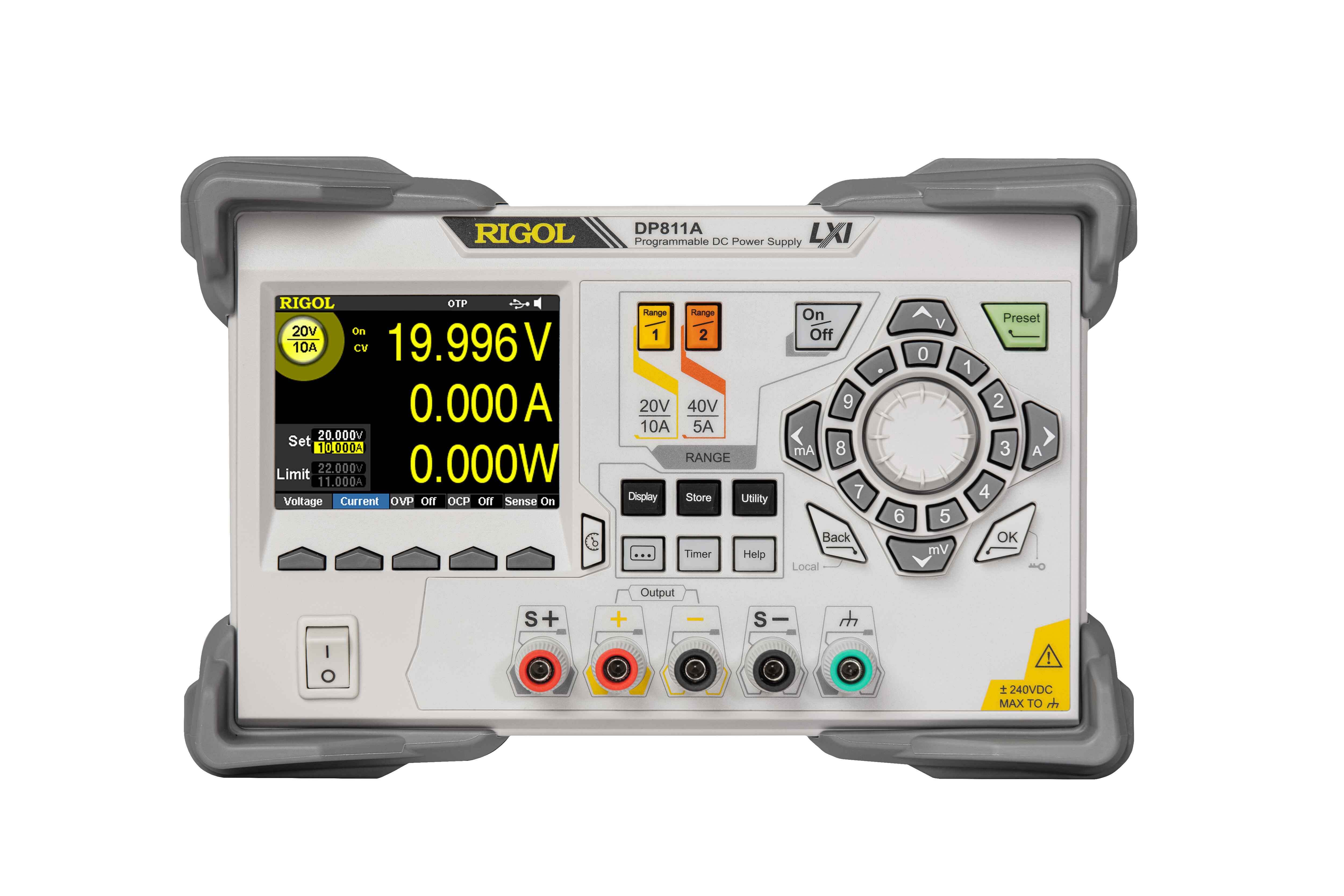
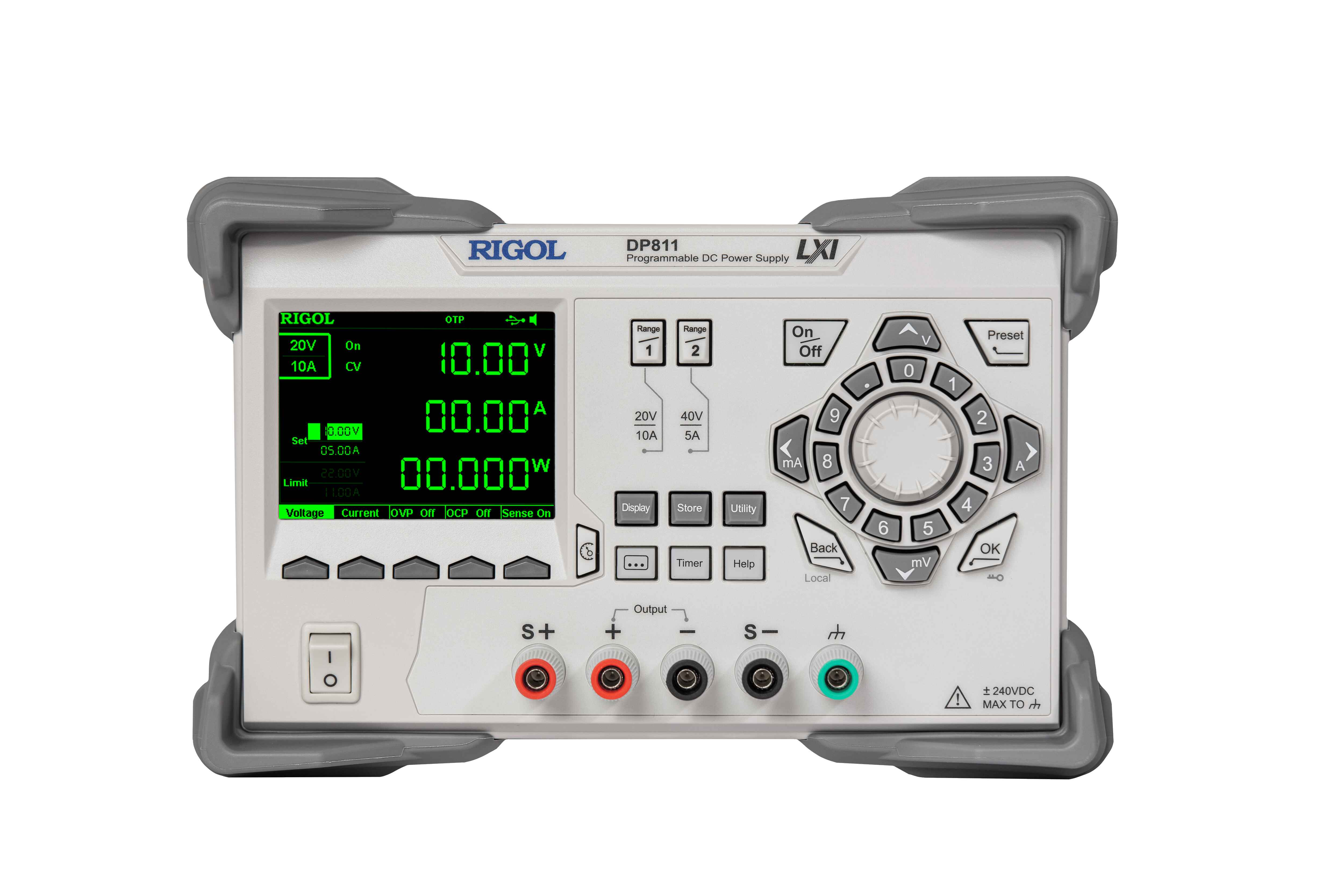
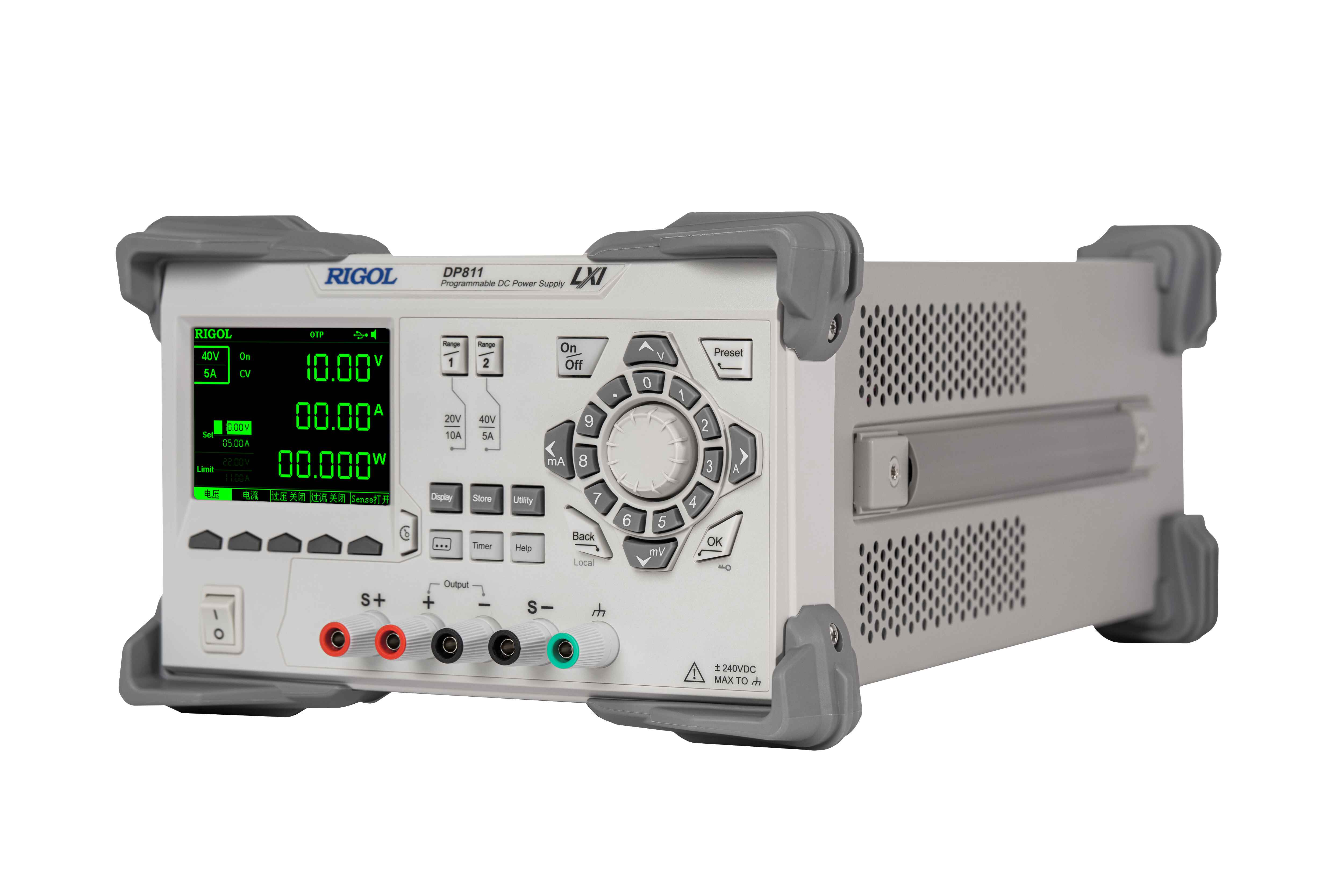
Graphical Displays: High-resolution color displays allow for real-time visualization of voltage, current, and power trends, simplifying monitoring and debugging.
-
Data Logging: Built-in memory or PC connectivity allows for automated recording of output parameters over time, crucial for identifying intermittent faults or logging long-term stability.
-
Sense Terminals: Remote sensing capability compensates for voltage drops across the load wires, ensuring the exact voltage setpoint is delivered directly to the Device Under Test (DUT).
Partner with Revinetech for Precision DC Power
Selecting the ideal DC power supply requires balancing required output specifications (voltage/current), channel count, and the critical need for low ripple and noise. Revinetech is your authorized source for the complete range of precision power supplies. Our technical specialists are ready to assist you in matching the safety rating, stability, and programming capability of the right lab power supply to your specific R&D, manufacturing, or service demands.
Ensure your circuits are powered accurately and safely. Browse our catalogue of DC Power Supplies today, compare the best single and multi-channel programmable units, and contact us for expert advice and a personalized quote.
Frequently Asked Questions (FAQs)
What is the difference between a linear and a switching DC power supply?
A linear power supply uses a large transformer and pass transistor for regulation, resulting in a very clean, low-noise output but lower efficiency. A switching power supply uses high-frequency switching to regulate power, making it lighter and highly efficient, but often with higher ripple and noise content.
Why are multi-channel DC power supplies necessary?
Multi-channel supplies are necessary for testing electronic circuits that require two or more separate, isolated voltage rails (e.g., a digital 3.3V rail and an analog 5V rail). Isolation prevents ground loops between the rails, ensuring independent and stable power delivery.
What is Overvoltage Protection (OVP) on a power supply?
Overvoltage Protection (OVP) is a crucial safety feature that automatically shuts down the power supply output if the voltage inadvertently exceeds a user-defined maximum limit. This prevents potentially catastrophic damage to the sensitive components of the Device Under Test (DUT).
What is remote sensing, and when should I use it?
Remote sensing uses a pair of sense wires connected directly to the load terminals. The power supply uses these wires to measure the voltage exactly at the DUT and compensates for any voltage drop caused by the resistance of the load wires, ensuring the target voltage is delivered precisely where it is needed.
What does "programmable" mean for a DC power supply?
A programmable DC power supply allows its output voltage and current to be controlled remotely via a digital interface (like USB, GPIB, or LAN). This capability is essential for integrating the supply into automated test systems (ATE) for executing complex, sequential, or repetitive tests without manual intervention.