Sealevel USB Serial Adapters: Reliable Connectivity for Industrial and Embedded Systems
Welcome to Revinetech's dedicated category fo...
Sealevel USB Serial Adapters: Reliable Connectivity for Industrial and Embedded Systems
Welcome to Revinetech's dedicated category for Sealevel USB Serial Adapters. Sealevel Systems is a recognized leader in providing robust, high-reliability connectivity solutions essential for industrial control, laboratory automation, retail point-of-sale (POS), and embedded applications. Their USB serial adapters are designed specifically to overcome the common issues of noise, voltage fluctuation, and driver instability often encountered with standard consumer-grade peripherals.
You are seeking trustworthy, industrial-grade interfaces to reliably connect legacy RS-232, RS-422, or RS-485 devices to modern USB-enabled computers and systems. Our selection features the complete range of Sealevel USB serial solutions, offering multi-port options, enhanced surge protection, extended temperature range support, and various form factors. Trust Revinetech to provide the genuine Sealevel adapter that delivers certified durability, robust driver support, and the reliable communication link necessary for your critical data acquisition and control systems.
Why Sealevel USB Serial Adapters Are the Industrial Standard
Sealevel adapters are engineered for mission-critical applications where data integrity and continuous operation are non-negotiable. They provide superior protection and stability far exceeding standard retail converters.
Reliability and Protection for Harsh Environments
Sealevel adapters are built to industrial standards to ensure consistent performance in challenging settings:
-
Enhanced Surge Protection: Features built-in transient suppression and galvanic isolation (on select models) to protect both the host computer and the connected serial device from voltage spikes and ground loops common in industrial environments.
-
Robust Construction: Designed for durability, often featuring metal enclosures and high-quality components capable of operating reliably across an extended temperature range.
-
Stable Driver Support: Sealevel provides long-term, reliable driver support for all major operating systems (Windows, Linux, macOS), ensuring seamless installation and preventing compatibility issues common with generic chips.
Versatile Protocol and Multi-Port Support
Sealevel’s extensive product line covers all common serial communication standards, ensuring compatibility with virtually any industrial device:
-
RS-232: The standard interface for modems, printers, and simple data devices, featuring point-to-point communication. Sealevel ensures full modem control signals for complete compatibility.
-
RS-422/RS-485: Essential for industrial control and multi-drop networking. RS-485 supports half-duplex, multi-point communication over long distances, crucial for connecting PLCs, sensors, and remote terminal units (RTUs).
-
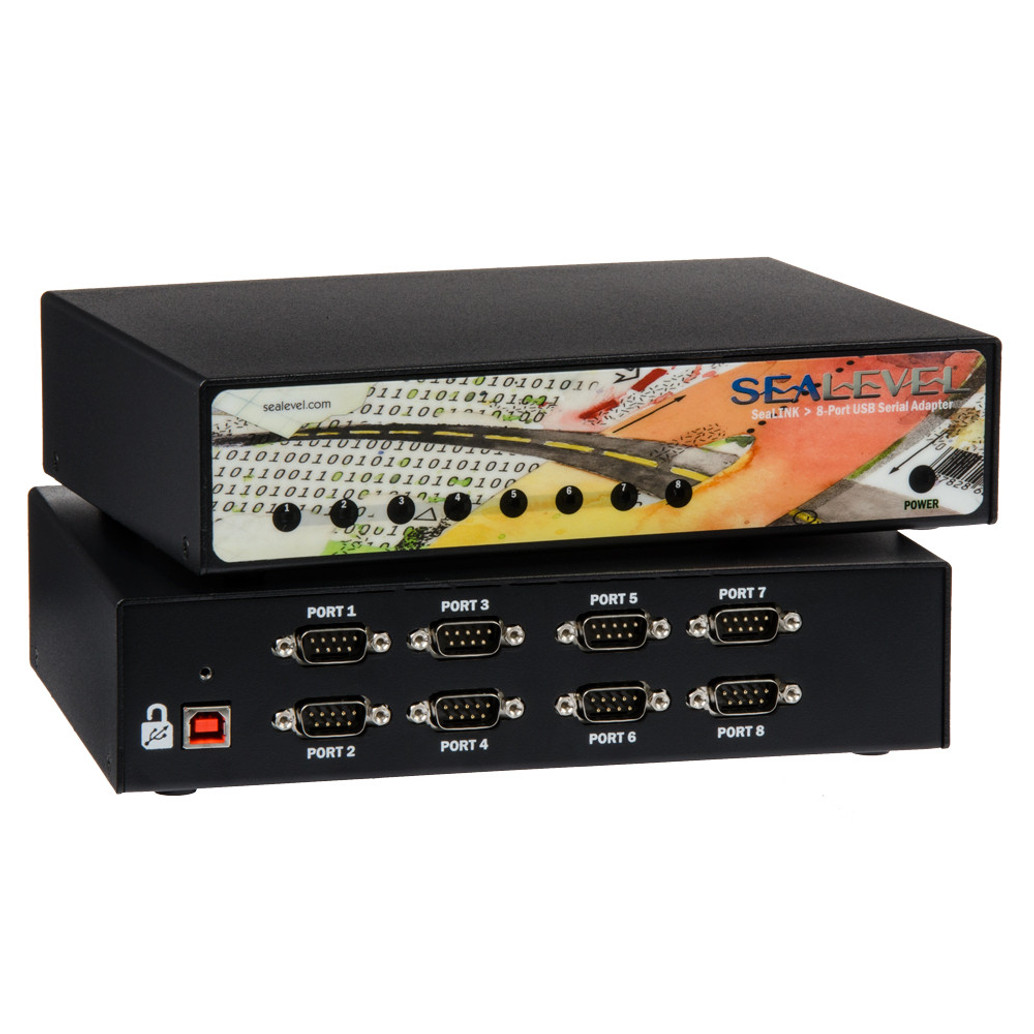
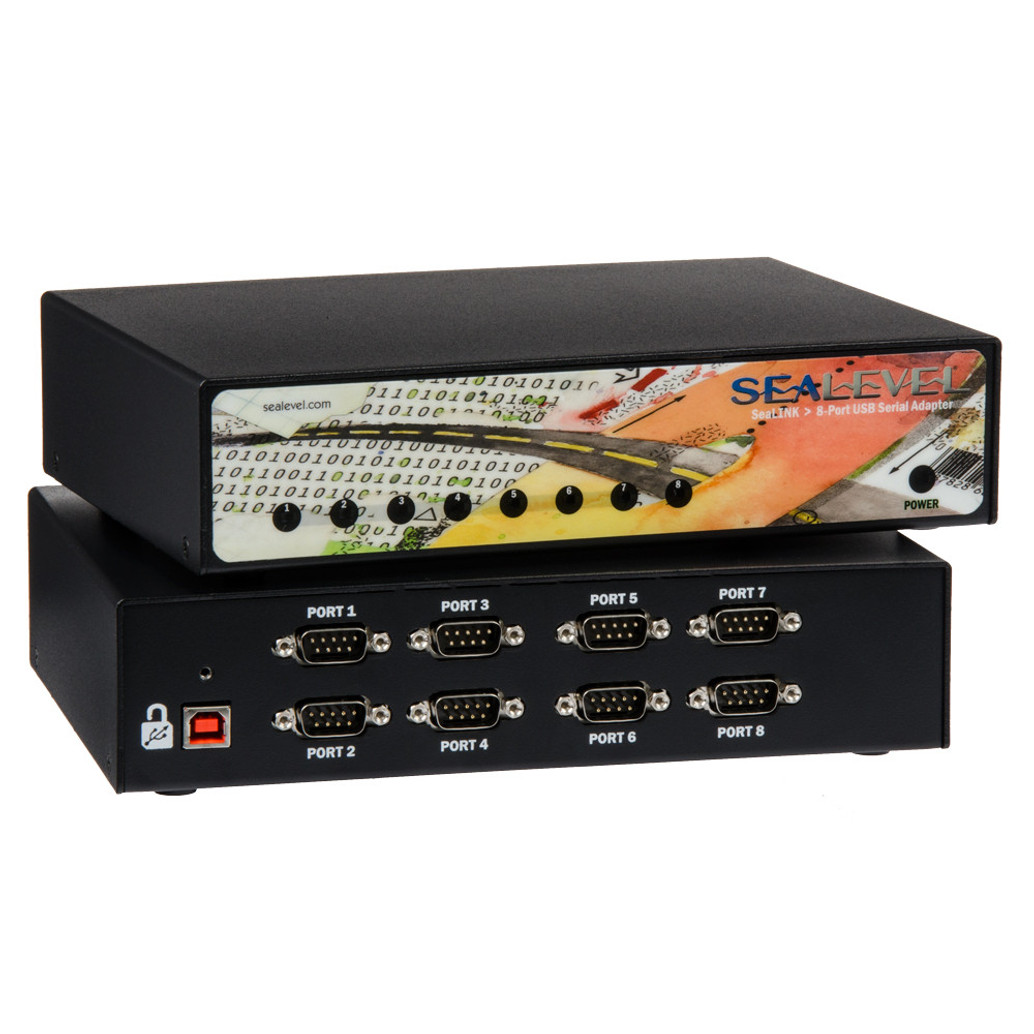
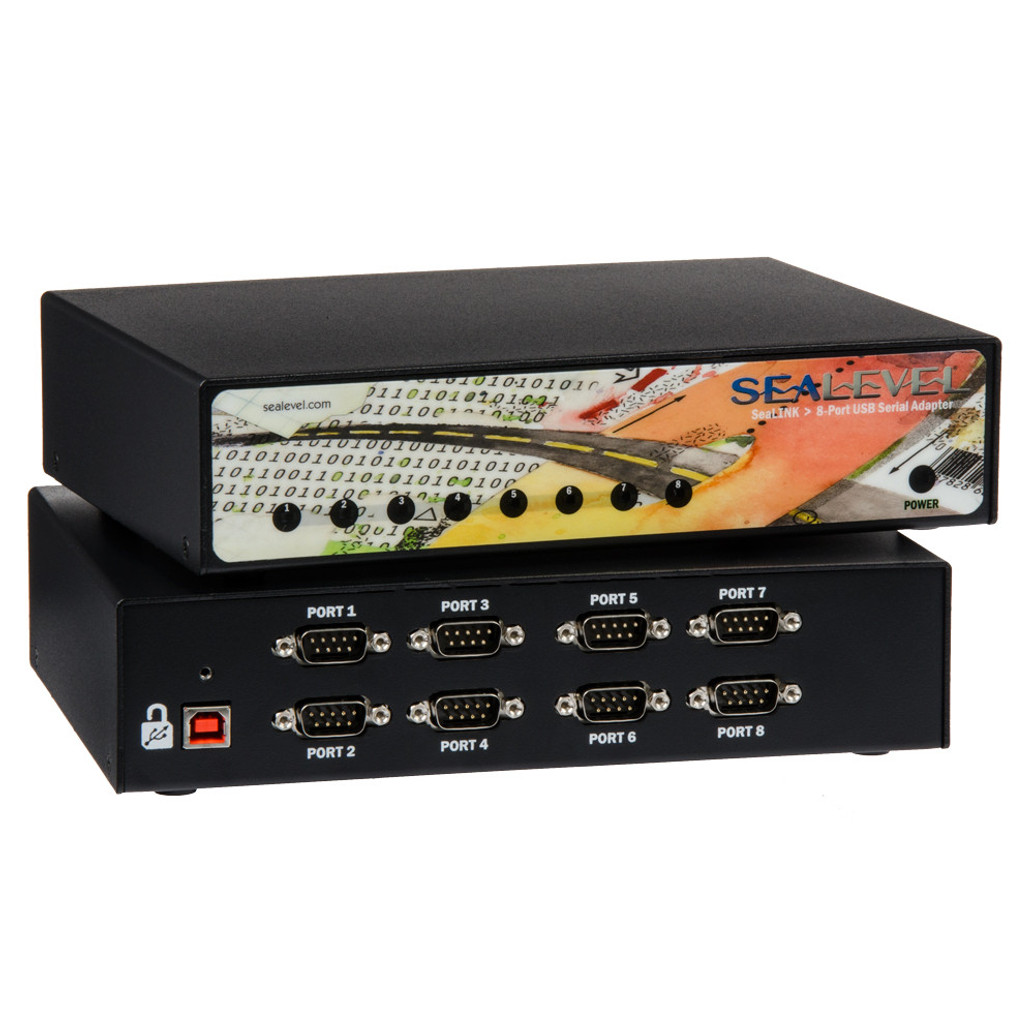
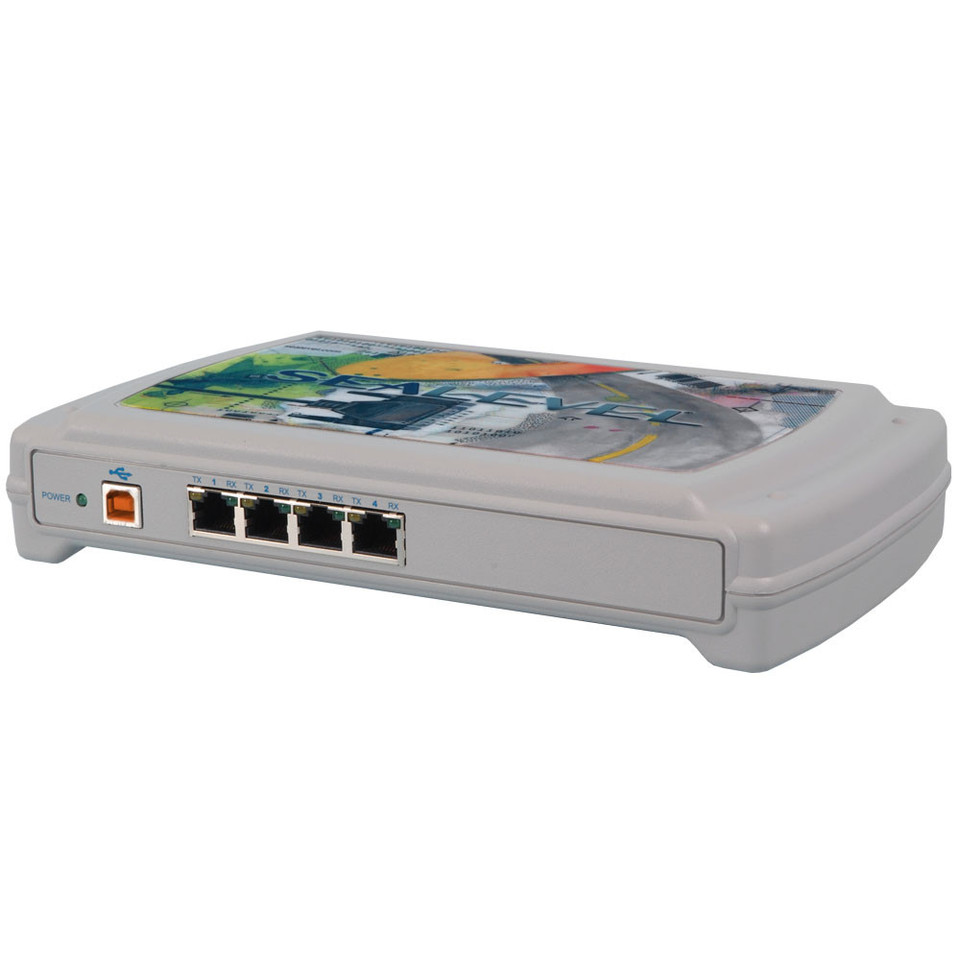
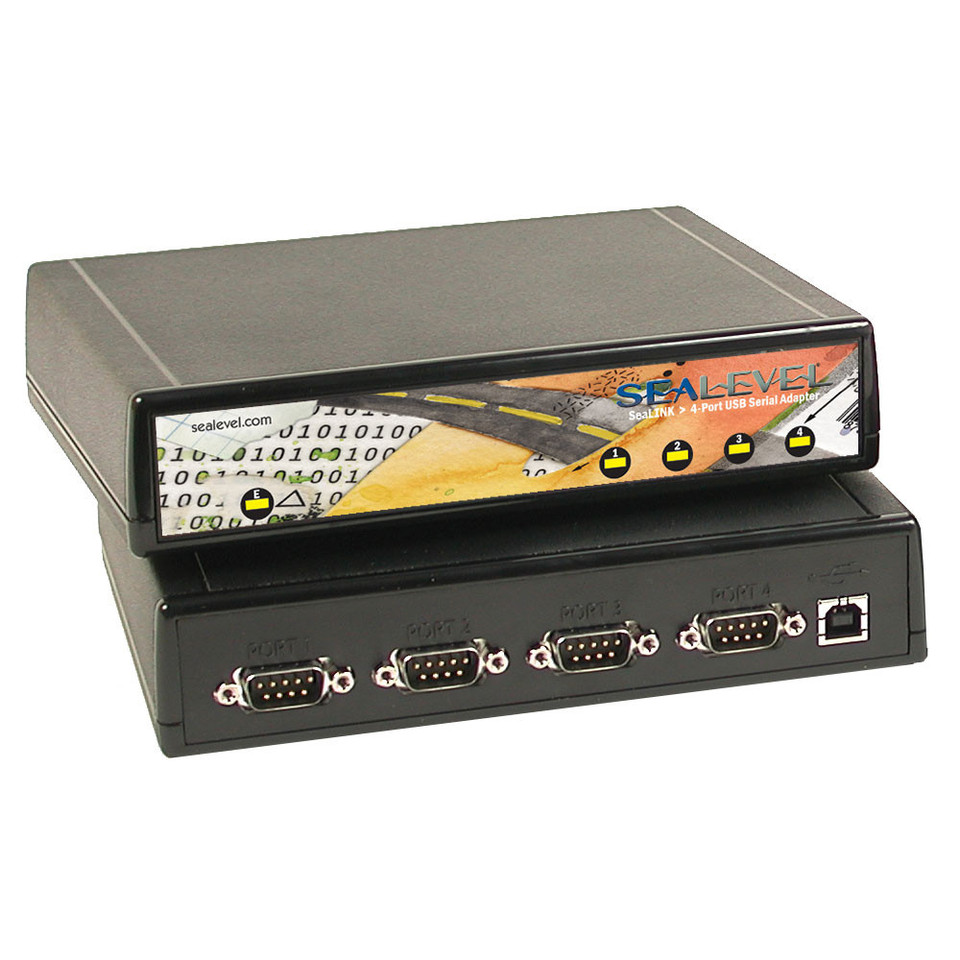
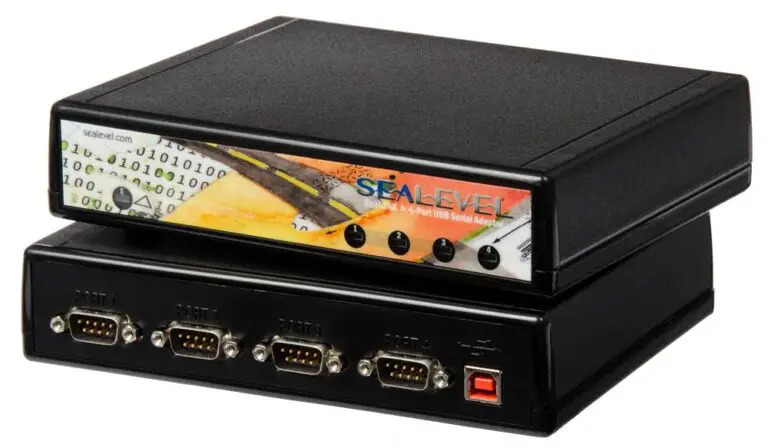
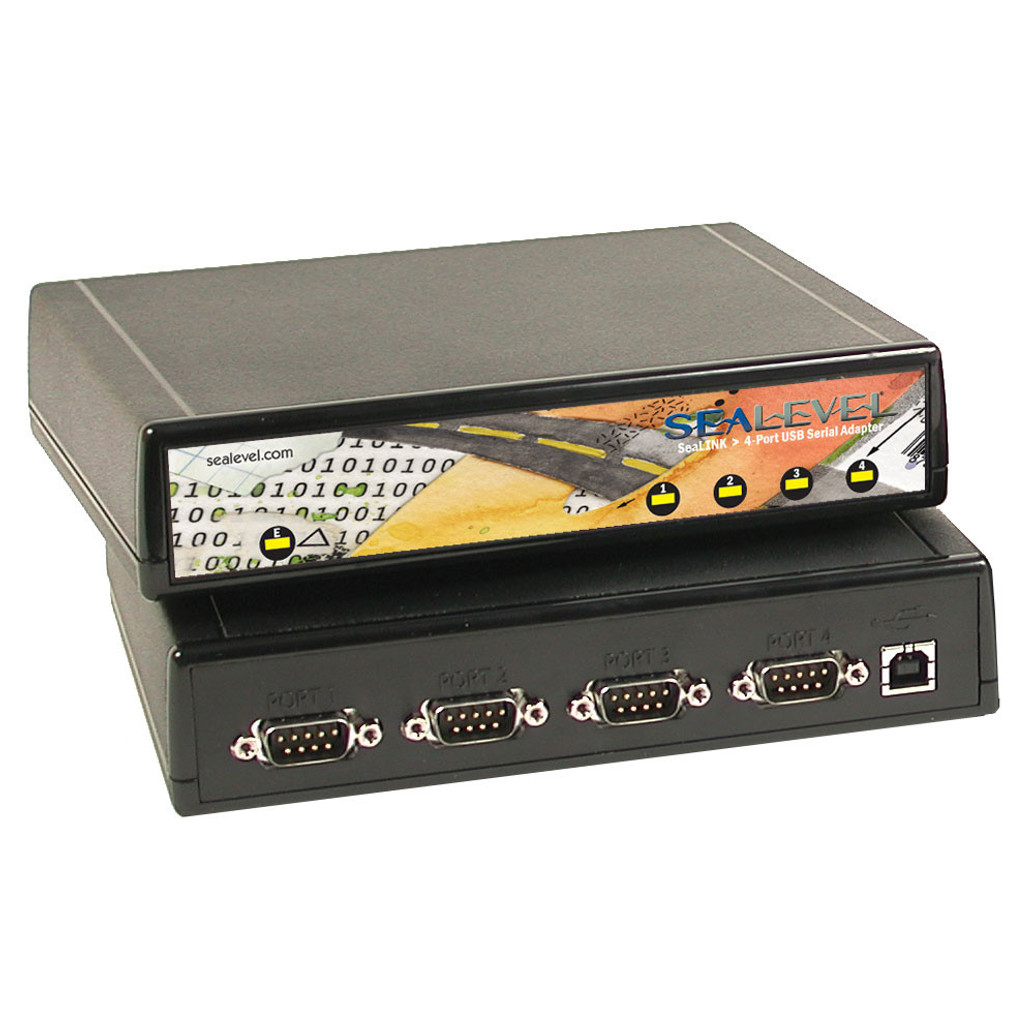
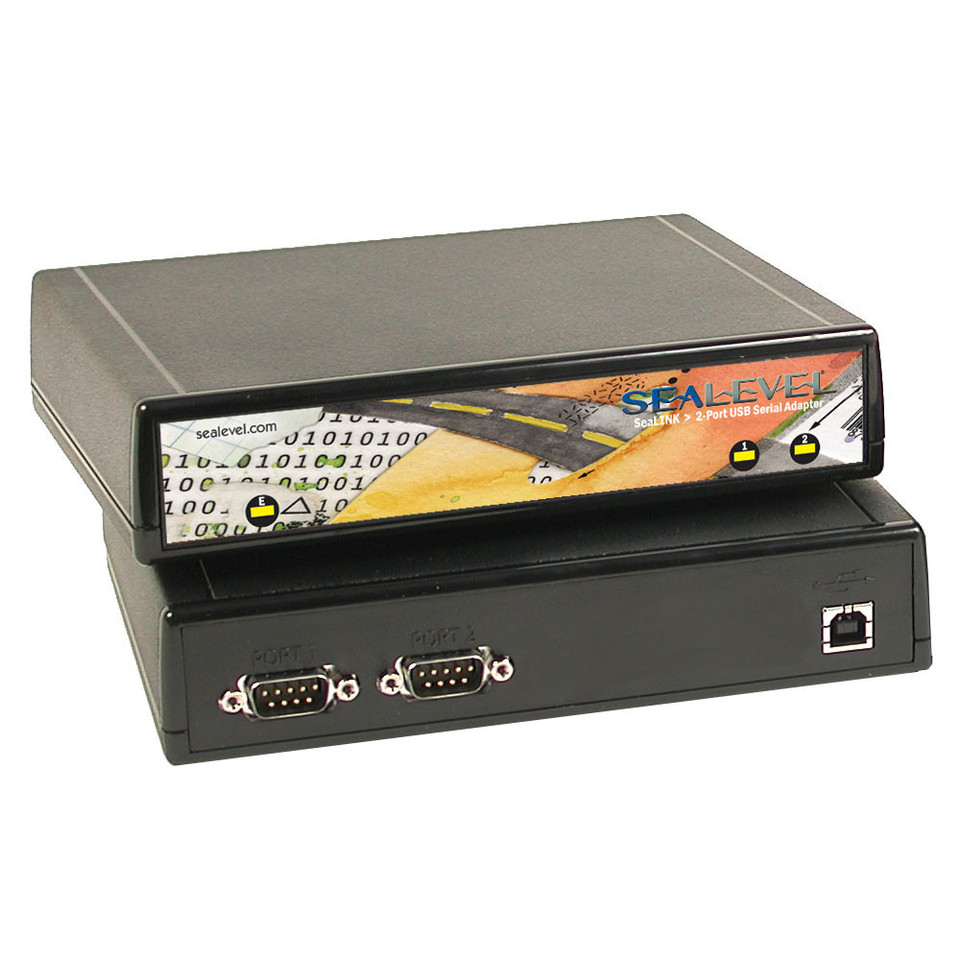
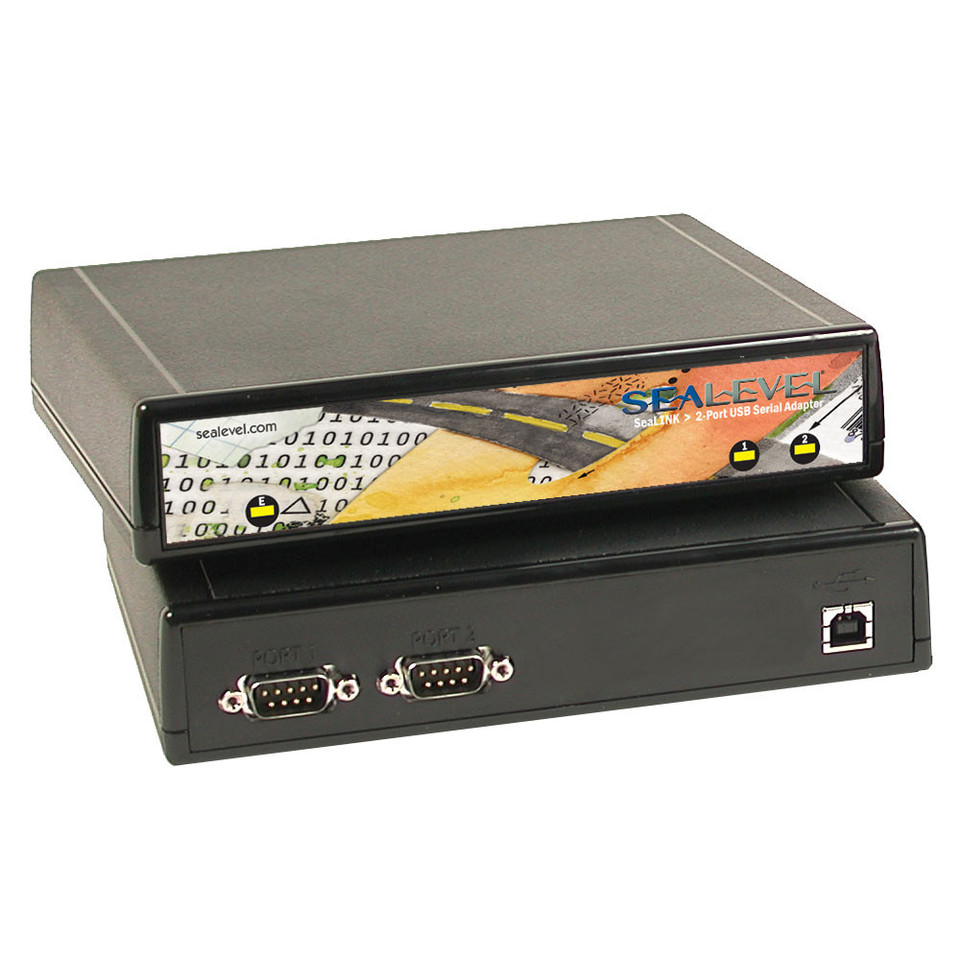
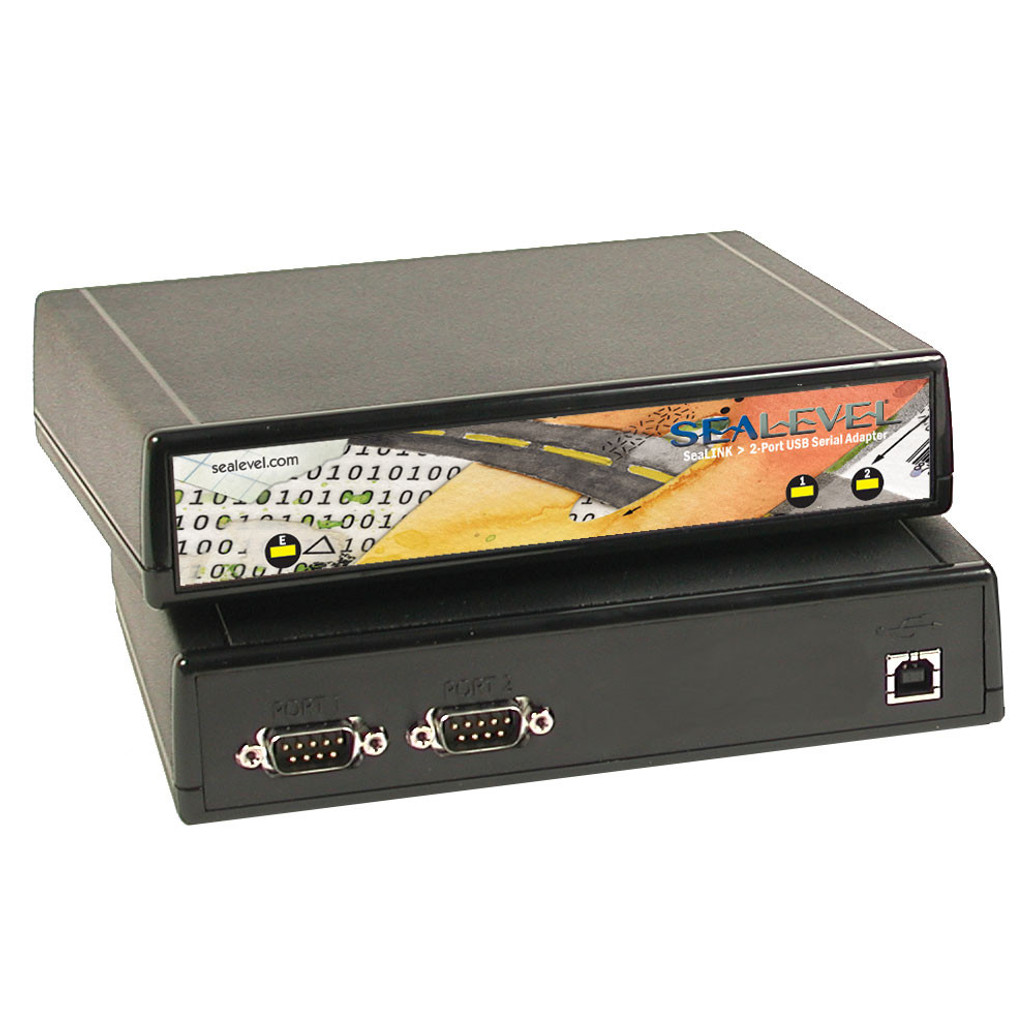
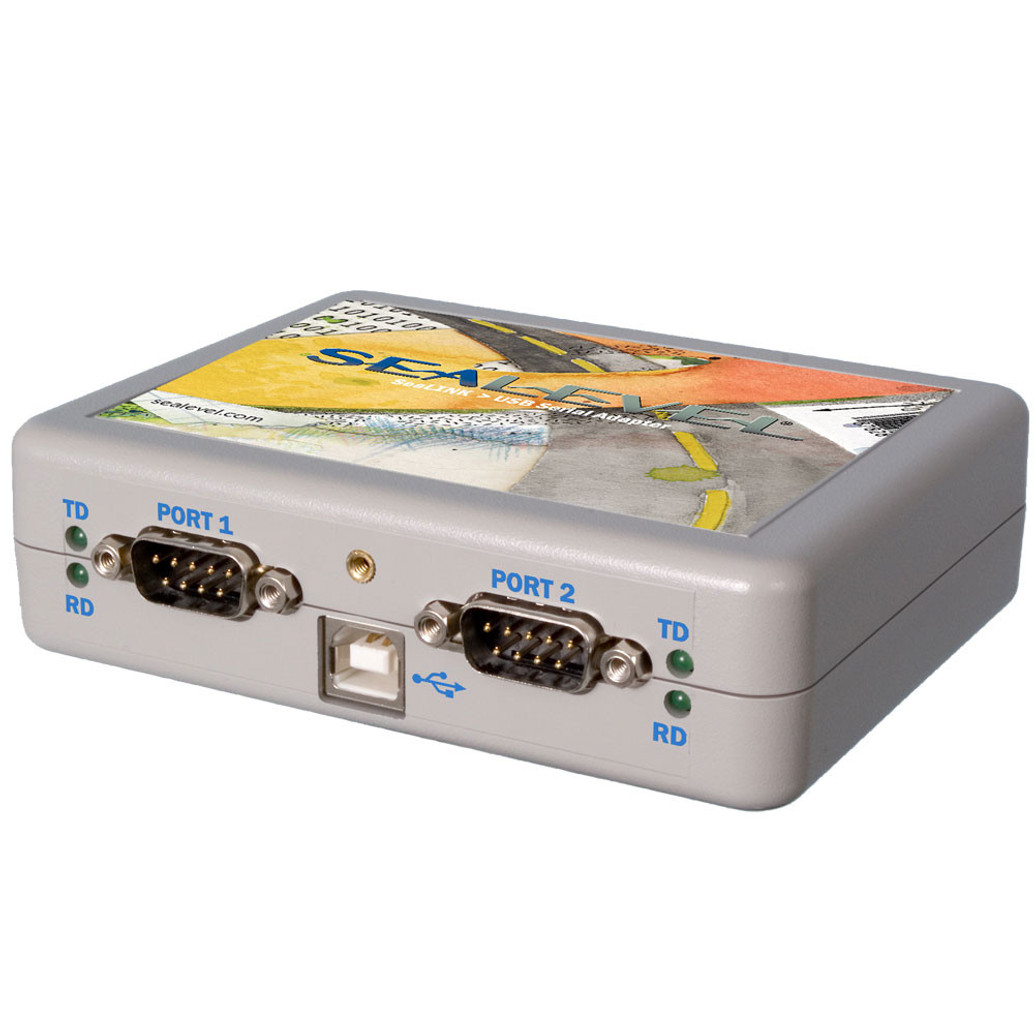
Multi-Port Adapters: Available in 2-port, 4-port, 8-port, and higher configurations, allowing a single USB port to control multiple serial devices, maximizing density and minimizing host PC complexity.
Exploring the Sealevel USB Serial Adapter Categories
Our catalogue features the specialized lines of Sealevel USB Serial Adapters, categorized by their port count, protocol support, and environmental ruggedness.
Single and Dual Port Industrial Adapters
These compact, high-reliability converters are ideal for dedicated connections and field diagnostics:
-
Rugged Design: Often housed in plastic or metal enclosures with locking USB connectors for secure attachment.
-
Easy Installation: Simple plug-and-play operation with reliable drivers for immediate use in field service applications.
-
Power over USB: Drawing all necessary power directly from the USB host, eliminating the need for an external power supply.
Multi-Port Hubs and Rack-Mount Solutions
Designed for permanent installations, control rooms, and automated test environments where high serial channel density is required:
-
Rack-Mount Solutions: Providing multiple serial ports in a standard 1U or 2U rack-mountable enclosure for centralized system control.
-
High Throughput: Designed to handle high-speed data transmission across all ports simultaneously without compromising reliability.
-
Flexible Protocol Mixing: Some units allow for mixing different protocols (e.g., RS-232 and RS-485) within the same enclosure for versatile system control.
Isolated and Extended Temperature Adapters
These specialized units are built for the most challenging electrical and environmental conditions:
-
Galvanic Isolation: Provides electrical separation between the USB interface and the serial port, crucial for eliminating ground loops and protecting against large voltage differences between the host and peripheral.
-
Wide Operating Temperature: Tested and certified for extended temperature ranges, making them suitable for use in factory floors, outdoor kiosks, and vehicle applications.
Integrated Features for Reliable Communication
Sealevel adapters incorporate features that ensure superior data transmission quality and simplify system integration.
-
Automatic Send Data Control (RS-485): Automatically manages the RS-485 transceiver direction, eliminating the need for complex software control and ensuring reliable half-duplex communication.
-
LED Status Indicators: Visible LEDs for Transmit (TX) and Receive (RX) activity provide immediate diagnostic feedback to technicians, speeding up troubleshooting.
-
RoHS and Compliance: Built to strict environmental and regulatory standards, ensuring suitability for global deployment and longevity.
Partner with Revinetech for Sealevel Connectivity
Selecting the ideal Sealevel USB Serial Adapter requires assessing the necessary protocol (RS-232/485), channel count, and the need for enhanced protection (isolation/surge suppression). Revinetech is your authorized source for the complete Sealevel connectivity portfolio. Our technical specialists are ready to assist you in matching the certified reliability, stable drivers, and robust features of the right Sealevel adapter to your specific industrial and embedded communication demands.
Ensure your data integrity with high-reliability serial connectivity. Browse our catalogue of Sealevel USB Serial Adapters today, compare the best multi-port and isolated solutions, and contact us for expert advice and a personalized quote.
Frequently Asked Questions (FAQs)
What is the main advantage of a Sealevel USB serial adapter over a generic model?
The main advantage is industrial reliability, stable drivers, and enhanced protection. Sealevel adapters feature robust hardware (often metal cases), superior surge and transient protection, and dedicated, long-term driver support for industrial operating systems, ensuring continuous, reliable operation where generic chips often fail.
Why is RS-485 protocol important for industrial use?
RS-485 is critical because it supports multi-drop communication (connecting multiple devices on a single cable) over long distances (up to 4,000 feet). It uses differential signaling, which provides excellent noise immunity, making it the standard choice for PLCs, sensors, and industrial networks.
What is galvanic isolation, and why is it needed in a serial adapter?
Galvanic isolation uses optical or magnetic barriers to electrically separate the host computer's USB port from the serial connection. This is necessary to prevent ground loops and protect against high-voltage surges or electrical faults on the industrial side from damaging the host PC.
How does a multi-port Sealevel adapter simplify system design?
A multi-port adapter simplifies system design by allowing a single USB port on the host computer to manage communication with multiple serial devices simultaneously. This reduces complexity, minimizes the number of drivers required, and consolidates serial management to one physical location.
What does "Automatic Send Data Control" do on an RS-485 adapter?
Automatic Send Data Control (Auto-Toggling) is a hardware feature that automatically switches the RS-485 transceiver chip between transmit and receive modes. This eliminates the need for the application software to manage this timing, simplifying programming and ensuring reliable, high-speed half-duplex communication.