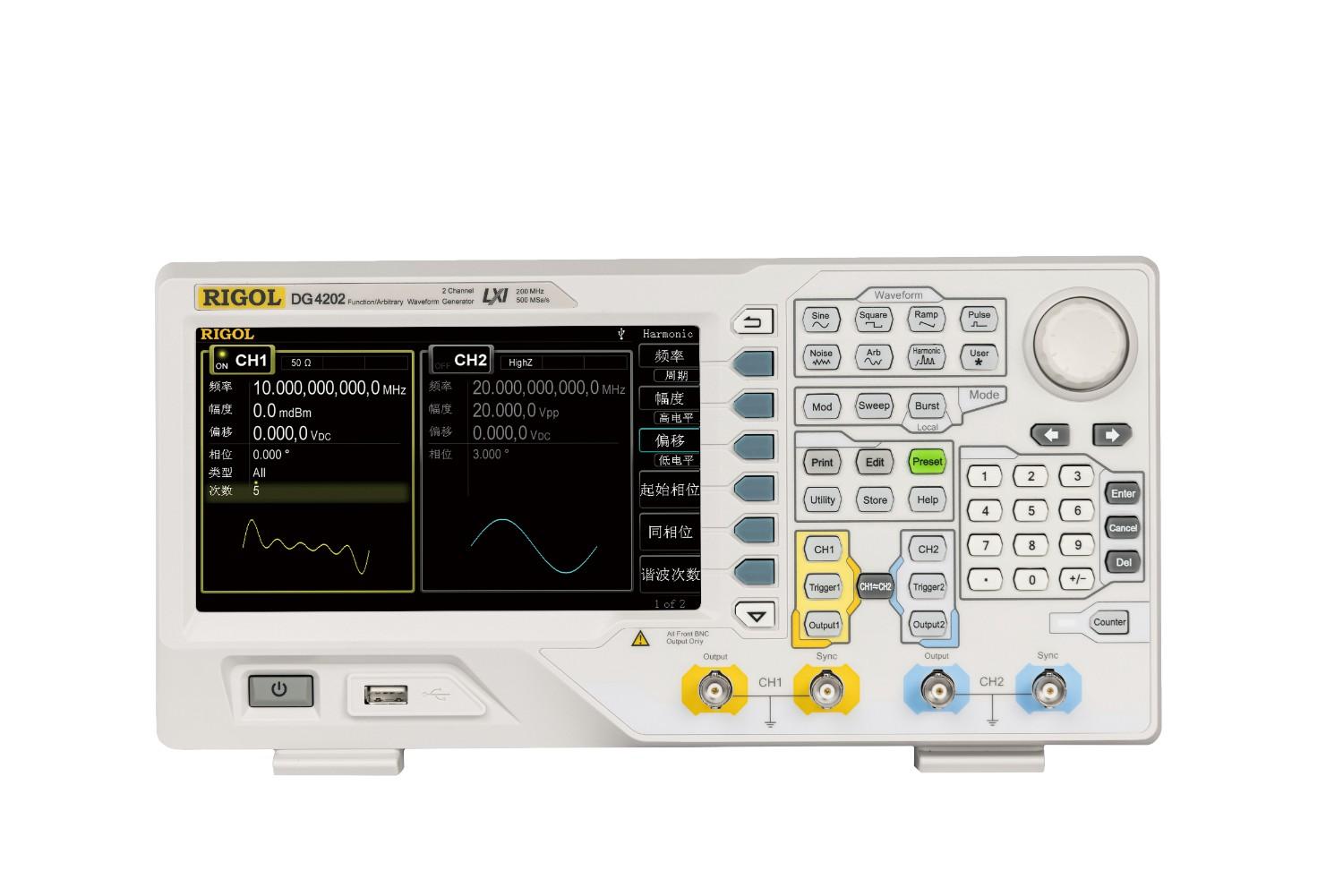
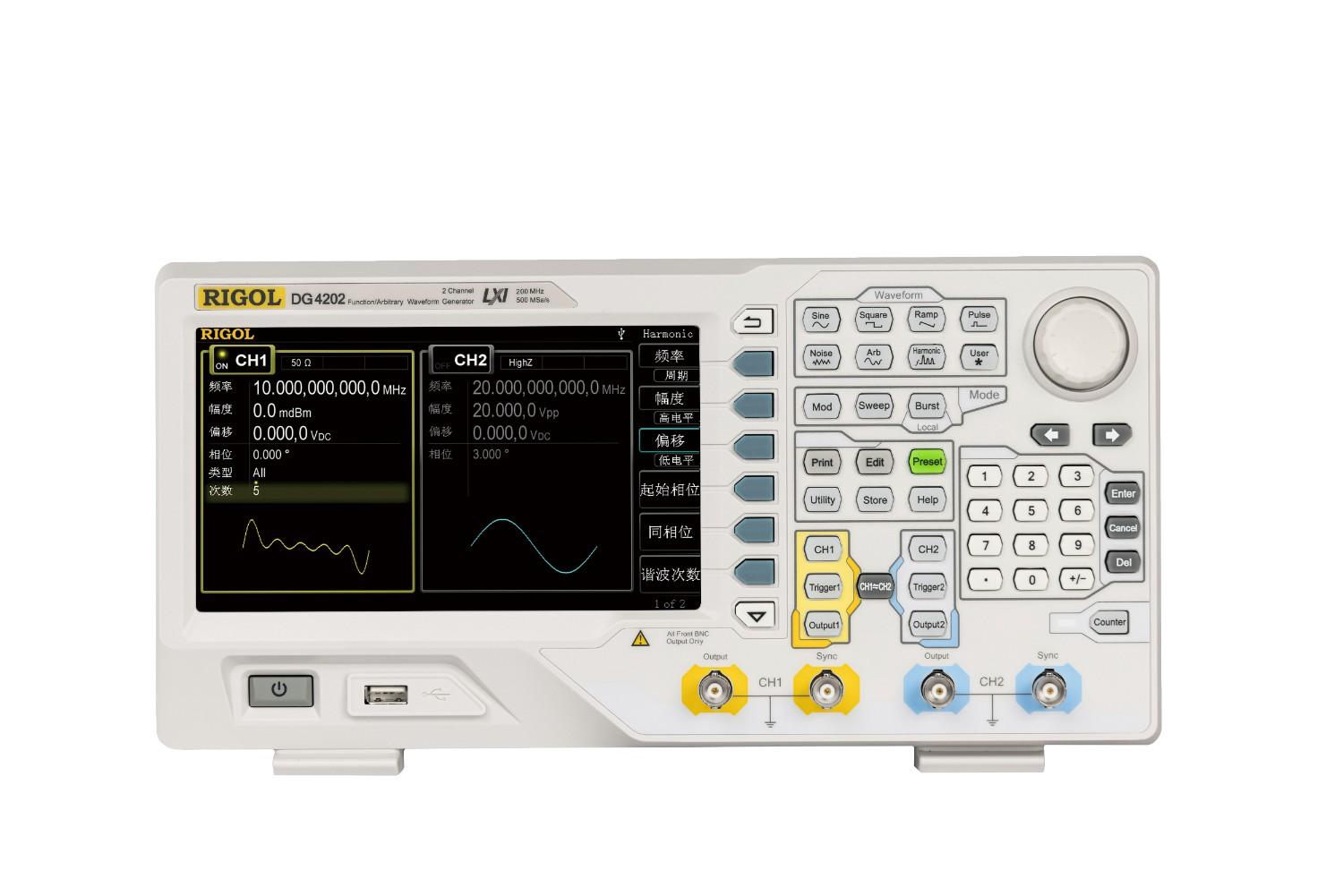
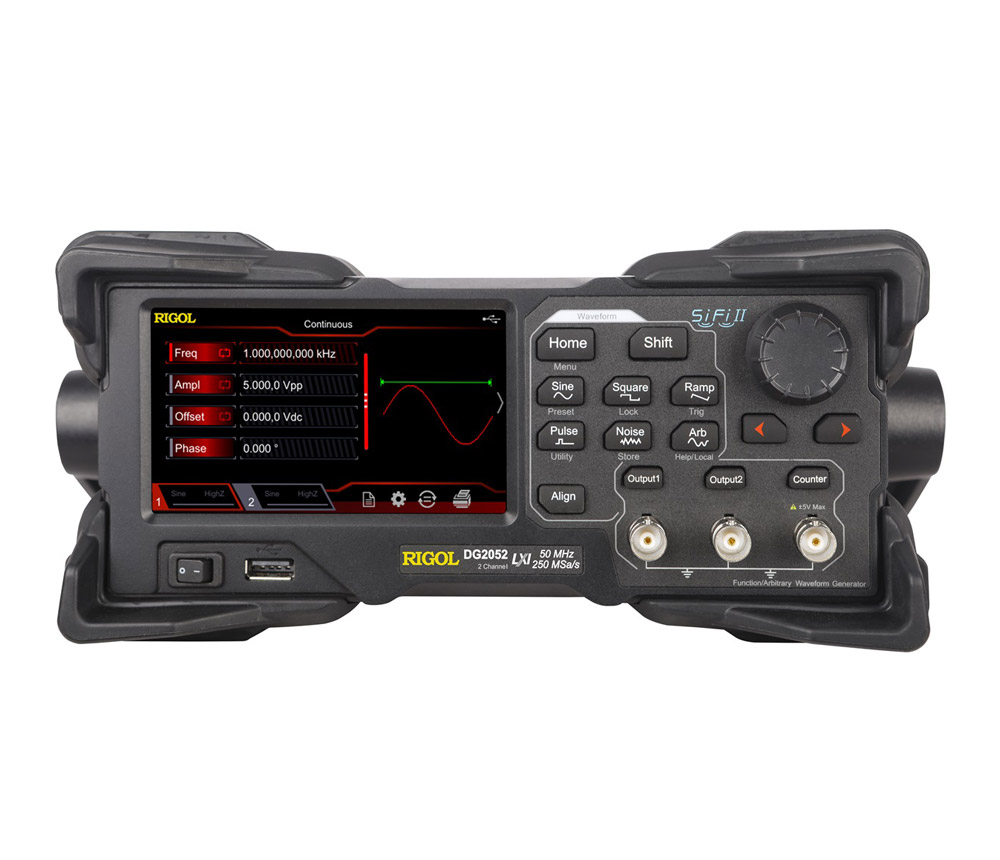
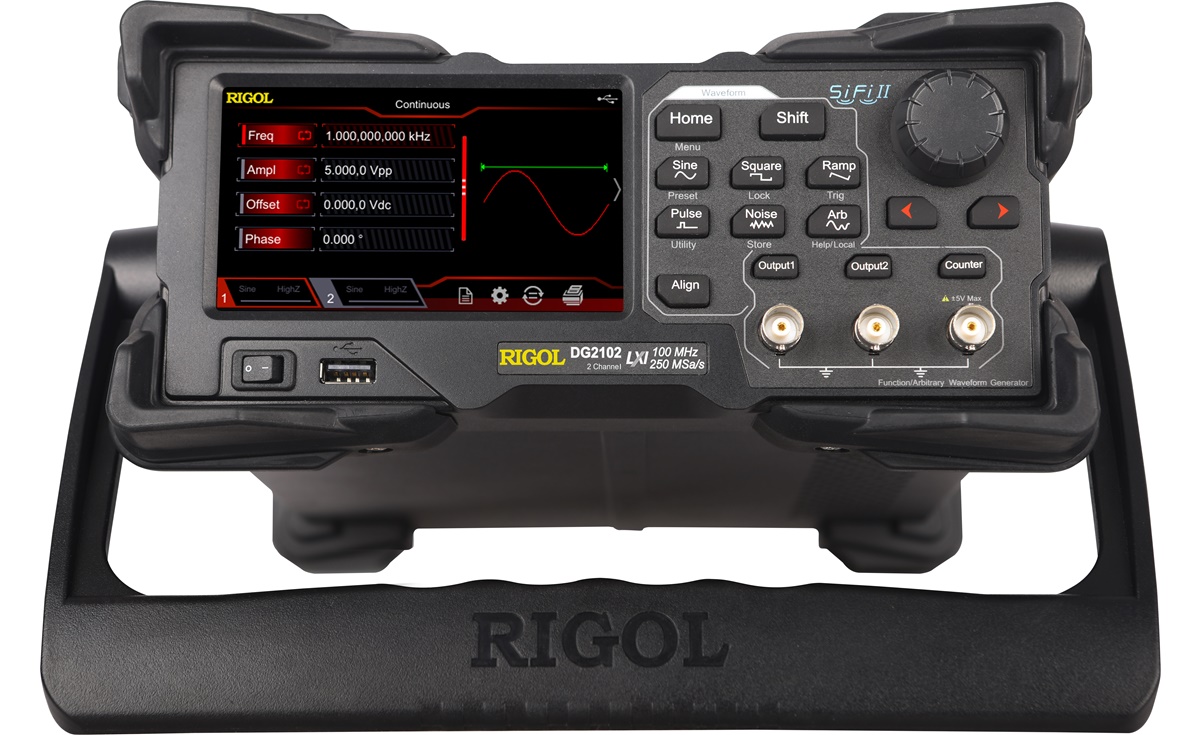
Waveform Generators: Precision Signal Creation for Testing and Development
Welcome to Revinetech's comprehensive category for Wavefor...
Waveform Generators: Precision Signal Creation for Testing and Development
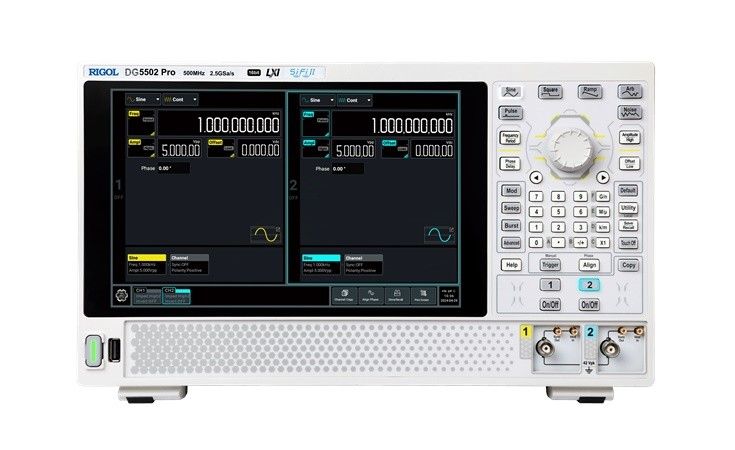
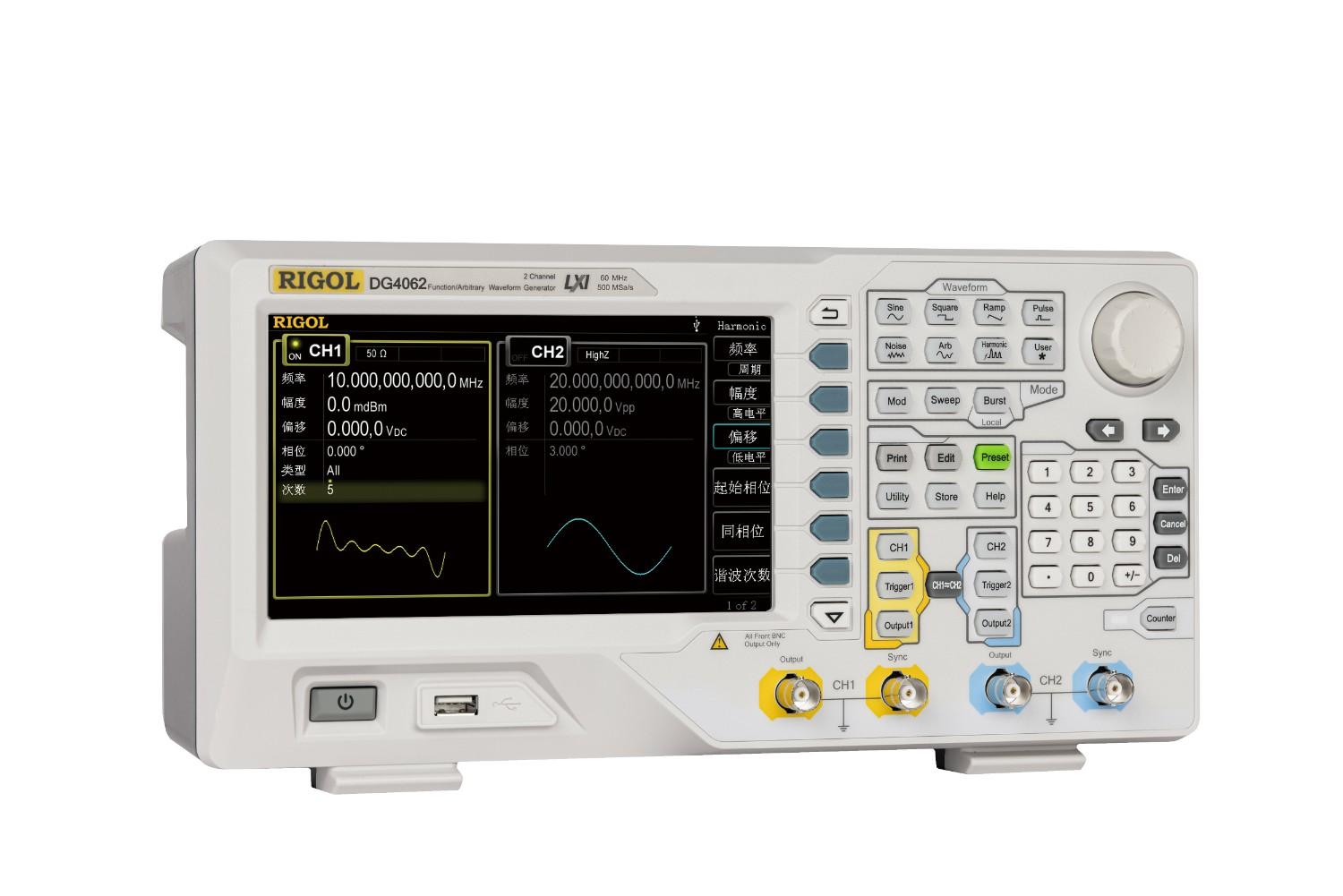
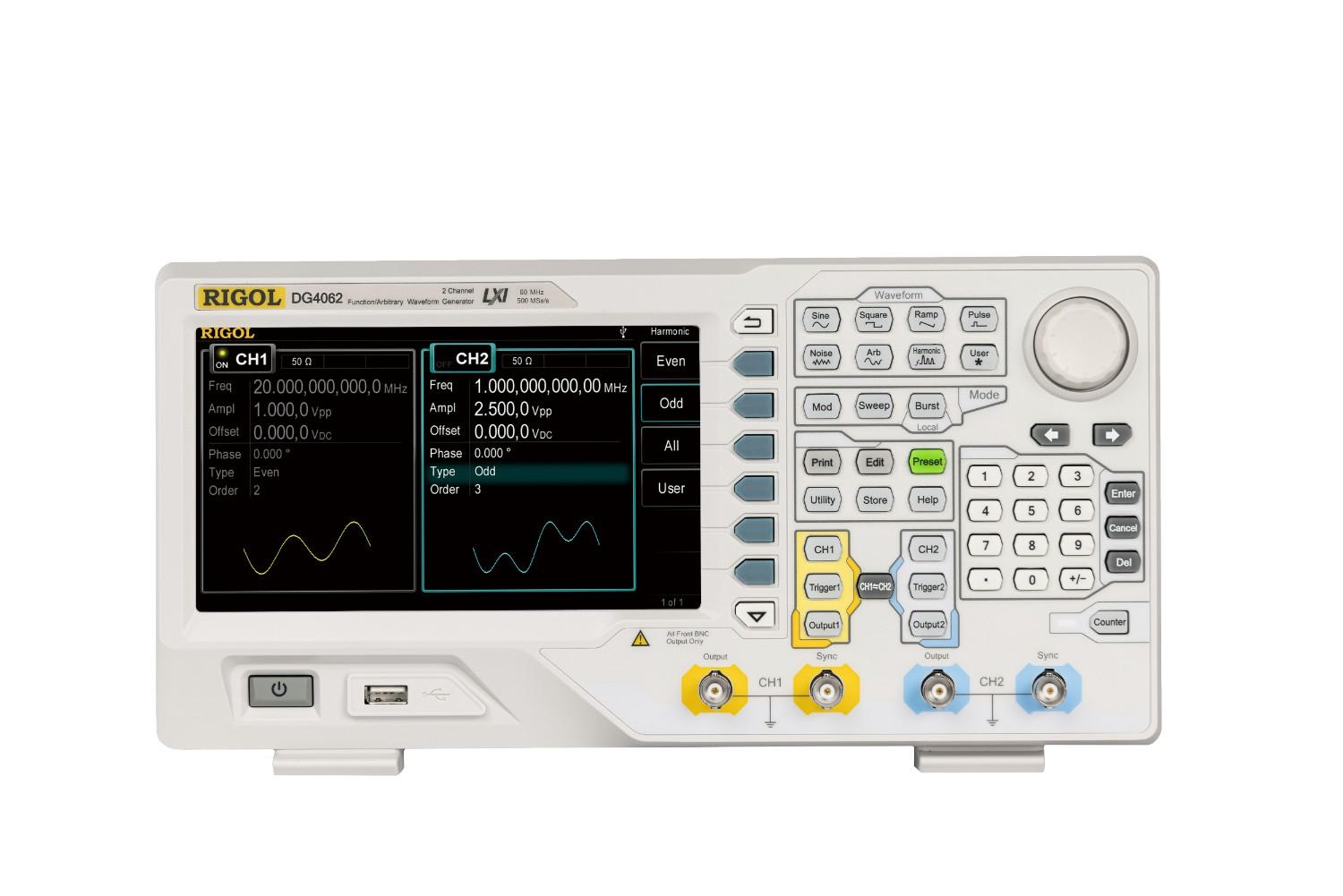
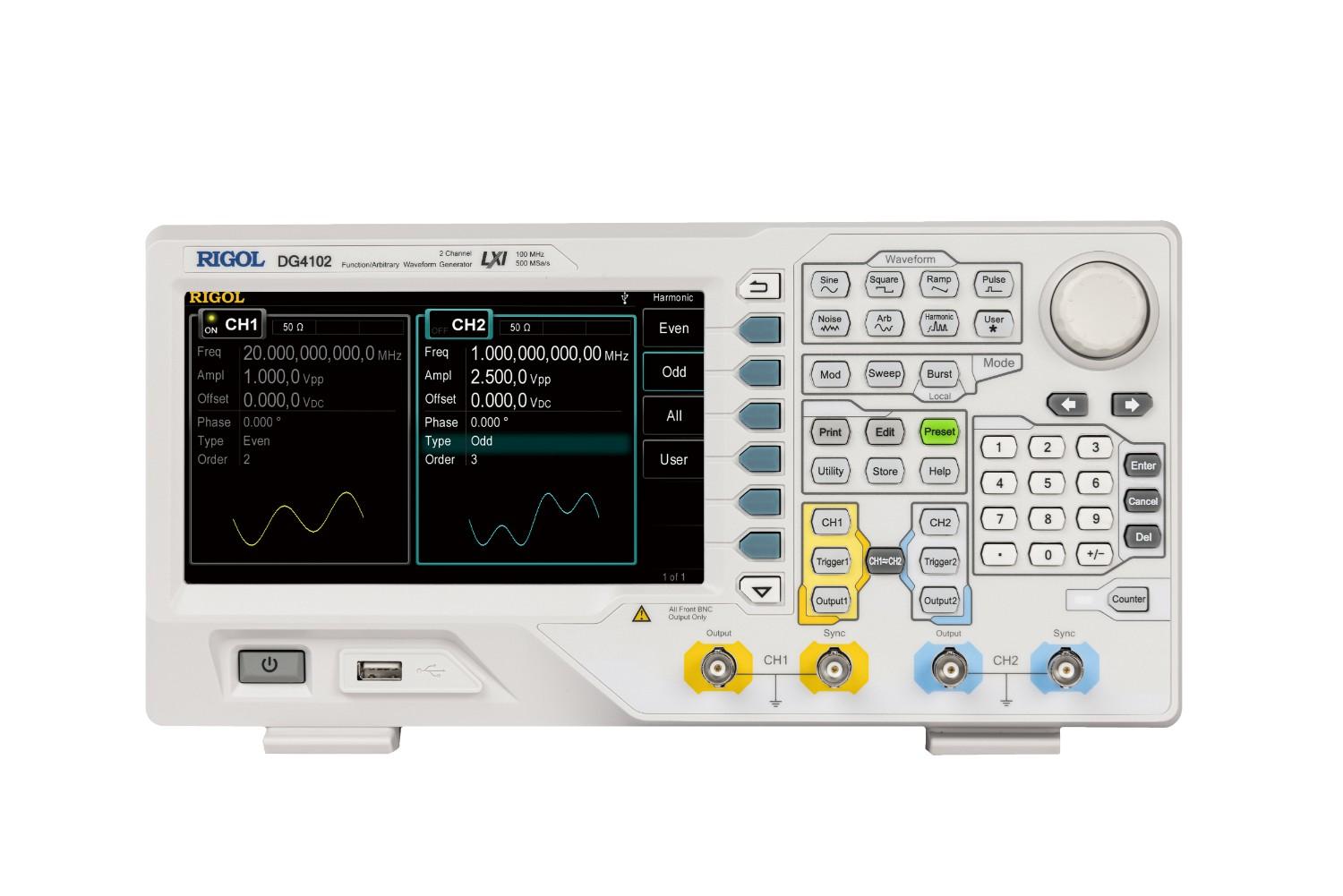
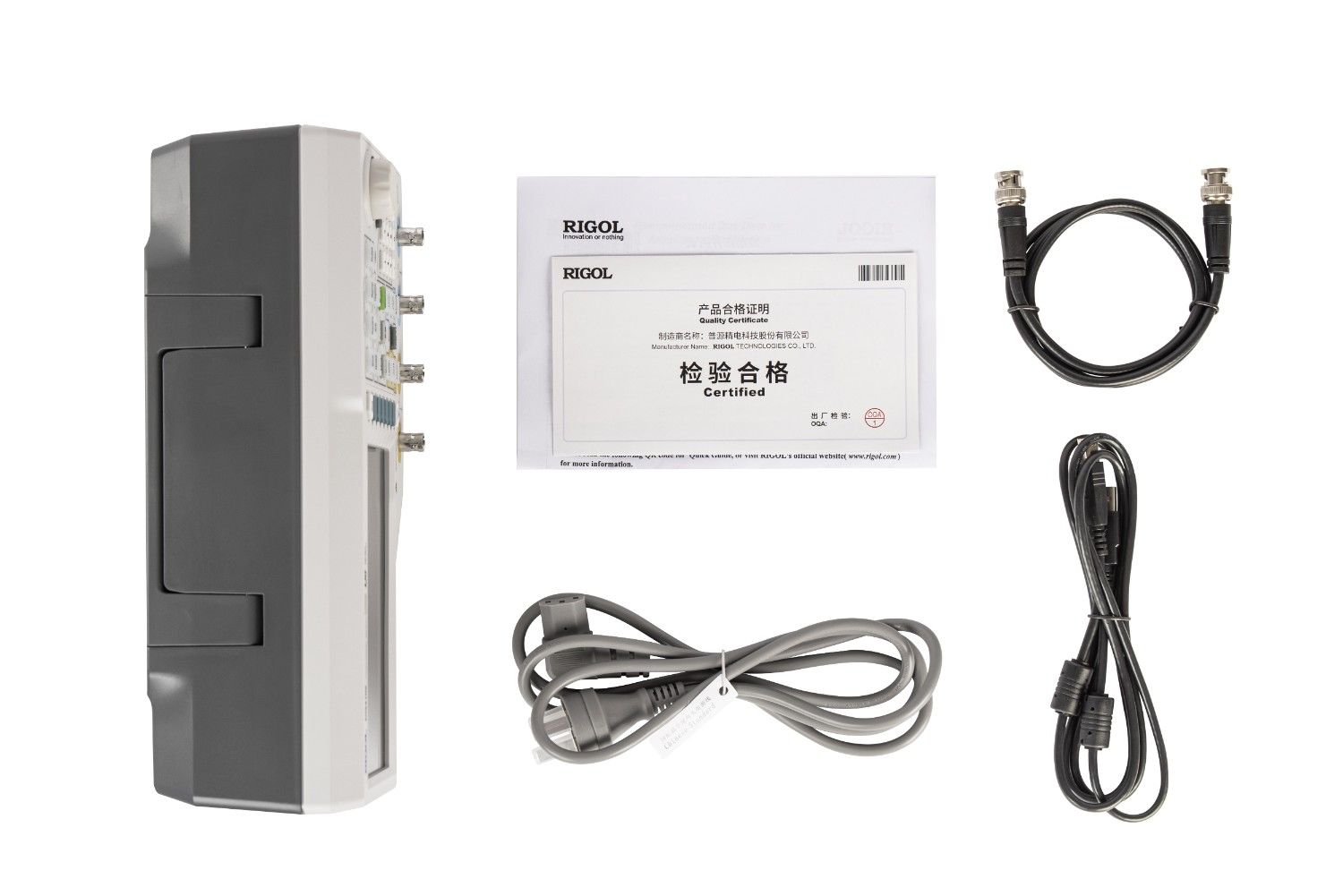
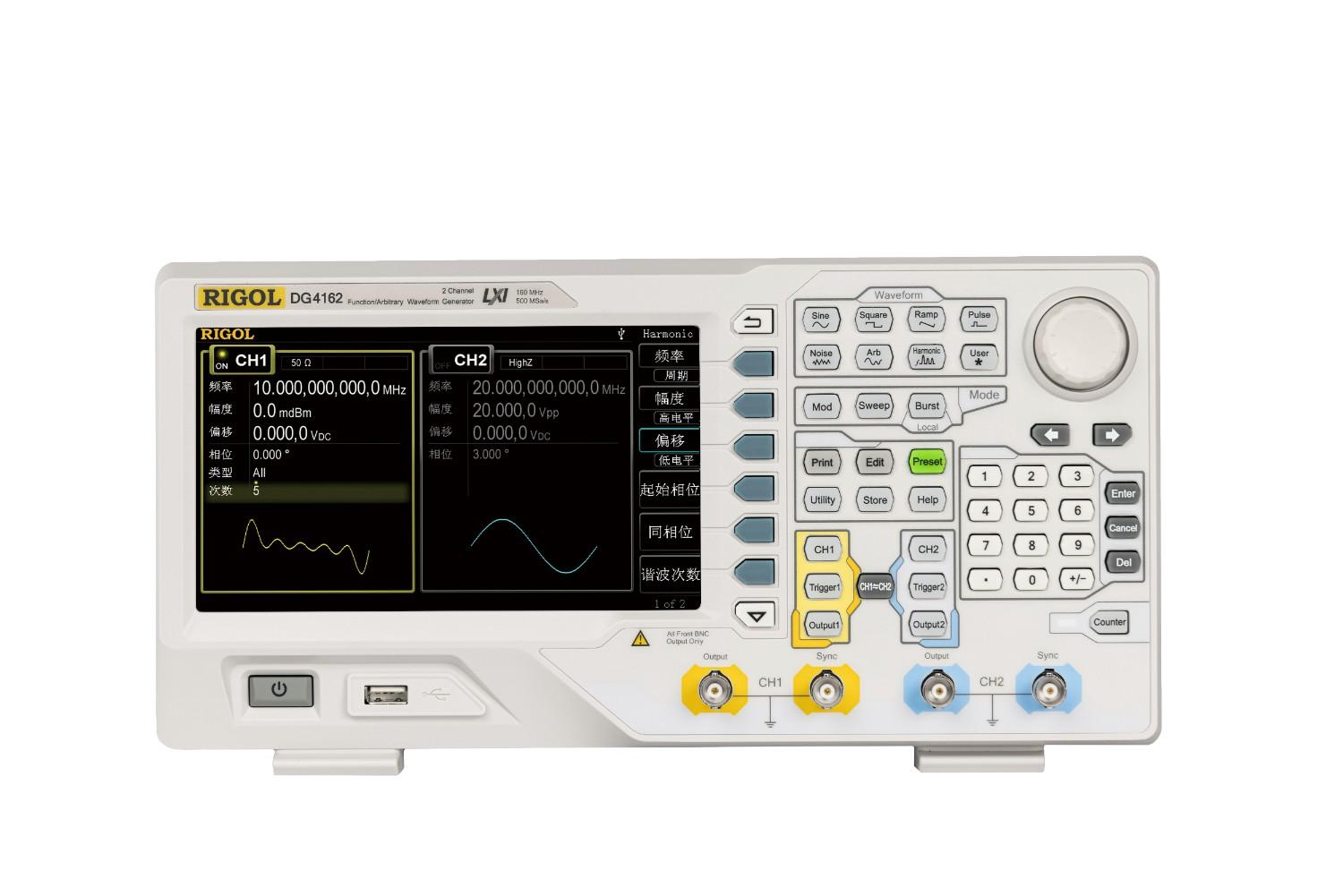
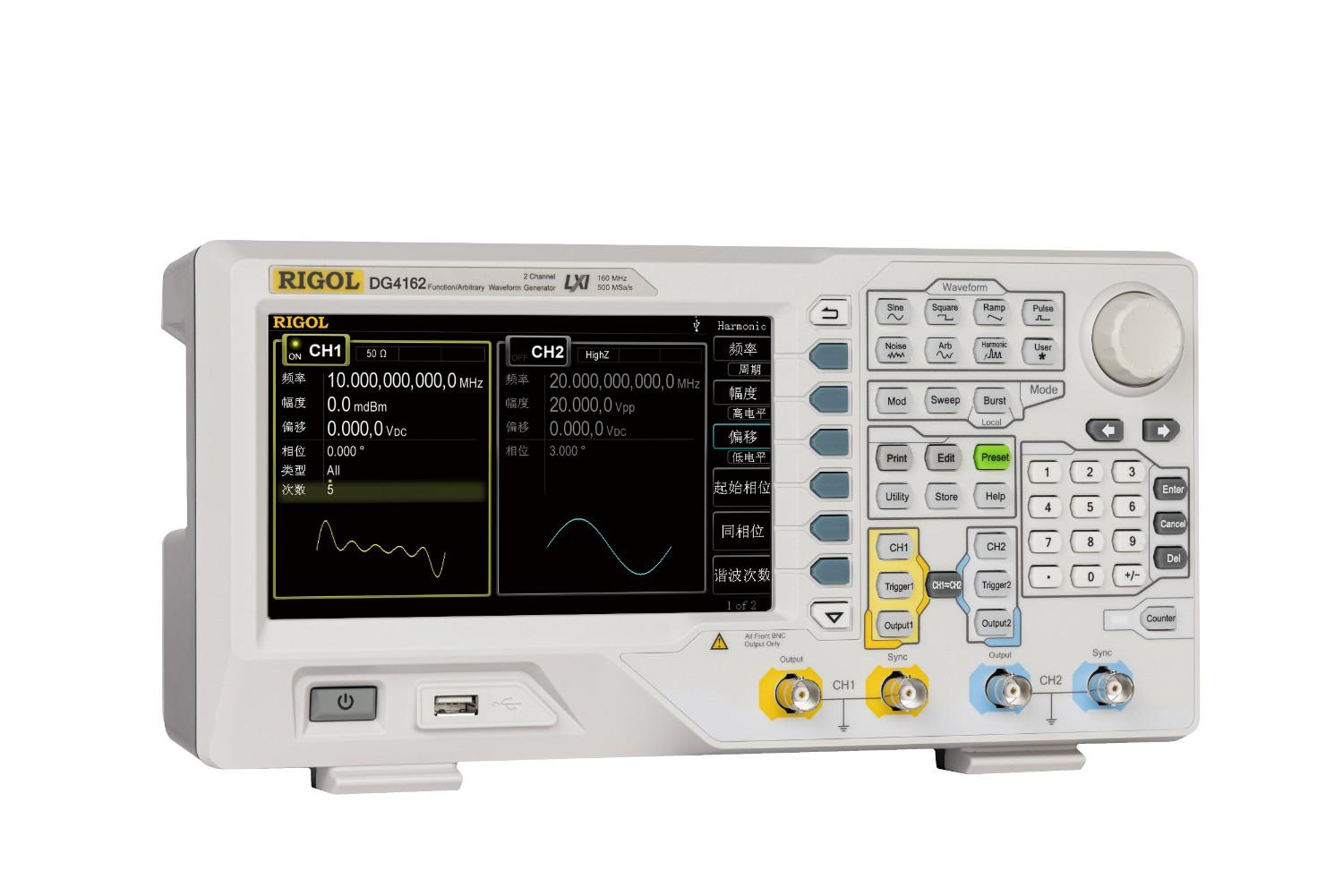
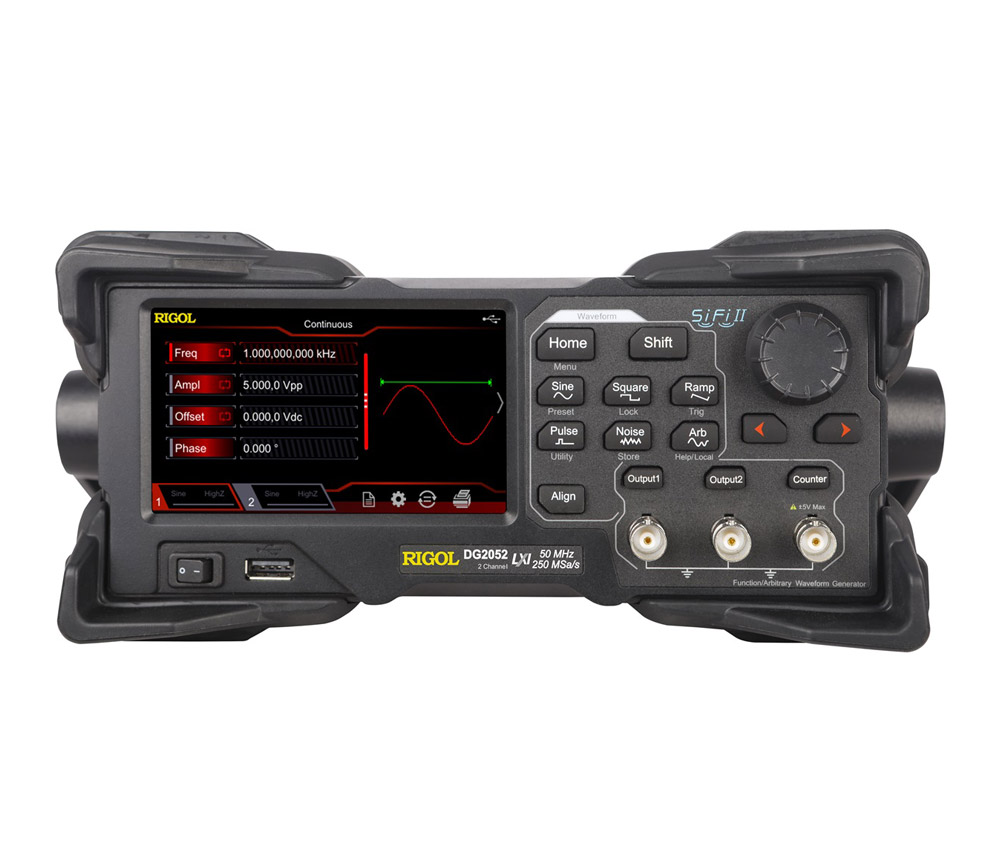
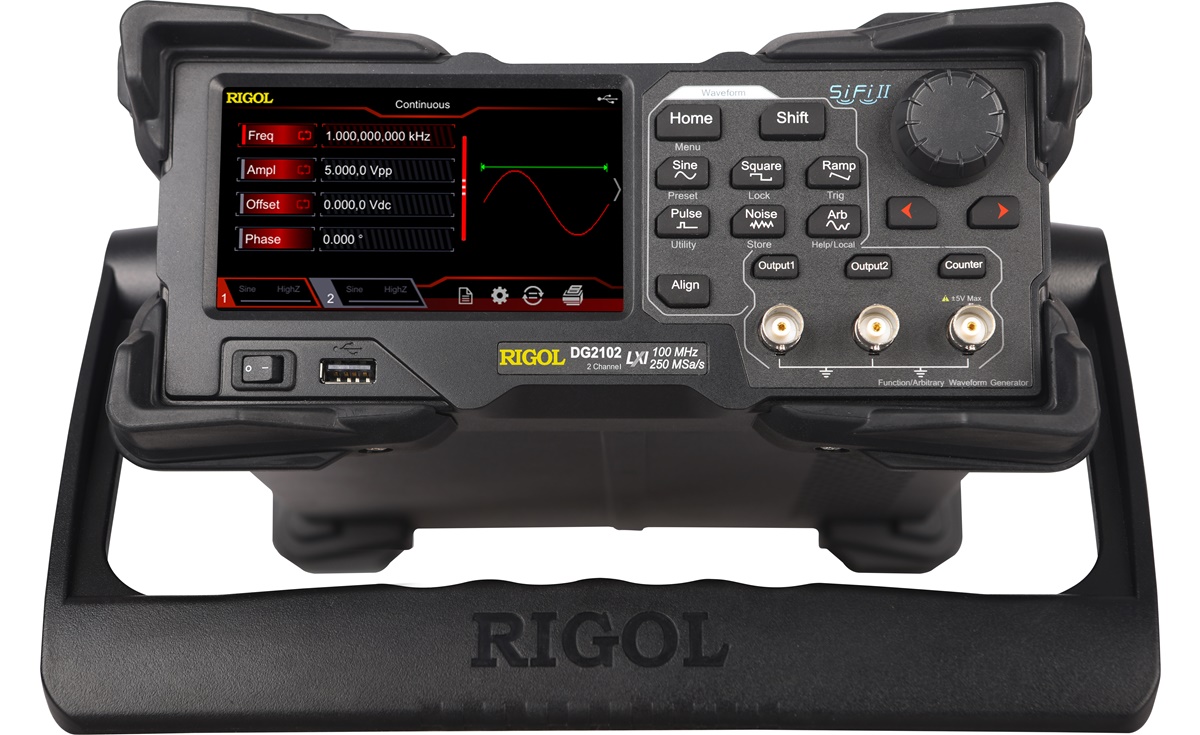
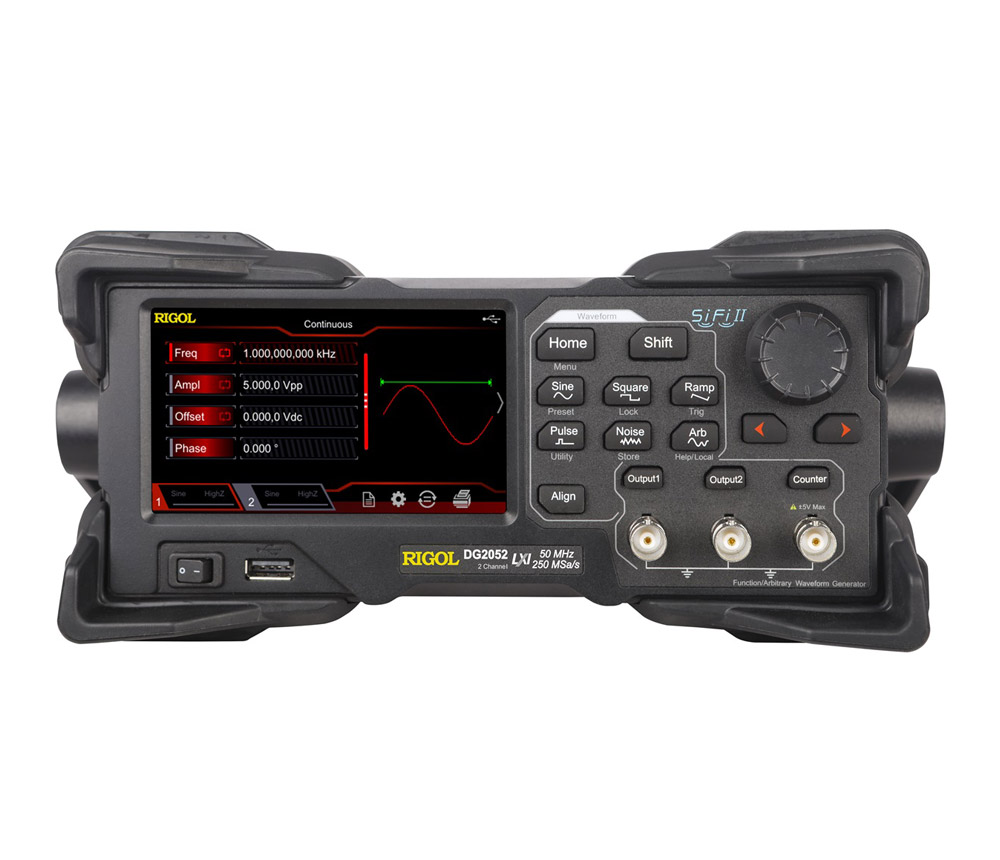
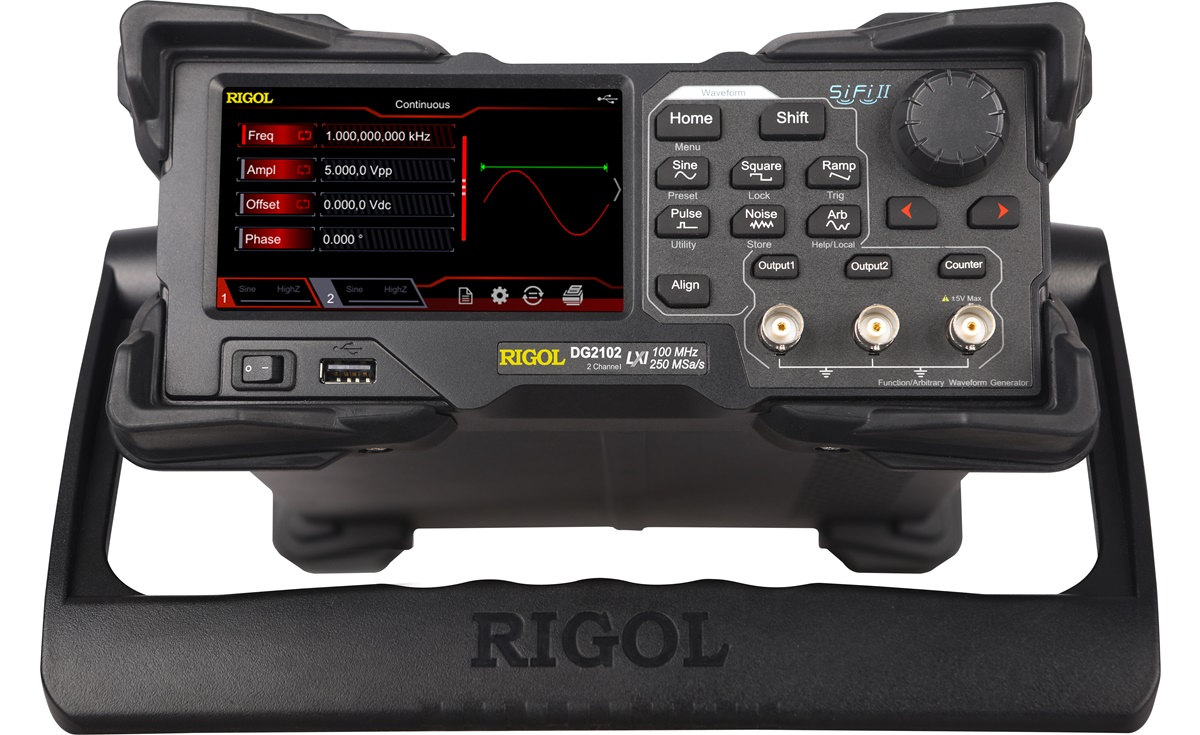
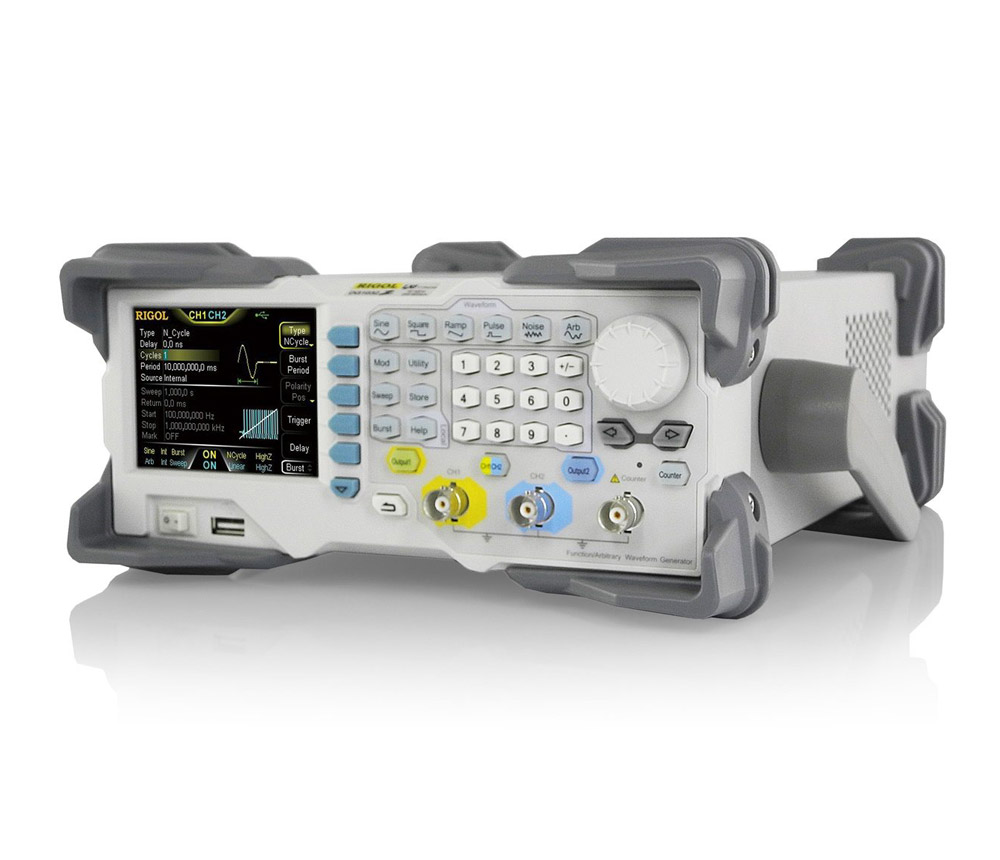
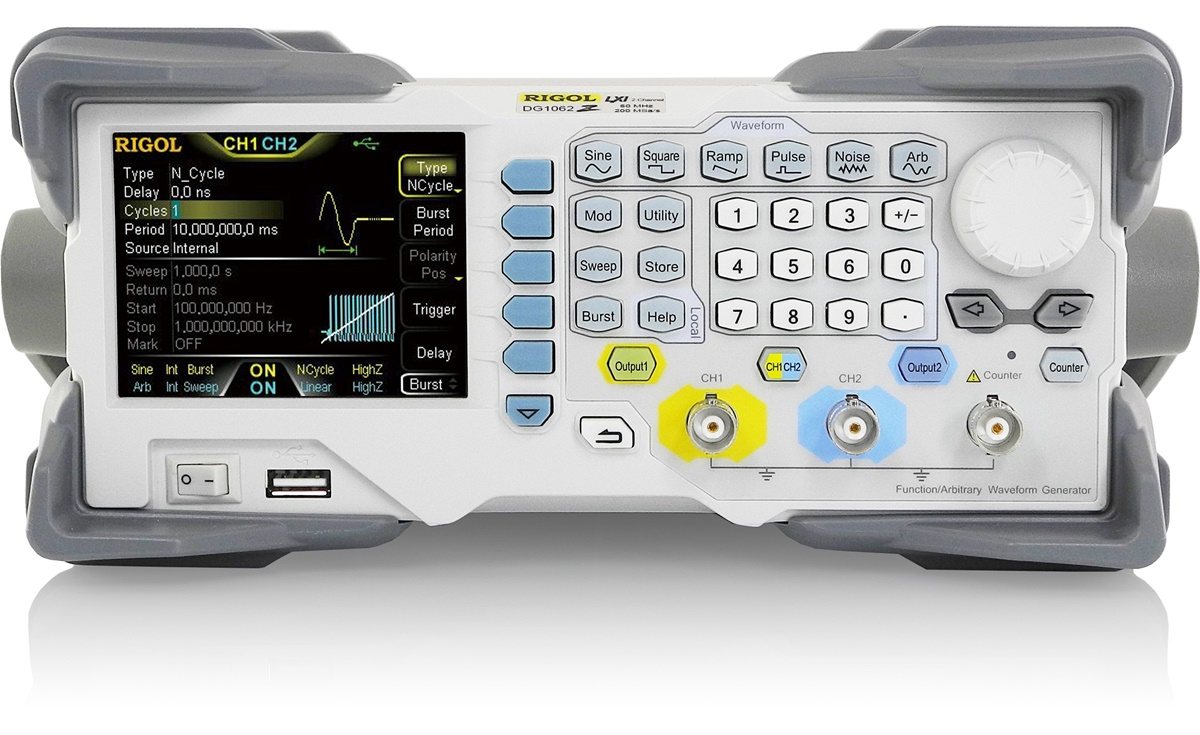
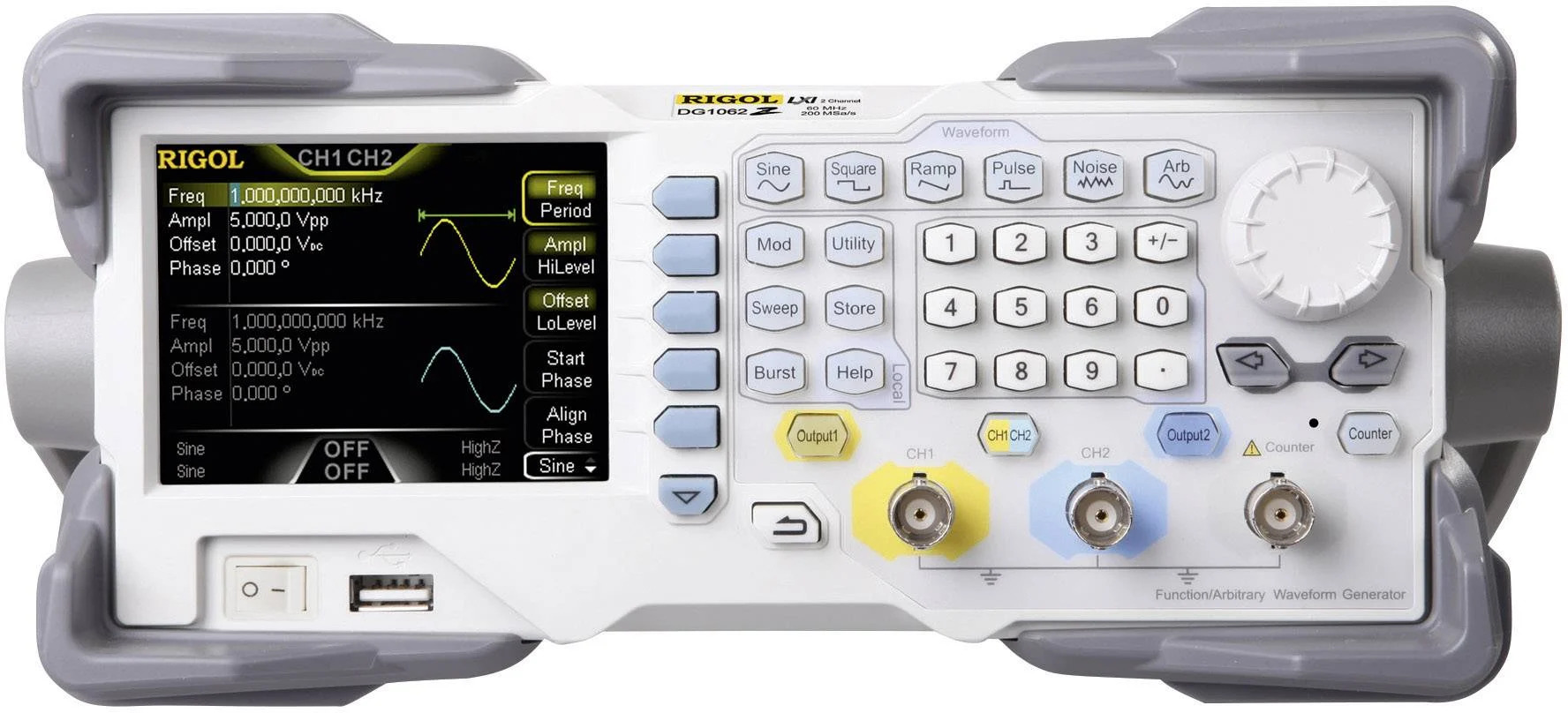
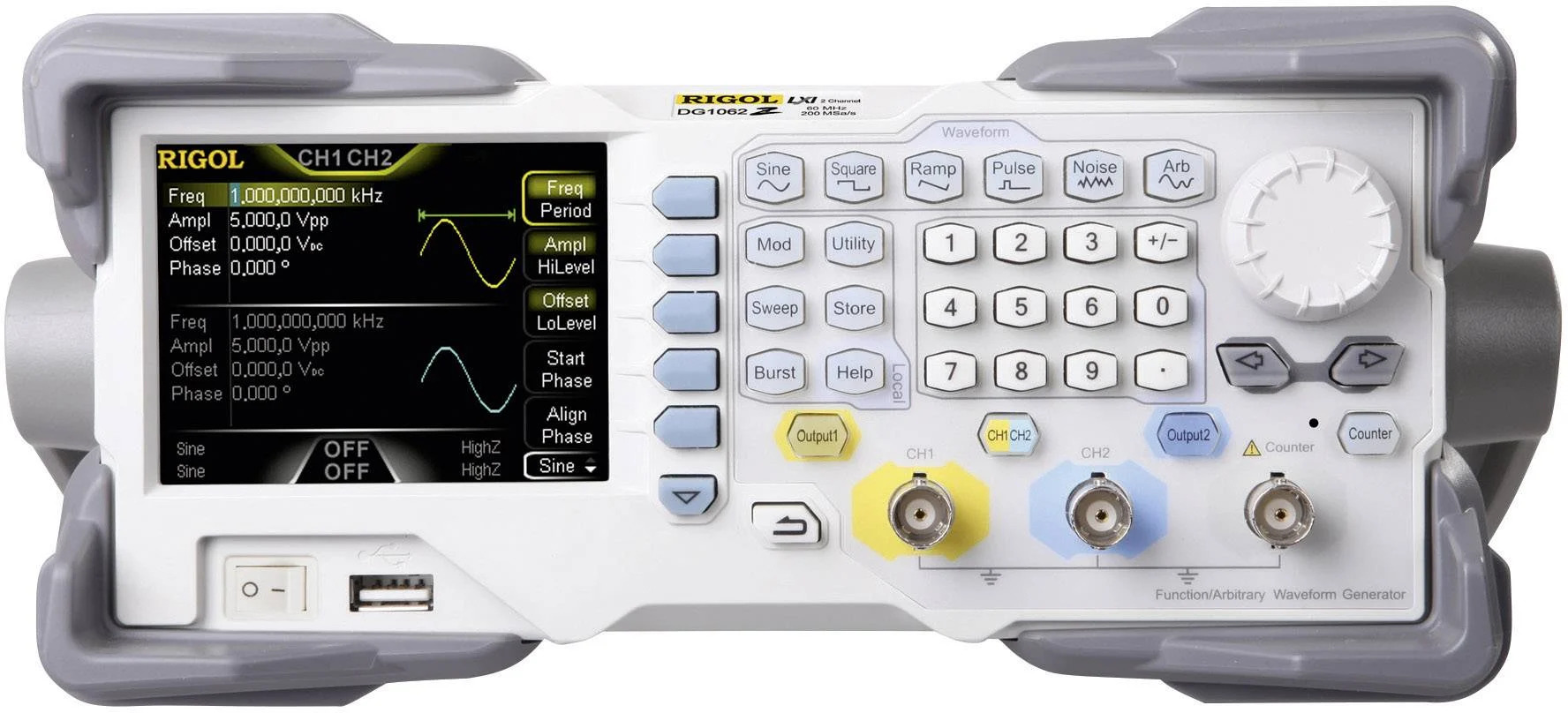
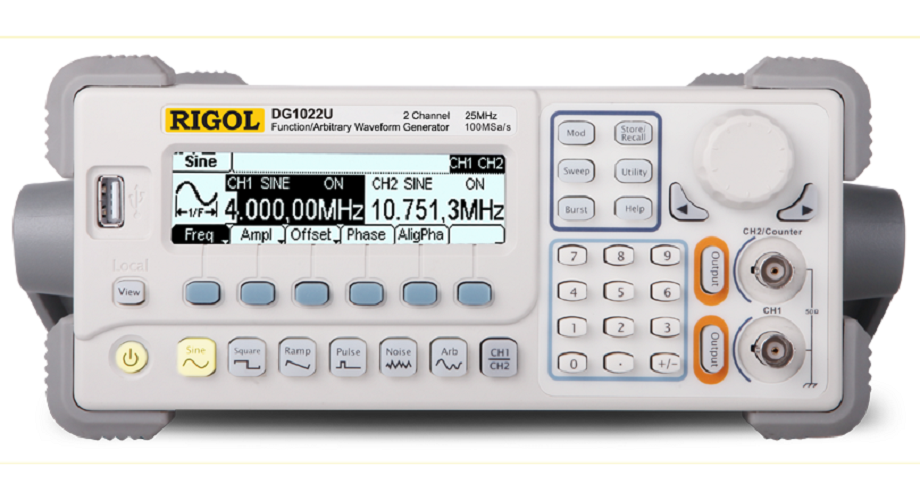
Welcome to Revinetech's comprehensive category for Waveform Generators. As the foundational tool for circuit testing, system validation, and functional verification, a high-quality waveform generator is indispensable in any modern electronics lab, R&D facility, or educational environment. Whether you need a standard sine wave for filter testing or a complex arbitrary waveform to simulate real-world sensor data, we offer a precision instrument to meet your exact needs.
You are here to find a reliable signal generator that offers superior frequency stability, low distortion, and the flexibility to create the signals necessary to prove your design integrity. Explore our selection of Function Generators and Arbitrary Waveform Generators (AWGs) from leading global manufacturers, featuring single and multi-channel outputs, high sample rates, and intuitive control interfaces. Trust Revinetech to equip your bench with the right tool for repeatable, accurate signal synthesis.
Why a High-Quality Waveform Generator is Essential
Waveform generators are not merely noise sources; they are precision instruments used to stimulate systems under controlled conditions. Choosing the right generator is crucial for effective device testing and avoiding signal integrity issues.
The Distinction Between Function and Arbitrary Generators
Understanding the differences between the types of generators helps ensure you select the correct instrument for your application:
-
Function Generators: These devices specialize in generating a set of basic, standard waveforms (sine, square, triangle, pulse, noise) with excellent fidelity and frequency stability. They are the ideal choice for general-purpose testing like characterizing amplifiers, checking filter response, and clock generation.
-
Arbitrary Waveform Generators (AWGs): AWGs provide the highest level of signal flexibility. They allow users to define and program custom waveforms point-by-point, simulating complex, non-standard, or real-world signals (e.g., medical, communication, environmental data). They are essential for advanced R&D, component stress testing, and complex modulation.
Key Technical Parameters that Define Performance
The effectiveness of a waveform generator is judged by several critical specifications:
-
Frequency Range and Stability: Defines the range of frequencies the instrument can produce and how consistently it maintains that frequency over time and temperature. High stability is crucial for frequency-sensitive tests.
-
Amplitude Resolution: Determines the precision with which the output voltage level can be set and controlled, vital for accurate sensor simulation and low-voltage circuit testing.
-
Sample Rate (for AWGs): The speed at which the AWG can process waveform points, directly impacting the bandwidth and fidelity of the complex signals it can create. A higher sample rate yields a more accurate and higher-frequency arbitrary waveform.
-
Vertical Resolution (for AWGs): Measures the number of bits used to define the amplitude of each point in the arbitrary waveform, affecting the dynamic range and signal-to-noise ratio.
Explore Our Waveform Generator Categories
Our selection is organized to help you quickly identify generators with the feature sets most relevant to your applications, from education to advanced aerospace testing.
Function Generators for General Purpose Testing
These reliable, cost-effective generators are the backbone of any introductory lab. They offer robust performance across the standard waveform set, featuring:
-
Dual-channel outputs for multi-signal testing (e.g., phase shifting or differential input).
-
Built-in modulation schemes (AM, FM, PM, FSK, PWM) for communications testing.
-
Intuitive front-panel controls and simple connectivity (USB, LAN).
High-Performance Arbitrary Waveform Generators (AWGs)
When signal complexity is paramount, AWGs deliver the necessary precision and flexibility. These instruments are designed for sophisticated applications, including:
-
Simulation of complex digital modulation and RF intermediate frequency (IF) signals.
-
Creation of transient signals, glitches, and corrupted data patterns for stress testing.
-
Deep memory for generating extremely long, complex sequences of waveform data.
-
Advanced sequencing and triggering modes for synchronizing signal output with external events.
Pulse Generators for Timing and Digital Applications
A specialized subset of generators, Pulse Generators focus on creating high-quality, high-speed square and pulse waveforms. These are essential for digital circuit clocking, timing measurements, and verifying semiconductor switching characteristics. Key features include:
-
Ultra-fast rise and fall times, crucial for signal integrity in high-speed digital circuits.
-
Fine control over pulse width, duty cycle, and delay for precision timing analysis.
-
Low jitter output to ensure timing stability in demanding applications.
Features to Look for in Modern Signal Generators
Modern waveform generators go beyond simple signal creation, offering powerful integrated analysis and debugging features:
-
Signal Creation Software: Many generators come bundled with PC software that simplifies the drawing, editing, and uploading of custom arbitrary waveforms.
-
Harnessing Harmonics: Features like harmonic generation or noise addition allow engineers to precisely simulate non-ideal real-world environments.
-
Connectivity Standards: Full support for LXI, USB, and GPIB standards ensures seamless integration into automated test environments (ATE) and remote laboratory control systems.
-
Display and Interface: Large, high-resolution touchscreens on the latest models enhance user experience, allowing for visual feedback and easy waveform parameter adjustment.
Partner with Revinetech for Signal Creation Excellence
At Revinetech, we understand that signal accuracy is paramount. We offer expertly curated waveform generators from trusted brands, backed by our commitment to technical support and reliable service. Our team can assist you in comparing sample rates, vertical resolution, and software capabilities to ensure you acquire the perfect waveform generator for your unique testing challenges.
Start generating the signals you need for reliable testing and rapid development. Browse our catalogue, compare the latest models, and request a quote to upgrade your lab's signal synthesis capabilities today.
Frequently Asked Questions (FAQs)
What is the difference between a Function Generator and a Signal Generator?
The term Signal Generator is an overarching term that includes Function Generators, Arbitrary Waveform Generators, and RF Generators. A Function Generator specifically refers to a generator that produces a few standard, fundamental waveforms (sine, square, etc.).
What is an arbitrary waveform?
An arbitrary waveform is any user-defined waveform that is not one of the standard functions. It is created by defining a sequence of voltage points that the generator then outputs. This is used to simulate complex or proprietary signals often found in real-world applications like telecommunications or automotive sensors.
Is a higher sample rate always better for an AWG?
Generally, yes. A higher sample rate allows an Arbitrary Waveform Generator to recreate a custom waveform with greater fidelity (fewer steps and closer resemblance to the theoretical ideal) and generate higher frequency components with better signal integrity.
What is "burst mode" on a waveform generator?
Burst mode allows the generator to output a specific, finite number of cycles (or pulses) of a waveform in response to a trigger event (which can be manual, internal, or external). This is essential for testing systems that only operate during short, defined intervals.
Can these generators be automated?
Yes. All modern waveform generators sold by Revinetech support industry-standard communication protocols (typically LAN/LXI or USB) which allow for remote programming and control. This makes them fully compatible with automated test systems using programming languages like SCPI.